Cuisine
Filipino recipes
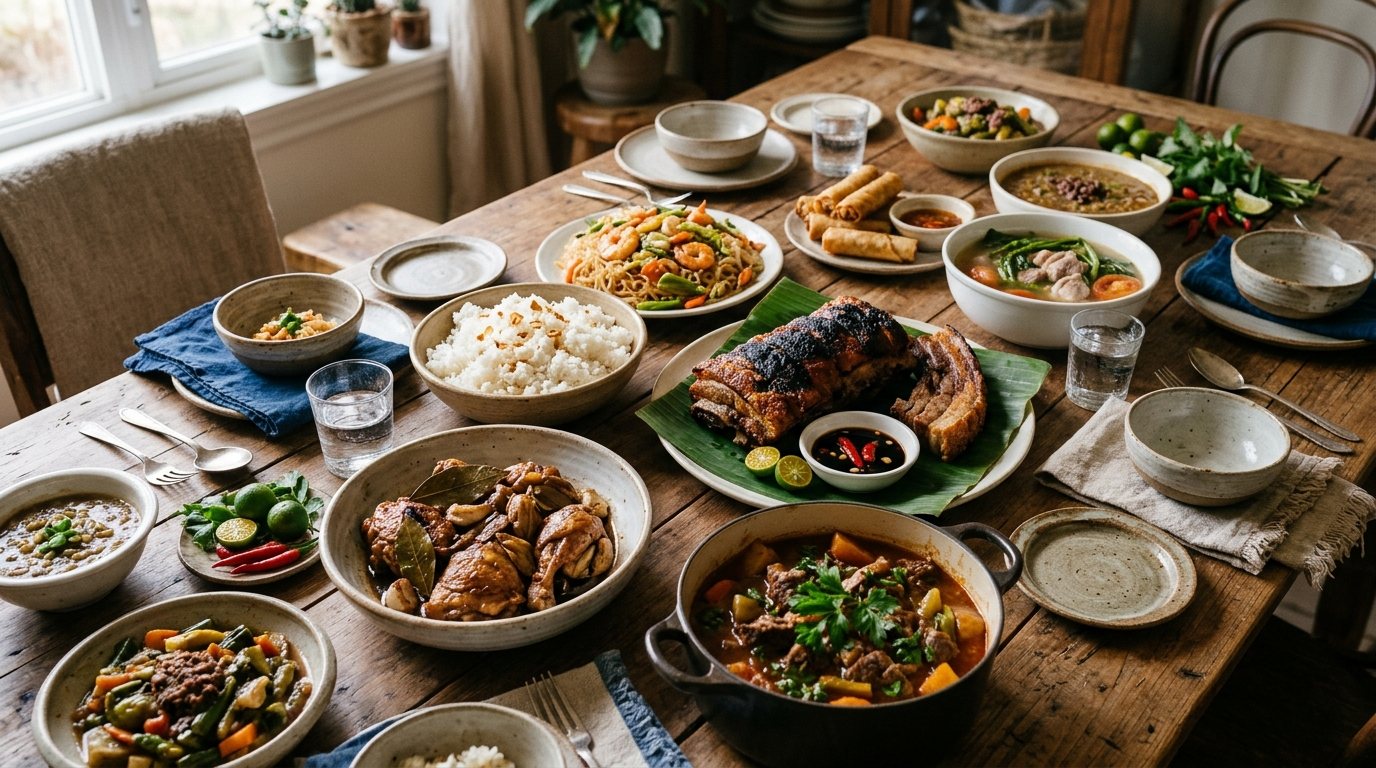
Filipino recipes bring the vibrant flavours of the Philippines to your table, with dishes that balance sweet, salty and tangy notes in ways that feel both comforting and exciting. Families reach for these recipes during Sunday gatherings, festive celebrations and whenever they want to recreate the taste of home, from tender mechado simmering in tomato sauce to crispy lumpia passed around the table. Every recipe here comes from real family kitchens where these dishes have been lovingly prepared across generations, each one carrying its own story and special touches that make it uniquely theirs.
1 recipe preserved by Recipe Filer cooks. Free to read, free to share.
Filipino cooking questions
What are the essential ingredients for Filipino cooking?
Key Filipino pantry staples include soy sauce, vinegar (preferably cane or palm), fish sauce (patis), calamansi or lime juice, garlic, and bay leaves. Tinned tomatoes, coconut milk, and annatto seeds for colour are also frequently used. These ingredients form the foundation of most traditional Filipino dishes.
Can I freeze cooked Filipino dishes like adobo or mechado?
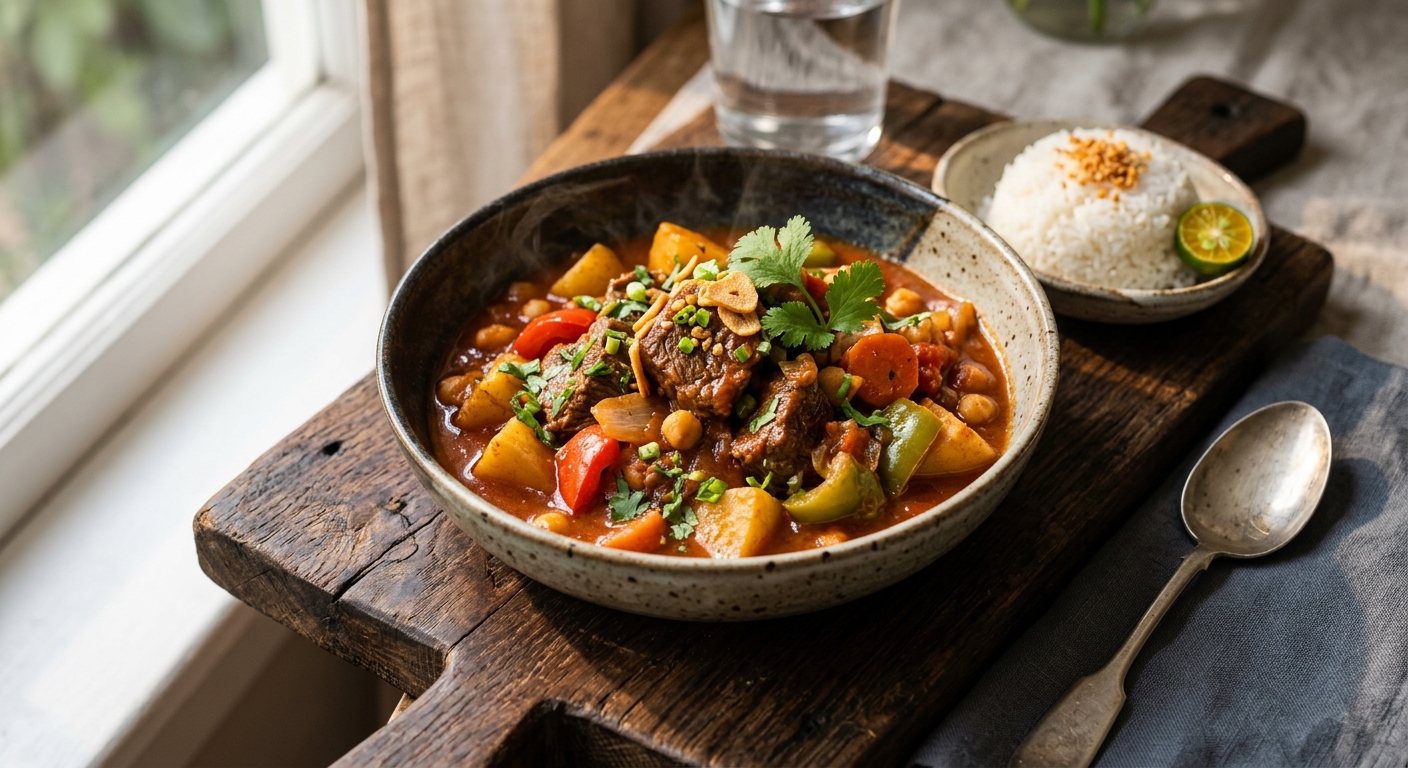
Yes, most Filipino braised dishes freeze excellently for up to three months. Cool completely before transferring to airtight containers, leaving space for expansion. Stews often taste even better after freezing as flavours deepen. Defrost overnight in the fridge and reheat thoroughly before serving.
What makes Filipino cuisine different from other Southeast Asian food?
Filipino cuisine blends Malay, Spanish, Chinese, and American influences, creating unique flavour profiles. It features prominent sourness from vinegar and tamarind, rich braising techniques like adobo, and distinctive combinations of sweet and savoury. The Spanish colonial influence adds stews and tomato-based dishes uncommon elsewhere.