Cuisine
Turkish recipes
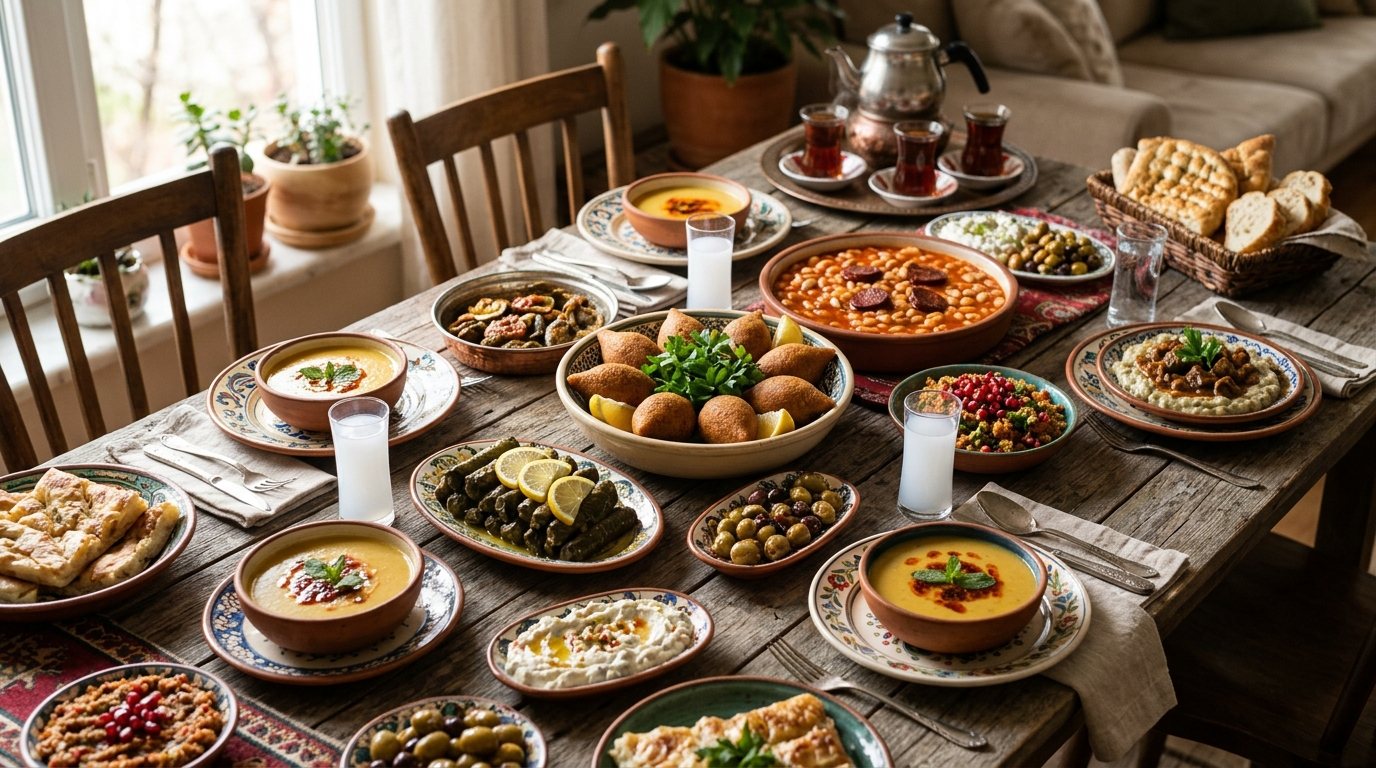
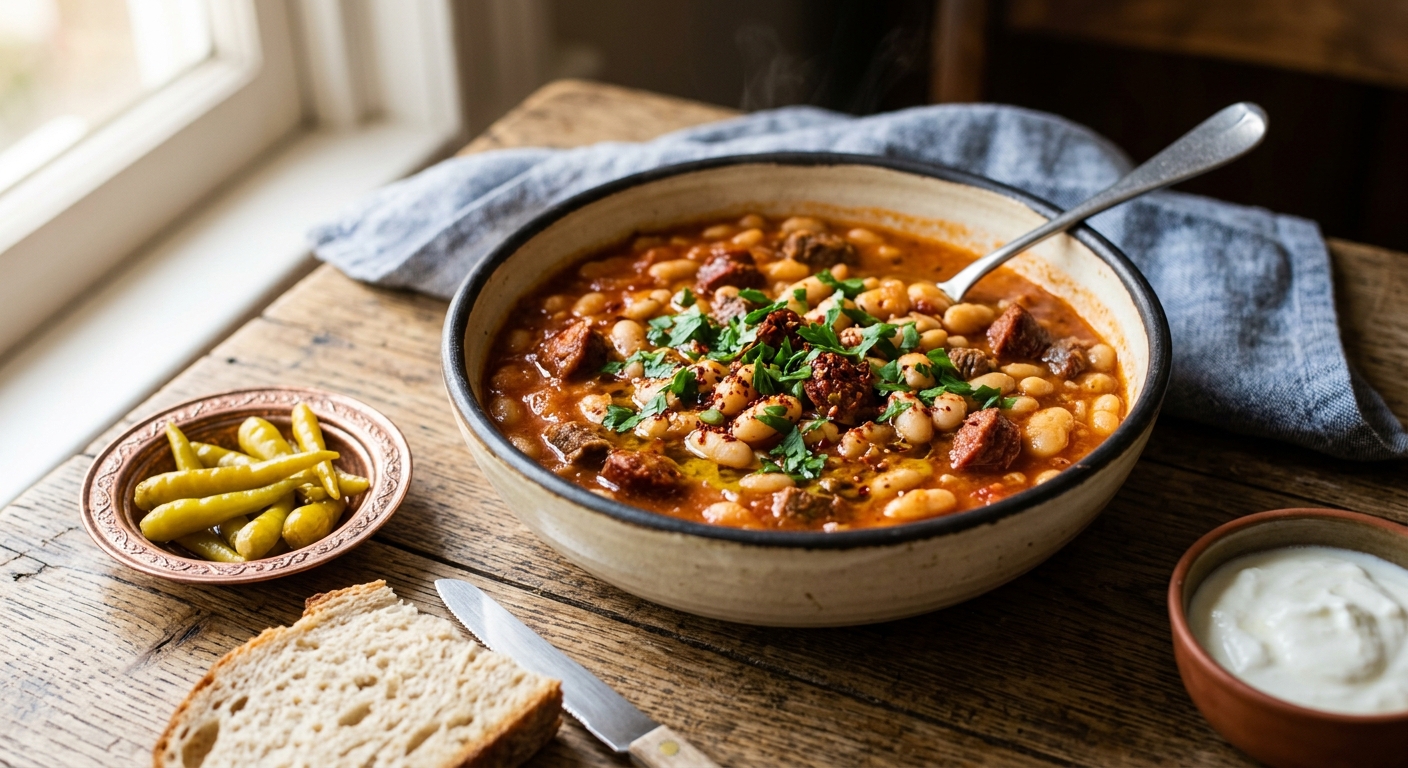
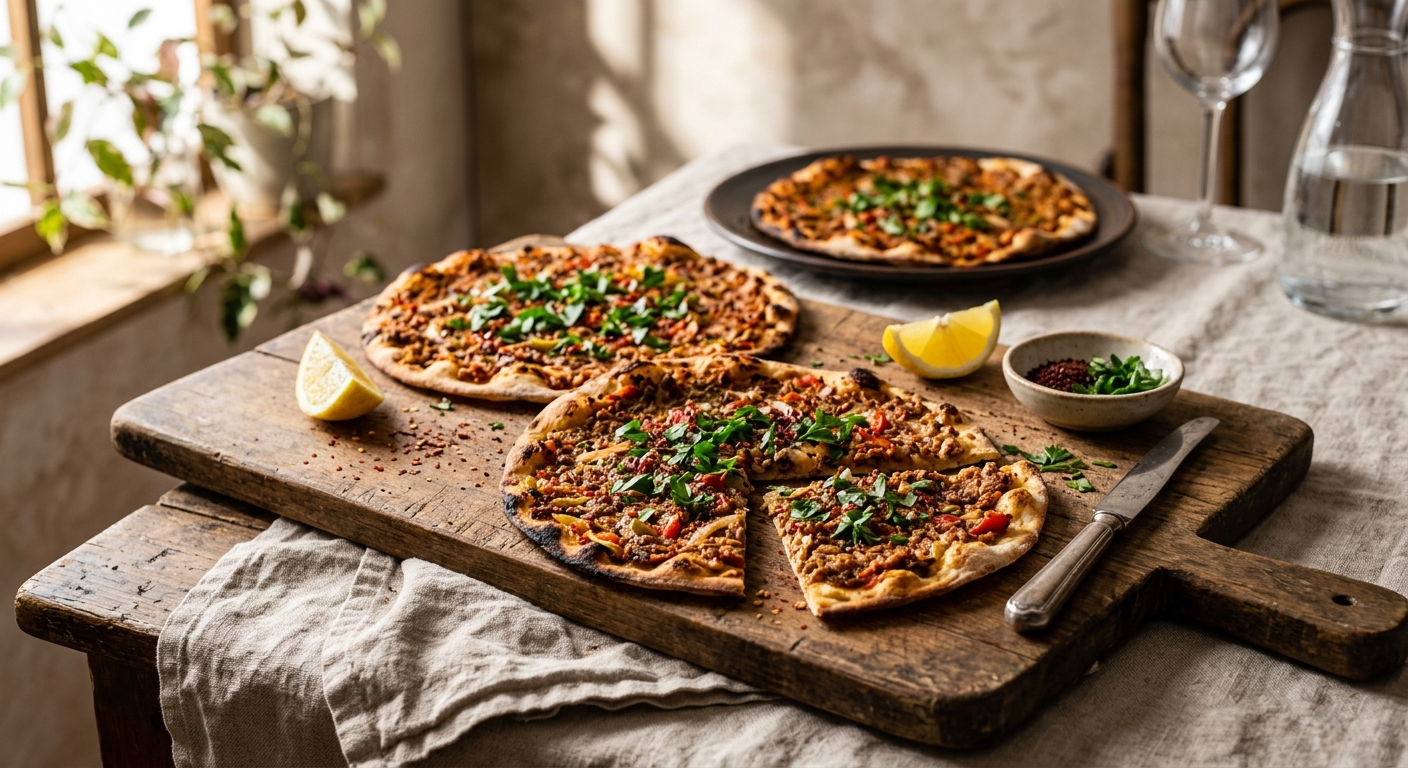
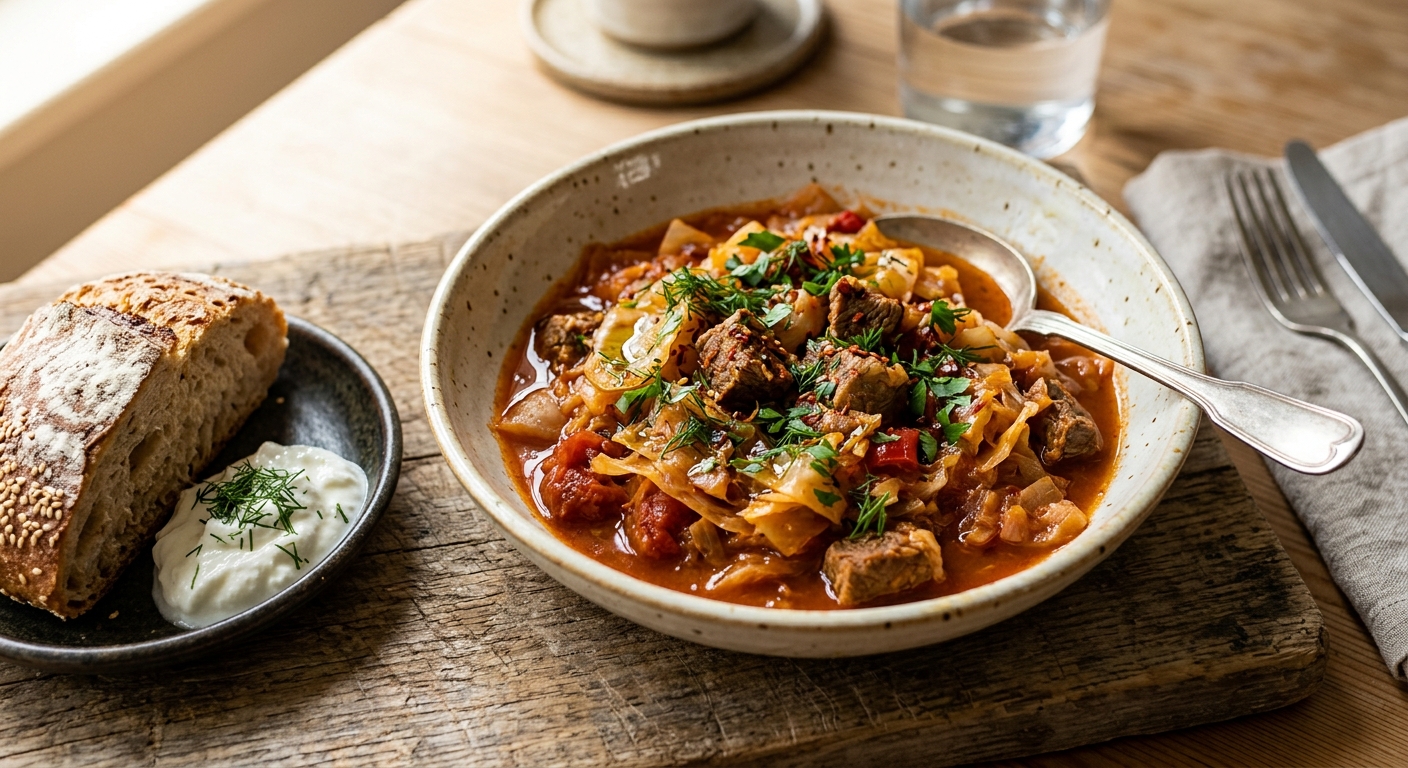
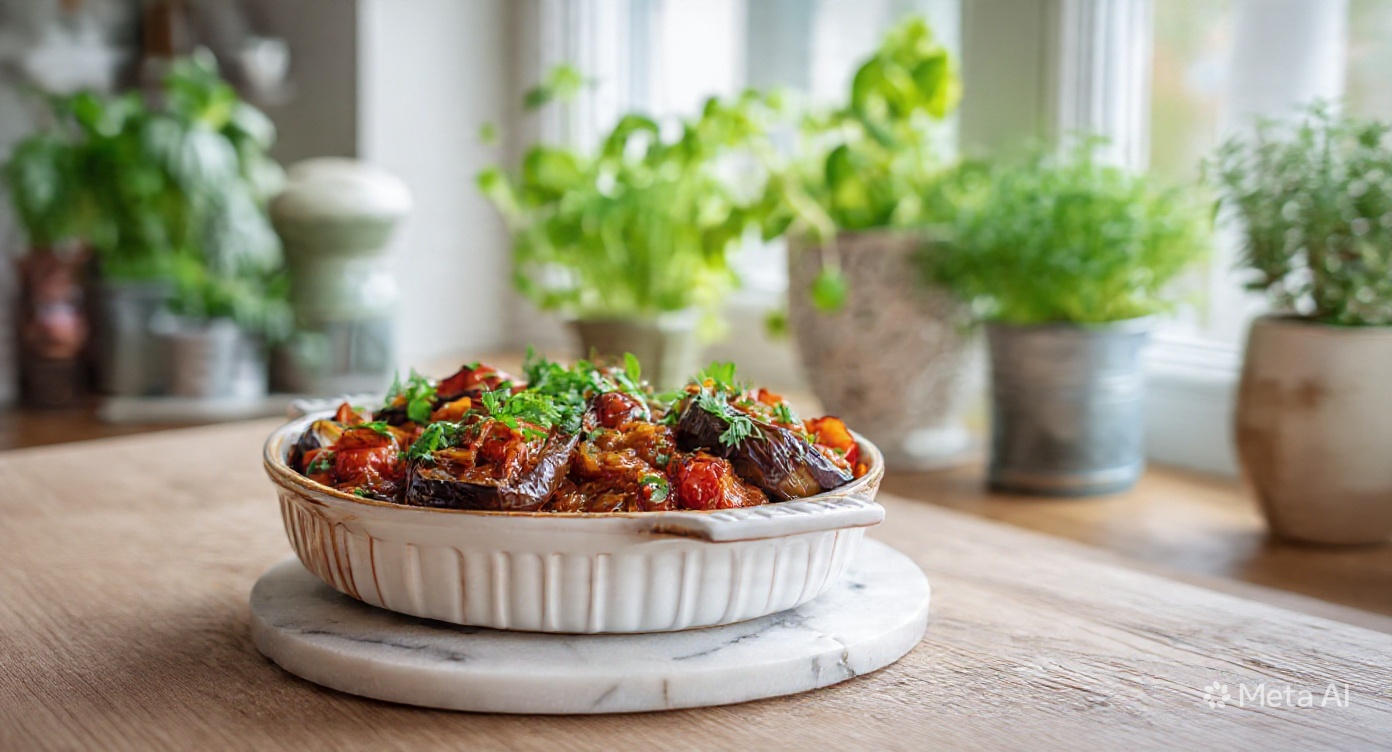
Turkish recipes bring together the rich flavours of the Mediterranean, Middle East and Central Asia, showcasing dishes that have been perfected over centuries in family kitchens. Home cooks turn to these recipes for everyday comfort meals like kapuska, a hearty cabbage stew, or when hosting special gatherings with impressive dishes such as imam bayildi, tender aubergines stuffed with aromatic vegetables. These are genuine family recipes passed down through generations, reflecting the warmth and generosity that defines Turkish home cooking, where meals are meant to be shared and savoured together around the table.
4 recipes preserved by Recipe Filer cooks. Free to read, free to share.
Turkish cooking questions
What are the essential spices used in Turkish cooking?
Turkish cuisine relies on cumin, paprika, dried mint, sumac, and pul biber (Aleppo pepper) for authentic flavour. Black pepper, cinnamon, and allspice feature in meat dishes, whilst dried oregano and thyme are common in vegetable preparations. These spices create the distinctive warm, aromatic taste of Turkish food.
Can I make Turkish recipes vegetarian or vegan?
Many Turkish dishes are naturally vegetarian, including imam bayıldı, mercimek köftesi, and various meze. Replace yoghurt with plant-based alternatives in recipes like cacık. Meat-based dishes like karnıyarık work well with lentils or chickpeas instead. Turkish cuisine offers excellent vegetable-forward options using aubergines, courgettes, and pulses.
How do I store leftover Turkish dishes like imam bayıldı?
Store cooked Turkish dishes in airtight containers in the fridge for up to three days. Many improve with time as flavours develop. Imam bayıldı and kapuska reheat well on the hob or microwave. Freeze portions for up to three months, though aubergine texture may soften slightly upon thawing.