By Mrs B
The Science Behind Food Choices for World Cup Team Chefs
Explore how world-class chefs nourish footballers on their journey.
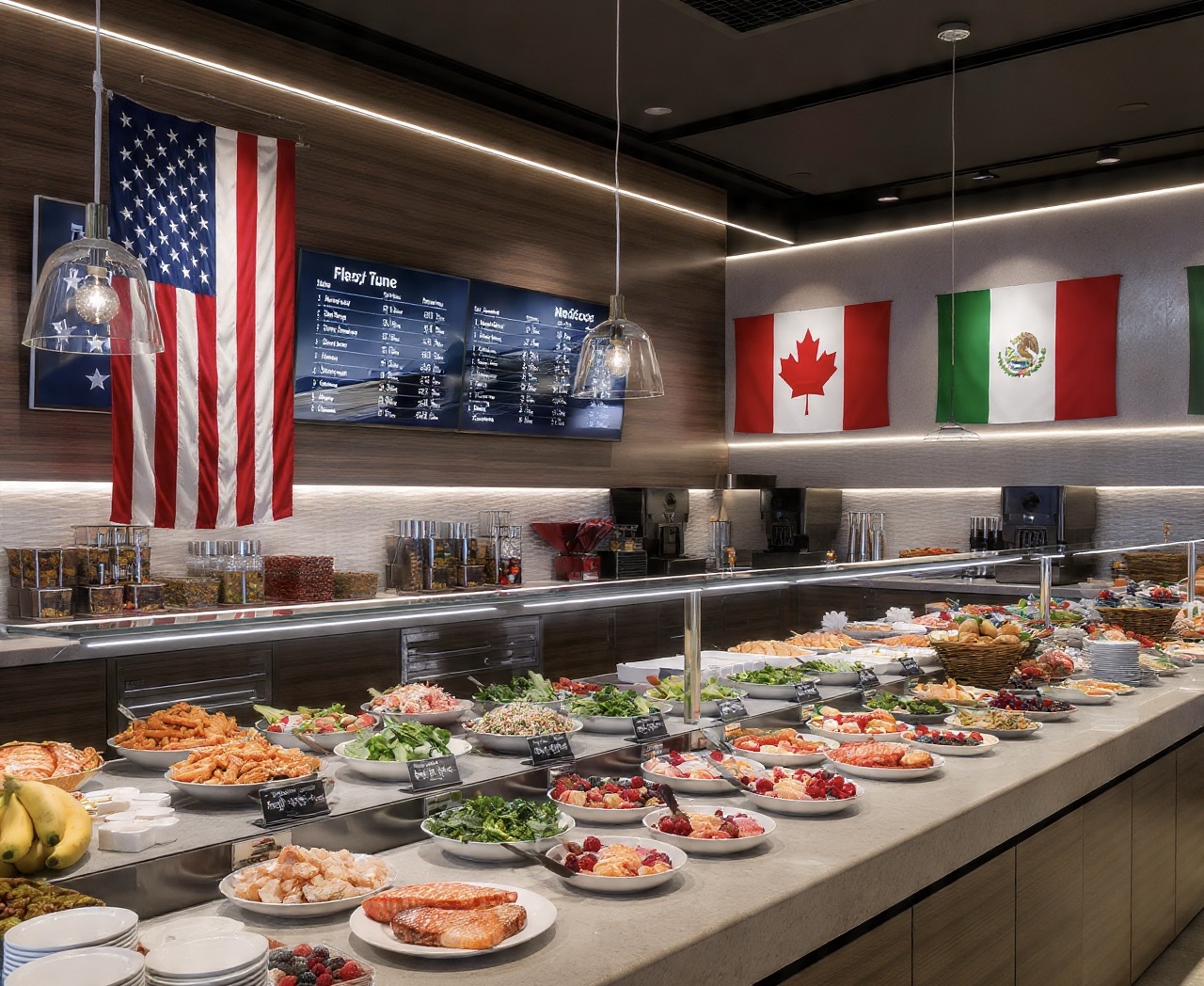
As the world watches the 2026 World Cup unfold across the U.S., Canada, and Mexico, the spotlight often falls not just on the athletes, but on their culinary guardians—team chefs. These culinary experts play a vital role in ensuring that players remain in peak physical condition despite the rigours of travel and competition. Understanding the science of food is essential for optimising performance.
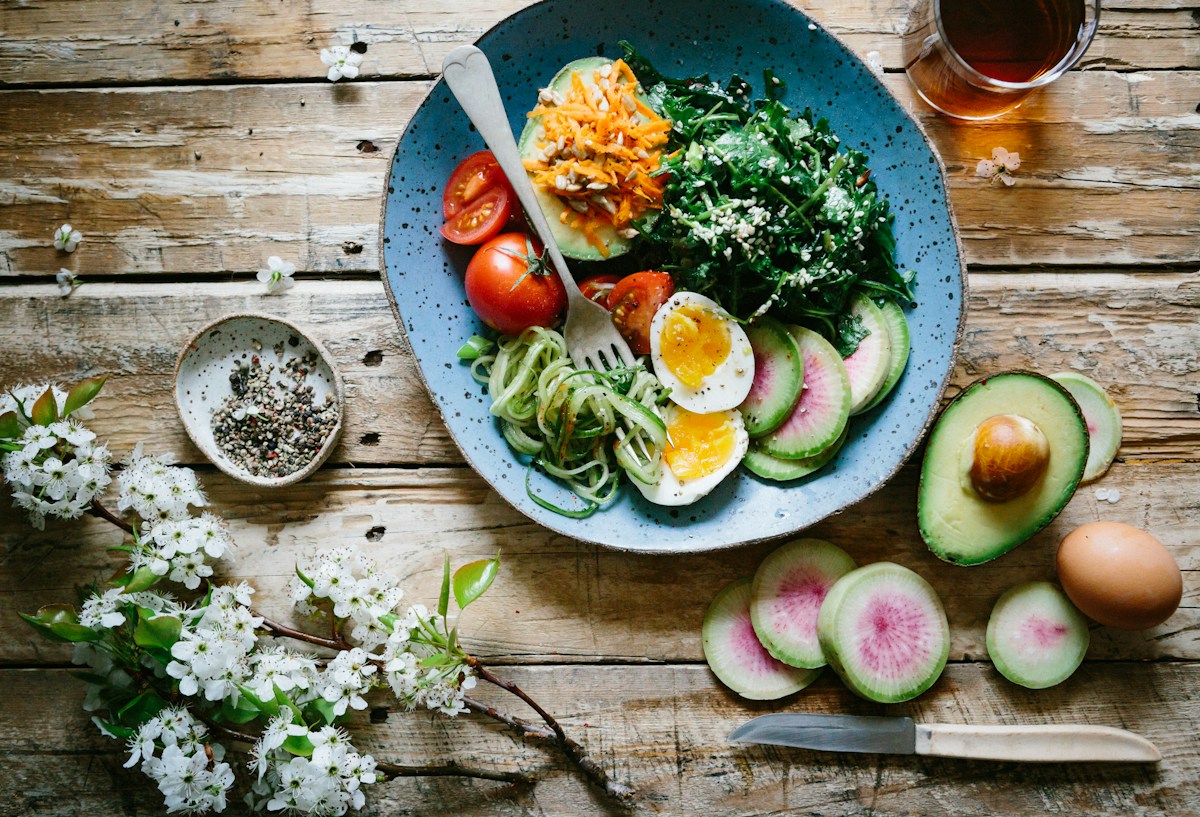
At its core, the diet of a professional footballer must balance carbohydrates, proteins, and fats, designed specifically to support high endurance and quick recovery. Carbohydrates are crucial; they replenish glycogen stores used during intense matches. Foods like quinoa and brown rice serve as excellent sources, providing sustained energy. A recipe, such as a warm quinoa salad, perfectly illustrates how these ingredients can be combined into nourishing dishes, suitable for athletes.
Equally important is protein, necessary for muscle repair and recovery. Lean meats like chicken and turkey, as well as fish and legumes, feature prominently in a footballer's diet. A popular dish among athletes could be grilled chicken with a side of steamed broccoli and sweet potatoes, creating a well-rounded meal that is both satisfying and beneficial.
Hydration, often overlooked, is just as vital as food. With matches taking place in various climates, chefs must ensure players are hydrated appropriately. Electrolytes are essential, found in sports drinks, coconut water, and even certain foods like bananas. Preparing refreshing smoothies filled with fruits can help boost hydration levels while also providing necessary nutrients.
With the 2026 World Cup's extensive travel requirements, chefs must adapt menus for diverse environments and local ingredients, without sacrificing nutritional value. They often incorporate local flavours and traditional dishes, which can enhance team morale and provide a comforting sense of home. This July, as we celebrate summer in the UK with Wimbledon teas and prepare BBQs for Independence Day in the U.S., teams might find inspiration in barbecue chicken or grilled corn, ensuring dishes are both enjoyable and packed with nutrition.
In addition to solid meals, team chefs also prepare snacks—quick yet nutritious options like mixed nuts, energy bars, and fruit. Maintaining energy levels between matches is crucial, and easy-to-digest snacks can prevent fatigue without overwhelming the players' digestive systems.
In conclusion, as we delve into the nutritional needs of athletes during a high-stakes World Cup, it becomes clear that the science of food is indispensable. Team chefs, with their expertise and dedication, ensure that players are not only well-fed but fuelled for success. For more insights on how to create a balanced meal plan for your own active lifestyle, save it to your cookbook in RecipeFiler.
Whether you’re cheering from home or enjoying a summer gathering, remember the science behind nutrition that supports athletes as they strive for greatness this tournament season.