By Mrs B
Pumpkin Pie History: How Pumpkin and Pecan Pie Won Thanksgiving
Who really ate what in 1621, how two pies took over the table, and why the South sticks with pecan.
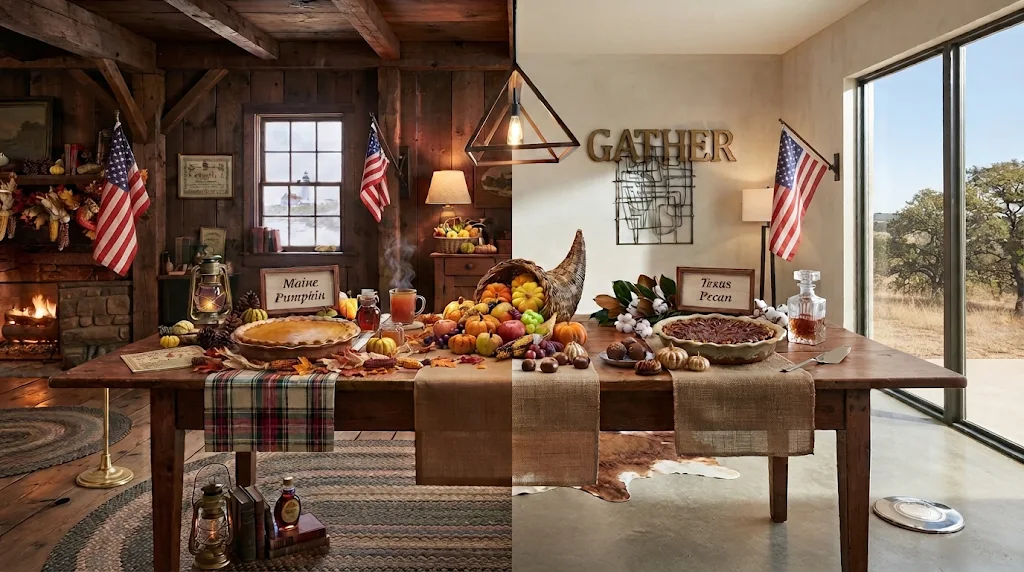
Every November, somebody tells me the Pilgrims tucked into pumpkin pie in 1621. Let me save you the argument. The surviving accounts of that harvest feast mention wildfowl and venison, not pudding of any sort, and a settlement short on flour, butter and proper ovens was not turning out shortcrust. Pumpkin was certainly about. It just wasn't wearing a pastry case.
Squashes had been grown across the Americas by Indigenous peoples for thousands of years, and settlers learned to stew them, roast them in the embers and bake them whole. Pie came later, and it came partly from home. English cooks were already putting pumpkin into pies in the seventeenth century, and by 1796 Amelia Simmons's American Cookery, one of the first cookbooks published by an American author, included pumpkin puddings baked in pastry and warmly spiced - Pompkin Pie. That is the pie you would recognise today, give or take a tin opener.
The push into Thanksgiving belongs largely to Sarah Josepha Hale, the New Hampshire writer who also gave us Mary Had a Little Lamb. Her 1827 novel Northwood describes a Thanksgiving dinner with pumpkin pie, and she then spent years lobbying for a national day of thanks. Abraham Lincoln proclaimed one in 1863. The Thanksgiving she pictured was a New England one, so its pie went national with it. Franklin Roosevelt tinkered with the date in 1939, and Congress settled on the fourth Thursday of November in 1941. The pie, meanwhile, did not need an Act of Congress.
Pecan pie is the younger sibling, and a more mysterious one. The pecan is a North American native, found along the Mississippi valley and into Texas and Mexico, and its name comes from an Algonquian word for nuts that need a stone to crack them. Indigenous peoples gathered them long before anyone thought of a pie. The pie itself turns up in community cookbooks in the later 1800s, many of them from Texas. You will often hear that it was invented by a French cook in New Orleans, and that corn syrup makers made it famous by printing the recipe on the label. The second part is plausible, since the filling depends on syrup. The first I would file under charming but unproven.
If you are British, pecan pie will feel oddly familiar. Eggs, sugar, syrup, butter and a pastry case: it is essentially a treacle tart wearing a Southern accent, with nuts floating on top. I am not claiming kinship, only that your tastebuds will understand it.
So why do some states lean one way? Mostly it is geography and habit, and I can't offer a league table, only the sensible explanation. Pecan trees thrive in the warmer South and Southwest, and Texas and Georgia are big pecan country. Texas has even made pecan the official state pie. Southern tables often add sweet potato pie too. Pumpkins suit cooler northern growing seasons, and New England has the historical claim, while Illinois is known as a major pumpkin-growing state, and most American tinned pumpkin is actually a variety of squash called Dickinson. Plenty of households everywhere simply bake both, then argue over which one to eat for breakfast the next day.
Here is where I earn my keep with some practical advice.
For pumpkin pie, the usual crime is overbaking. Take it out when the edges are set and the centre still has a gentle wobble, about the size of a 50p piece. It carries on setting as it cools, and the dreaded crack across the middle is usually a sign it stayed in too long. If you cannot find tinned pumpkin purée, roast butternut squash until soft, blitz it, then leave it in a sieve for half an hour to lose its water. Wet filling is the other great villain. Blind-bake your case first, and a 425g (15oz) tin of purée or about the same weight of drained squash is a sensible amount for a standard 23cm (9in) pie.
For pecan pie, toast the nuts for 8 to 10 minutes at 180°C (160°C fan, 350°F, Gas 4) before they go in. It deepens the flavour and keeps them crisp rather than leathery. Bake the pie at 175°C (155°C fan, 350°F) until the filling is set at the edges with just a slight wobble in the middle, usually 45 to 55 minutes. If the pastry rim darkens too fast, a collar of foil does the job. Cut it cold, because a warm pecan pie is soup with ambitions. It is also very sweet, so a spoonful of unsweetened whipped cream or crème fraîche is a kindness, not a luxury.
Both pies keep nicely, which matters on the big day. The pumpkin can be baked the day before and kept in the fridge. The pecan will happily sit overnight at cool room temperature. That leaves the oven free for the turkey, which is the entire point of planning.
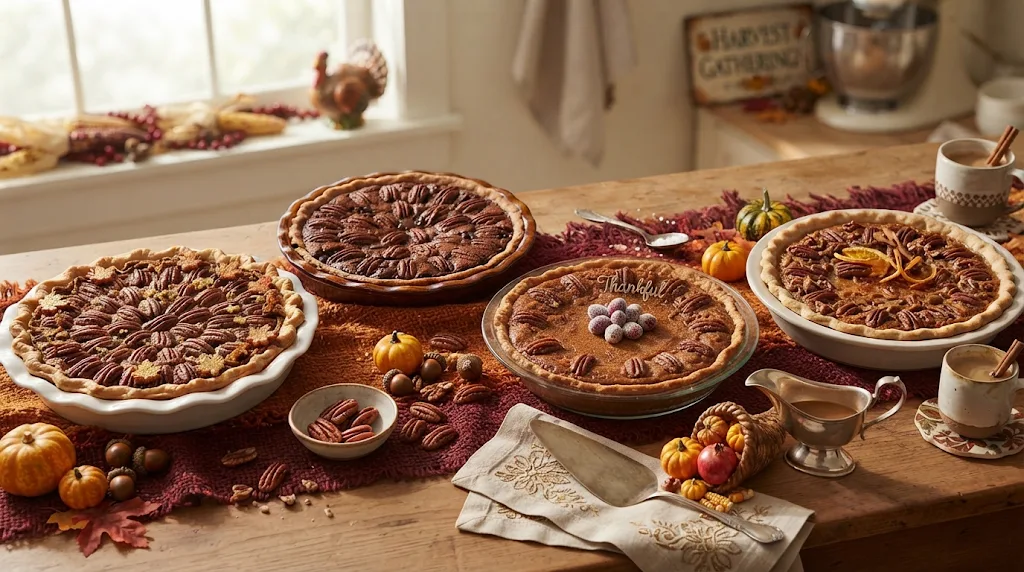
You will find tried-and-tested recipes for both on Recipe Filer, and you can save your favourite to a cookbook so it is waiting when next November rolls round. My own policy is simple. Make both, put them side by side, and let the table decide. They usually settle on seconds of each, and nobody has ever complained.