By Mrs B
The Return of the Michaelmas Goose: A Seasonal Spotlight on British Poultry
After years of decline, the Michaelmas goose sees renewed interest from chefs and consumers alike.
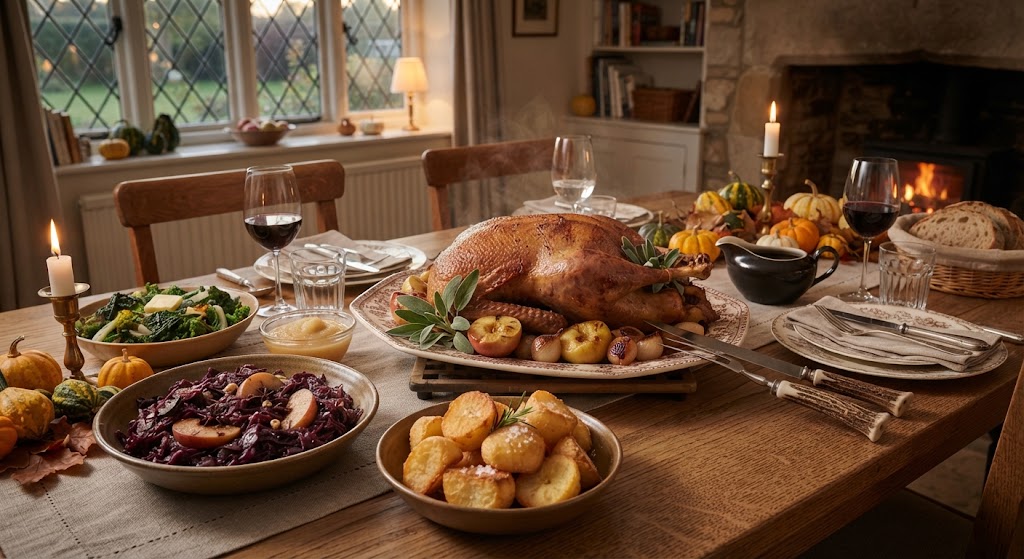
As the UK's culinary landscape shifts towards seasonal eating, the upcoming Michaelmas on 29 September 2026 heralds the return of the historic Michaelmas goose. Once a staple of British autumn celebrations, the goose has been largely forgotten in recent decades, overshadowed by the far more ubiquitous turkey at Christmas. However, recent trends in sustainable eating and local produce have prompted chefs and restaurateurs to reintroduce this poultry delight into their menus, leading to a renaissance in its popularity.
According to the British Poultry Council, sales of British goose have increased by 25% over the last three years, signalling a growing consumer appetite for traditional and regionally sourced meats. Notably, establishments like The Hand & Flowers in Marlow, run by celebrity chef Tom Kerridge, have begun showcasing the Michaelmas goose in inventive ways, offering dishes like confit goose leg with spiced red cabbage and goose fat roast potatoes.
The historical significance of the Michaelmas goose cannot be overstated. Dating back to the Middle Ages, the tradition of feasting on goose on Michaelmas is well documented. It was said that the feast would herald the end of the harvest season, and post-harvest celebrations would often feature roasted goose as the centrepiece. The practice was rooted in agrarian society, serving as a time to give thanks for the year’s bounty. As such, the Michaelmas goose stands as a testament to Britain's culinary history and is emblematic of the importance of seasonal eating.
Moreover, sourcing geese from local farms contributes to the reduction of carbon footprints associated with meat production. Sustainable farming practices, which emphasise free-range rearing, give the birds a chance to roam and forage, developing a flavour that is often described as richer and more robust than their intensively farmed counterparts. This aspect is particularly highlighted by producers such as the UK Goose Producer Group, which seeks to promote high welfare and environmentally sound practices.
From a culinary perspective, the preparation of the Michaelmas goose requires a few techniques that might not be familiar to modern cooks. Unlike chicken, geese are fattier, which can result in a more challenging cooking process that rewards patience. Brining the bird ahead of roasting can help to ensure moist meat and crispy skin, while basting with the rendered fat during the cooking process enhances flavour and texture. A simple yet stunning preparation could involve a piquant marinade of garlic, rosemary, and orange zest, allowing the natural flavour to shine through. For those interested in incorporating this seasonal staple into their kitchens, the effort of perfecting the roast is well worth it.
As we approach Michaelmas, the renewed interest in this traditional dish prompts renewed conversations about British culinary heritage while pushing the boundaries of contemporary dining. Restaurants across the nation are embracing this autumnal delicacy, using it to invoke the rich agricultural lineage inherent in British cuisine. It is a pivotal moment for those eager to celebrate local, sustainable produce in their cooking.
The revival of the Michaelmas goose invites food lovers to reconnect with this enduring tradition, honouring not only the past but also fostering a sustainable food culture for the future. To explore recipes incorporating this remarkable bird, save the recipe to your Recipe Filer cookbook.