
Tag
Taro recipes
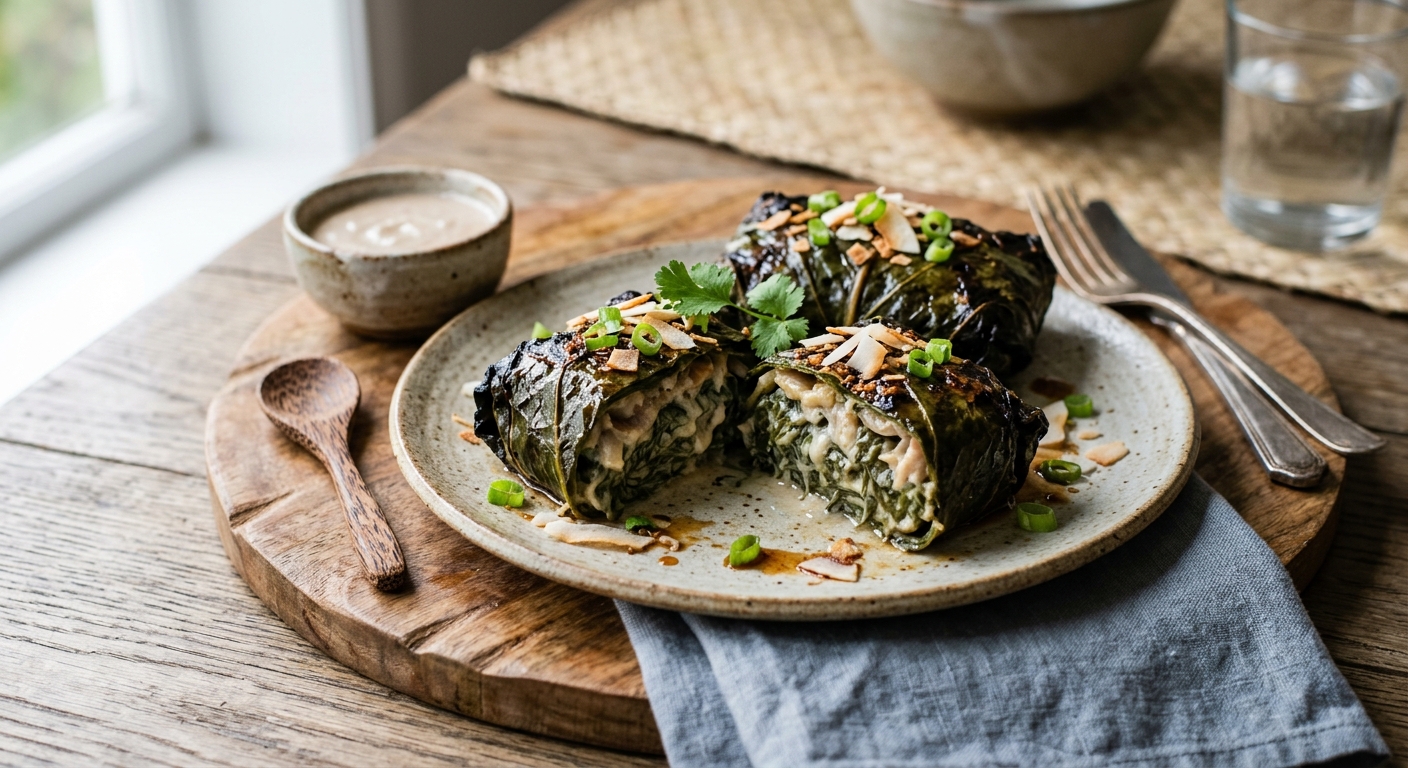
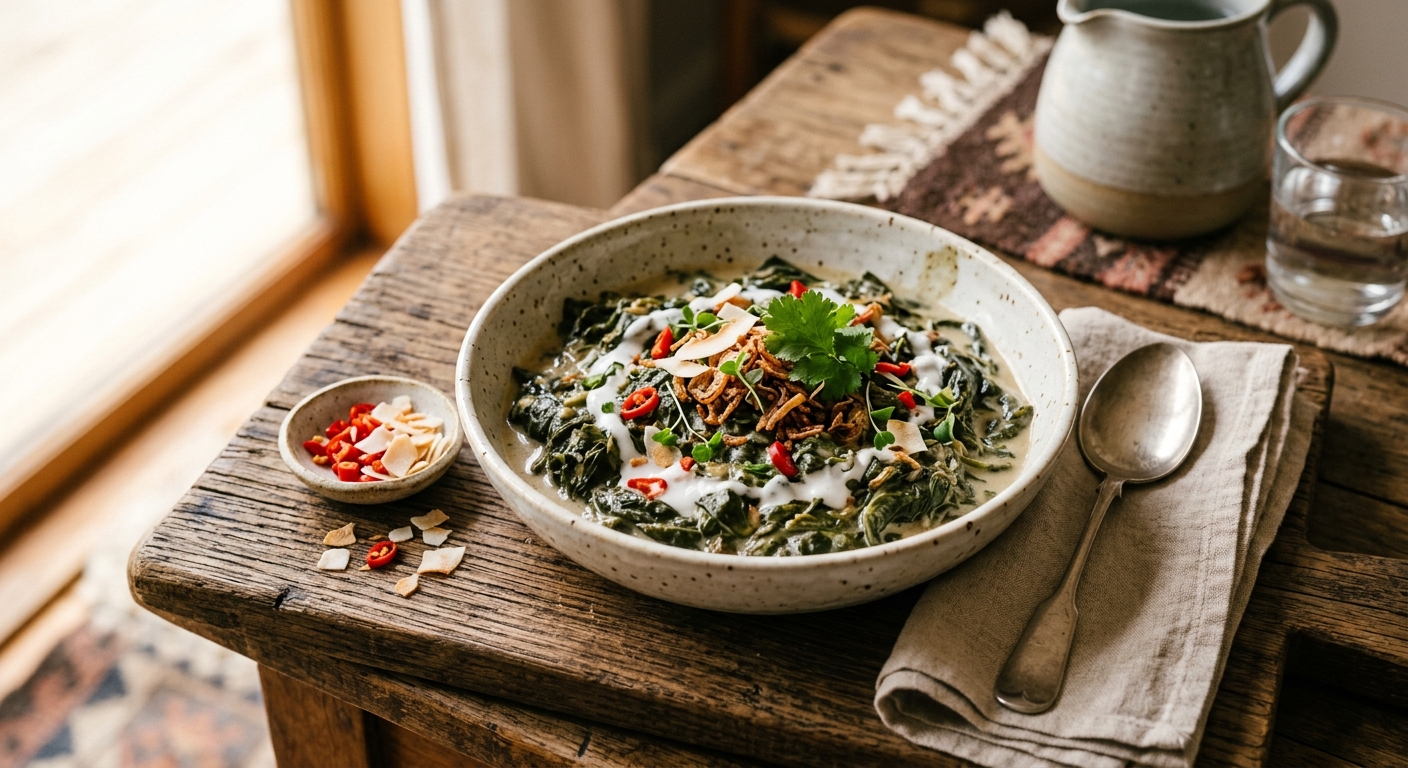
Taro, the starchy root vegetable with its distinctively nutty flavour and creamy texture, takes centre stage in this collection of family favourites from Pacific Island kitchens and beyond. These taro recipes showcase both the tuberous root and its nutritious leaves, prepared in ways that have been passed down through generations. Families reach for these dishes during Sunday gatherings, special celebrations, and whenever they want to reconnect with island traditions. From Rukau, where taro leaves simmer gently in coconut cream, to Palusami's neat parcels of the same beloved combination, each recipe reflects the authentic techniques and treasured memories of real home cooks.
2 recipes preserved by Recipe Filer cooks. Free to read, free to share.
Taro recipe questions
How do I prepare fresh taro root safely before cooking?
Always wear gloves when handling raw taro, as it can irritate skin. Peel the hairy skin completely using a vegetable peeler or knife, then rinse thoroughly. Cut into pieces and boil or steam until tender. Never eat taro raw, as cooking neutralises the calcium oxalate crystals.
Can I use frozen taro leaves instead of fresh for coconut cream dishes?
Yes, frozen taro leaves work brilliantly in rukau and palusami. Thaw completely and squeeze out excess water before using. You may need slightly less cooking time than fresh leaves. Tinned taro leaves are another convenient alternative, though fresh gives the best flavour and texture.
How long does cooked taro keep and can I freeze it?
Cooked taro root keeps for three to four days refrigerated in an airtight container. It freezes well for up to three months. Dishes like palusami should be cooled completely before refrigerating and consumed within two days. Reheat thoroughly until piping hot before serving.
