Roman Republic · Italy
Libum (Roman Cheese Cake)
From De Agri Cultura · Cato the Elder · 160 BC
Verified from original source
A dense ricotta cheese loaf offered to household gods — over 2000 years old and still delicious.
History
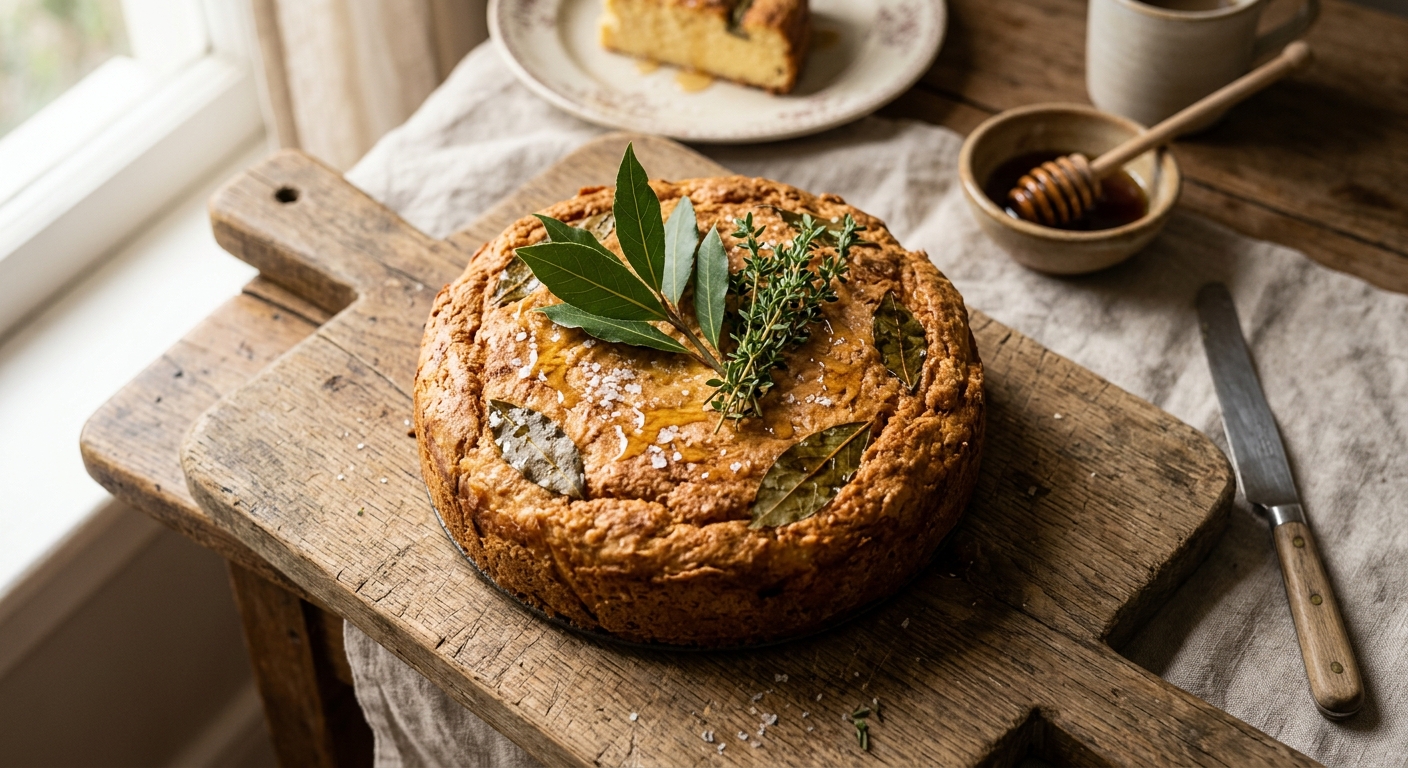
Libum was a small Roman cheesecake described in Cato the Elder's De Agri Cultura (circa 160 BCE), making it one of the oldest recorded cheesecake recipes. Made from cheese (likely ricotta-like sheep's cheese), flour, egg, and bay leaves, it was baked and served with honey. Libum served both culinary and religious purposes—it was offered to household gods (Lares) during Roman religious ceremonies and consumed at family rituals. The recipe represents Roman rustic cuisine and demonstrates ancient Rome's sophisticated use of dairy. Modern cheesecakes evolved differently through medieval European custards and cream cheese innovations, though libum's basic cheese-egg-sweetener formula presaged later developments.
Sources
- Cato the Elder, De Agri Cultura (On Agriculture), circa 160 BCE, sections 75-76
- Andrew Dalby, Food in the Ancient World from A to Z, 2003
- Ilaria Garga Bettini (translator), Cato: On Farming (De Agricultura), 1998
- Patrick Faas, Around the Roman Table: Food and Feasting in Ancient Rome, 2003
- Sally Grainger, Cooking Apicius: Roman Recipes for Today, 2006
Serves
6
Prep
15m
Cook
40m
Difficulty
Medium
Ingredients
- · 500g ricotta
- · 125g plain flour
- · 1 large egg
- · Fresh bay leaves for lining
Method
- 1
Preheat oven to 180°C (fan 160°C).
- 2
Beat the ricotta smooth. Sift in the flour and knead into a dough.
- 3
Work in the egg. Shape into a round loaf about 5cm thick.
- 4
Line a baking dish with bay leaves, place the loaf on top.
- 5
Bake for 35–40 minutes until firm and lightly golden.
- 6
Drench with warm honey while still hot, and rest 10 minutes.