Historical cookbook
De Agri Cultura: Cato's Roman Farm Book and Its Libum
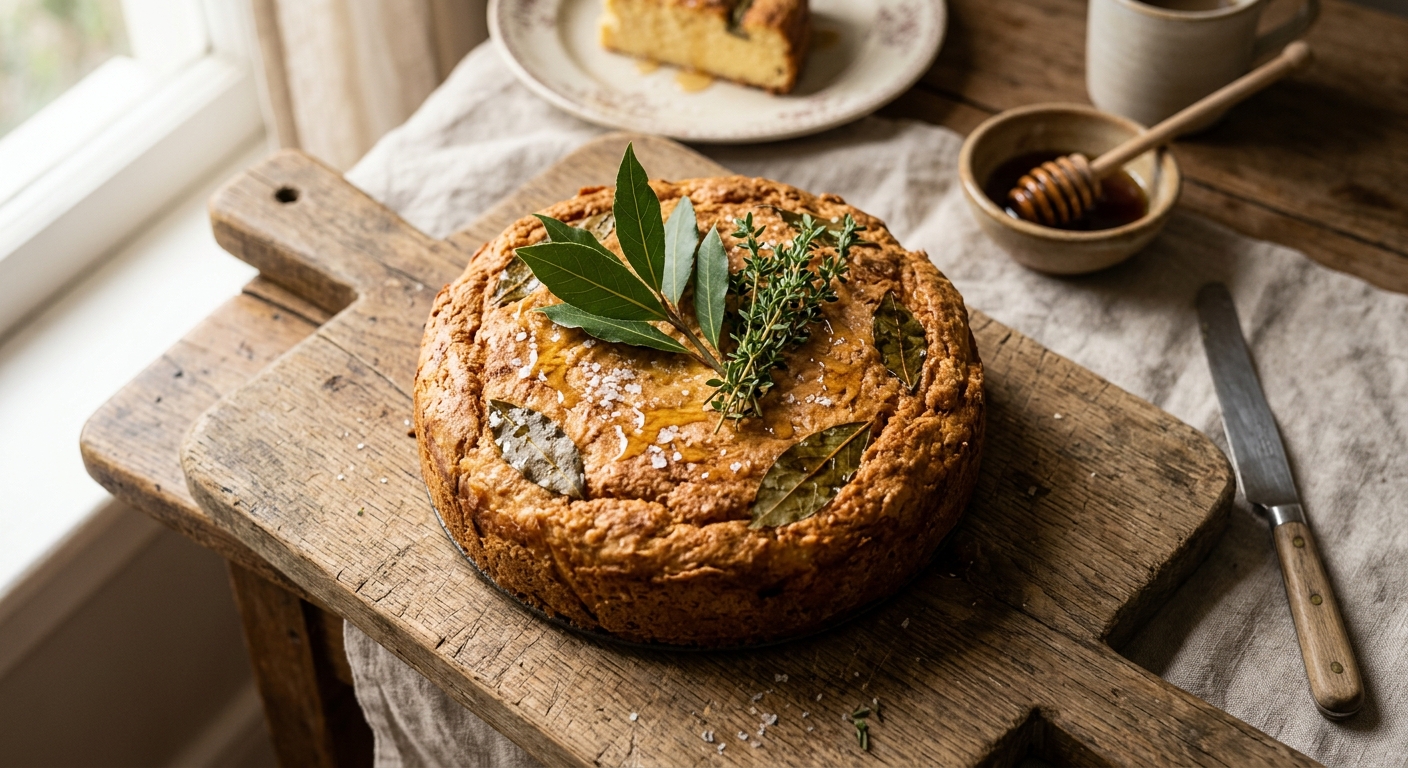
Cato the Elder's practical farming manual, written around 160 BC, is the source of our modernised Roman cheese cake, Libum.
The story behind the book
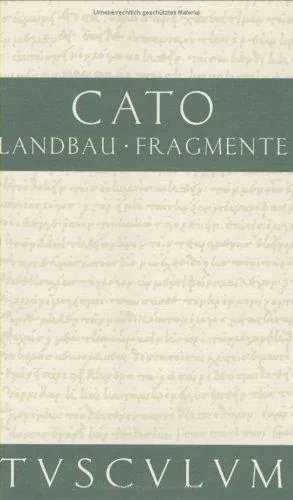
De Agri Cultura, sometimes called De Re Rustica, is a Latin handbook on running a farm. It is usually dated to around 160 BC, although the exact year of composition is not known, and it is generally regarded as the oldest surviving Latin prose work to reach us complete. It was not written for pleasure or for the kitchen. It is a working manual for a landowner who wanted a profitable estate, and it reads like a set of notes: short, blunt and often unexplained. Its recipes sit among instructions on farming and household management, which is why a dish from it feels so direct.
Who wrote it
Marcus Porcius Cato, known as Cato the Elder or Cato the Censor, lived from 234 to 149 BC. Born in Tusculum, he rose through Roman public life to become consul in 195 BC and censor in 184 BC. He is remembered as a champion of old-fashioned Roman frugality and as a persistent opponent of Carthage. He also wrote a history of Rome, the Origines, which survives only in fragments, so De Agri Cultura is the work by which his prose is best known. His voice in it is that of a landowner who counts costs, and his attitude towards the enslaved people who worked Roman farms is notably harsh.
What's inside
The book moves through the business of a farm in roughly the order a new owner would need it: what to look for when buying land, how to plant vines, olives and fruit trees, how to manage a household and its labour, and how to draft contracts for harvests and sales. Alongside this come tools, wine-making, animal care, home remedies and short religious formulas. The recipes are a small part of the whole and are written as brisk instructions rather than as dishes to be admired. They include breads, cakes, a porridge and an olive relish. Libum is the best known for modern cooks. In Cato's text the cheese is worked thoroughly in a mortar, then mixed with flour and an egg, shaped into a loaf, set on bay leaves and baked under an earthenware cover over a hot hearth. Libum was also linked with offerings to the gods. Our modernised version keeps the same few ingredients and the bay leaves, but adapts the method to a domestic oven.
Why it still matters
For a food historian, the value of De Agri Cultura lies in how ordinary it is. It records what a Roman farm household might actually bake, from a landowner who was thinking about the estate rather than about impressing dinner guests. The recipes are modest, built on cheese, flour, honey and what the farm produced, and they show how closely cooking and agriculture were tied together. The terseness is also a lesson. Cato assumes his reader already knows how to cook, so cooks today must interpret rather than simply follow, and any modern libum is an informed reconstruction rather than an exact copy. It remains one of the most approachable ways into Roman cooking, and a reminder that the history of food often begins in a farm manual rather than a banquet.
Recipes from De Agri Cultura
Frequently asked questions
When was De Agri Cultura written?
+
It is usually dated to around 160 BC, though the exact year is not known. It is generally considered the oldest surviving Latin prose work to come down to us complete.
Who was Cato the Elder?
+
Marcus Porcius Cato (234–149 BC) was a Roman statesman who served as consul in 195 BC and censor in 184 BC. He is remembered for his emphasis on traditional Roman frugality and his opposition to Carthage.
What is libum in De Agri Cultura?
+
Libum is a simple Roman cheese cake made from cheese, flour and an egg, baked on bay leaves under a cover. Cato describes it among the book's few recipes, and it was also associated with offerings to the gods.