Historical cookbook
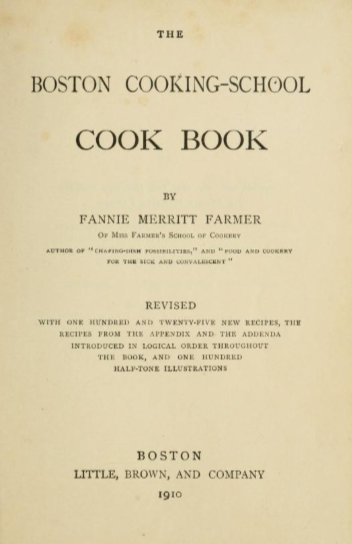
Boston Cooking-School Cook Book: Fannie Farmer's Level Measures
Fannie Merritt Farmer's 1896 cookbook, which helped make exact, level measurements standard in home kitchens.
The story behind the book
The Boston Cooking-School Cook Book first appeared in 1896, published by Little, Brown and Company in Boston. It grew out of the teaching at the Boston Cooking School, which had opened in 1879 to train women in cookery and domestic science. At the time, many household recipes were loosely worded, calling for a lump of butter the size of an egg, a teacup of flour or a moderate oven. Fannie Farmer set out to make results dependable. The book is best known for its insistence on standardised, level measurements, using a measuring cup and spoons rather than guesswork, so that a cook following the method could expect the same result each time. It sold well and remained in print for generations.
Who wrote it
Fannie Merritt Farmer was born in Boston in 1857. A serious illness in her teens, usually described as a stroke, interrupted her education and delayed her path into professional life. She entered the Boston Cooking School in 1887, graduated in 1889, stayed on as a member of staff and became its principal in 1894. Two years later came the cook book that made her name. In 1902 she opened her own establishment, Miss Farmer's School of Cookery, and she also wrote on feeding the unwell, including Food and Cookery for the Sick and Convalescent in 1904. She died in 1915, having become one of the most recognisable names in American cookery.
What's inside
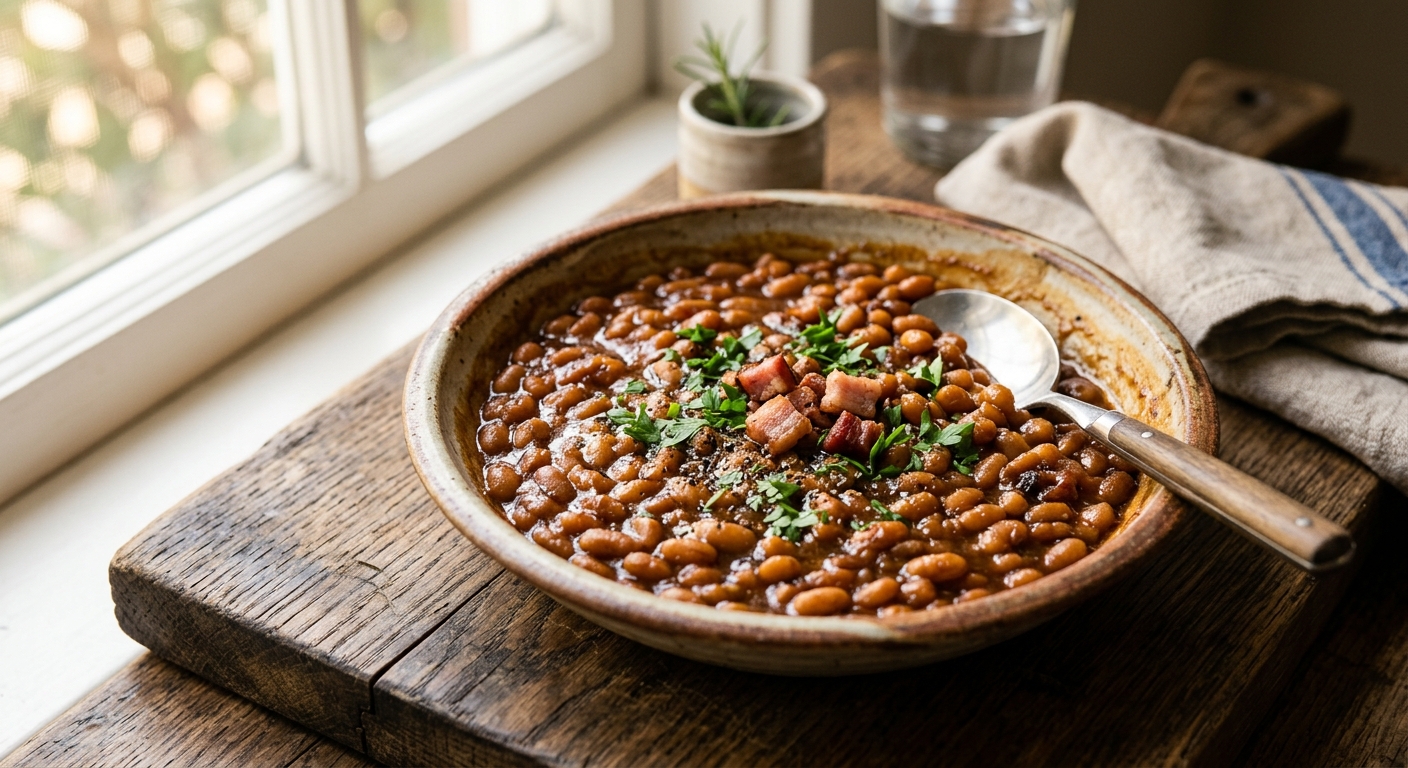
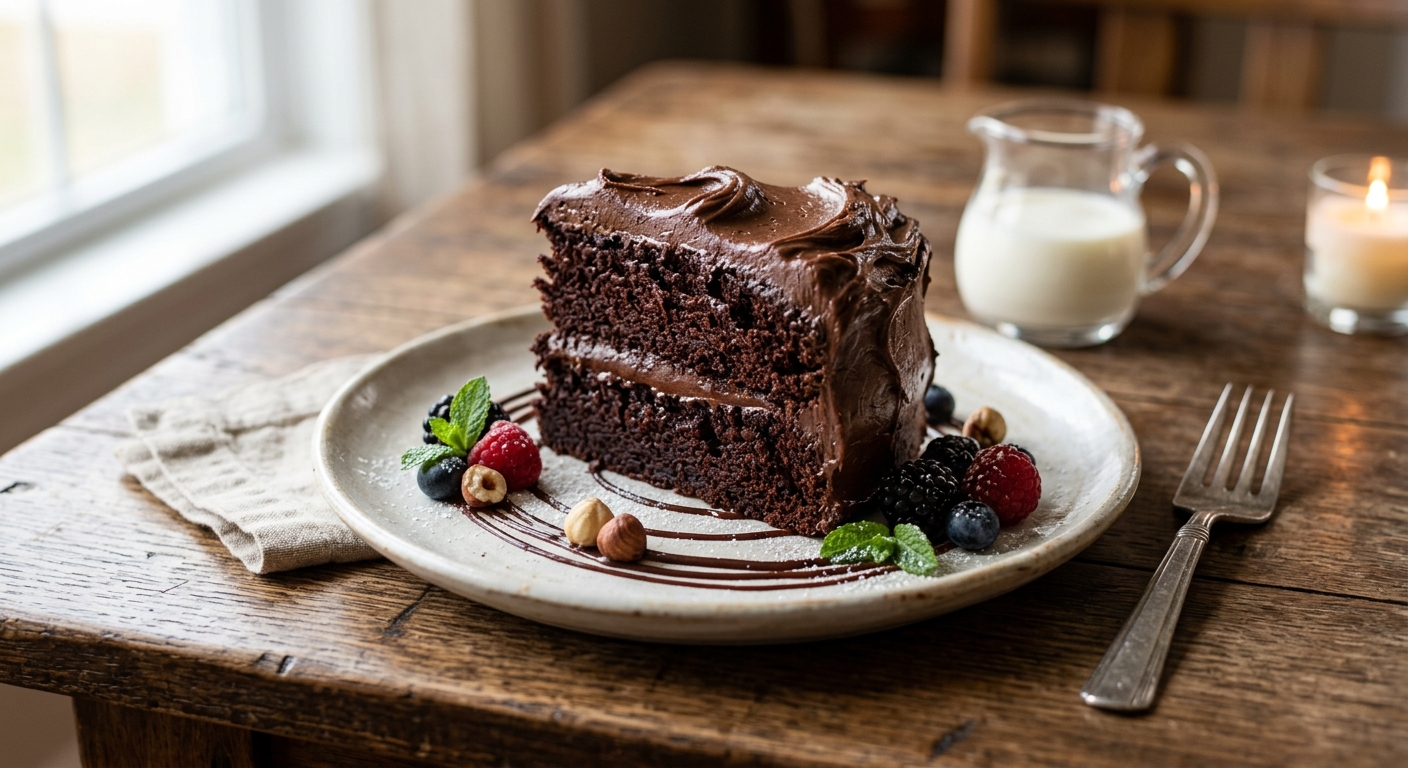
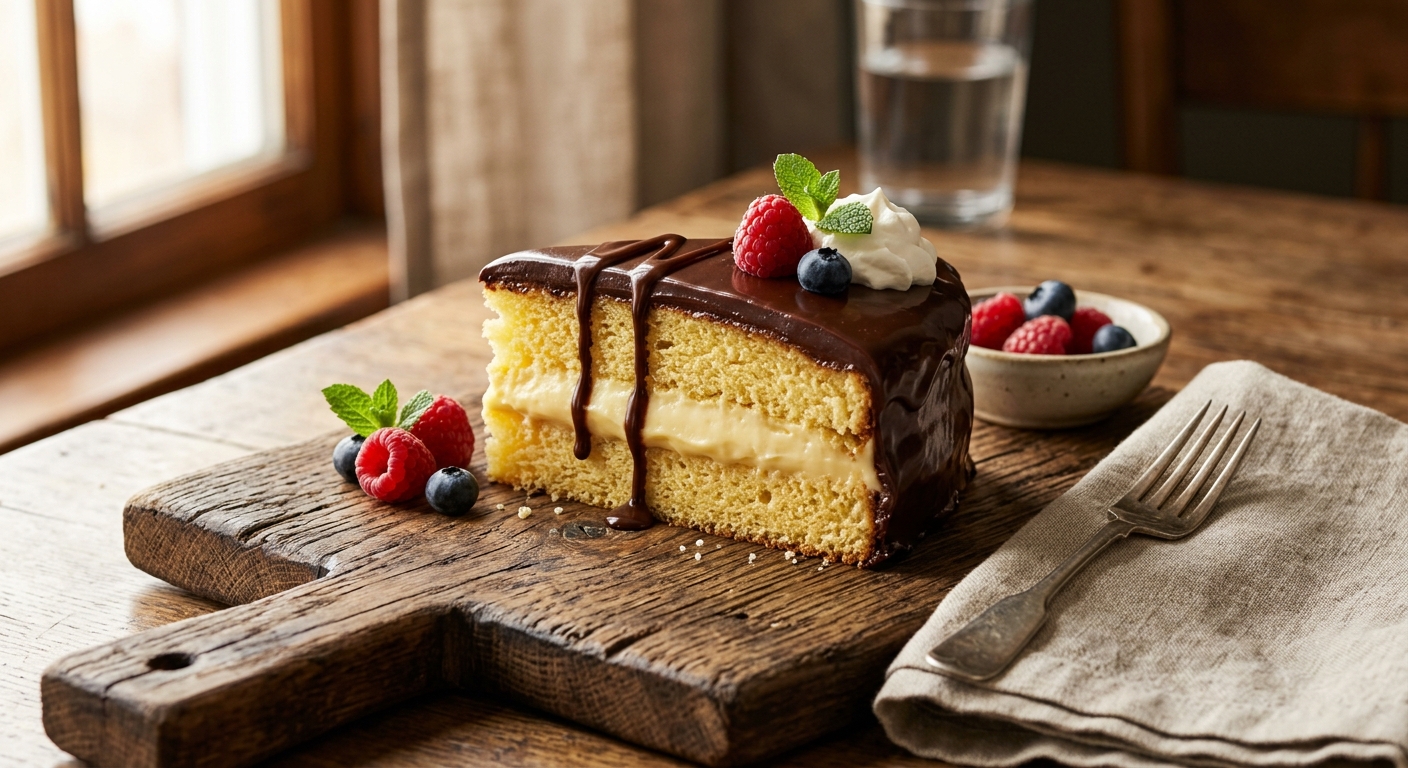
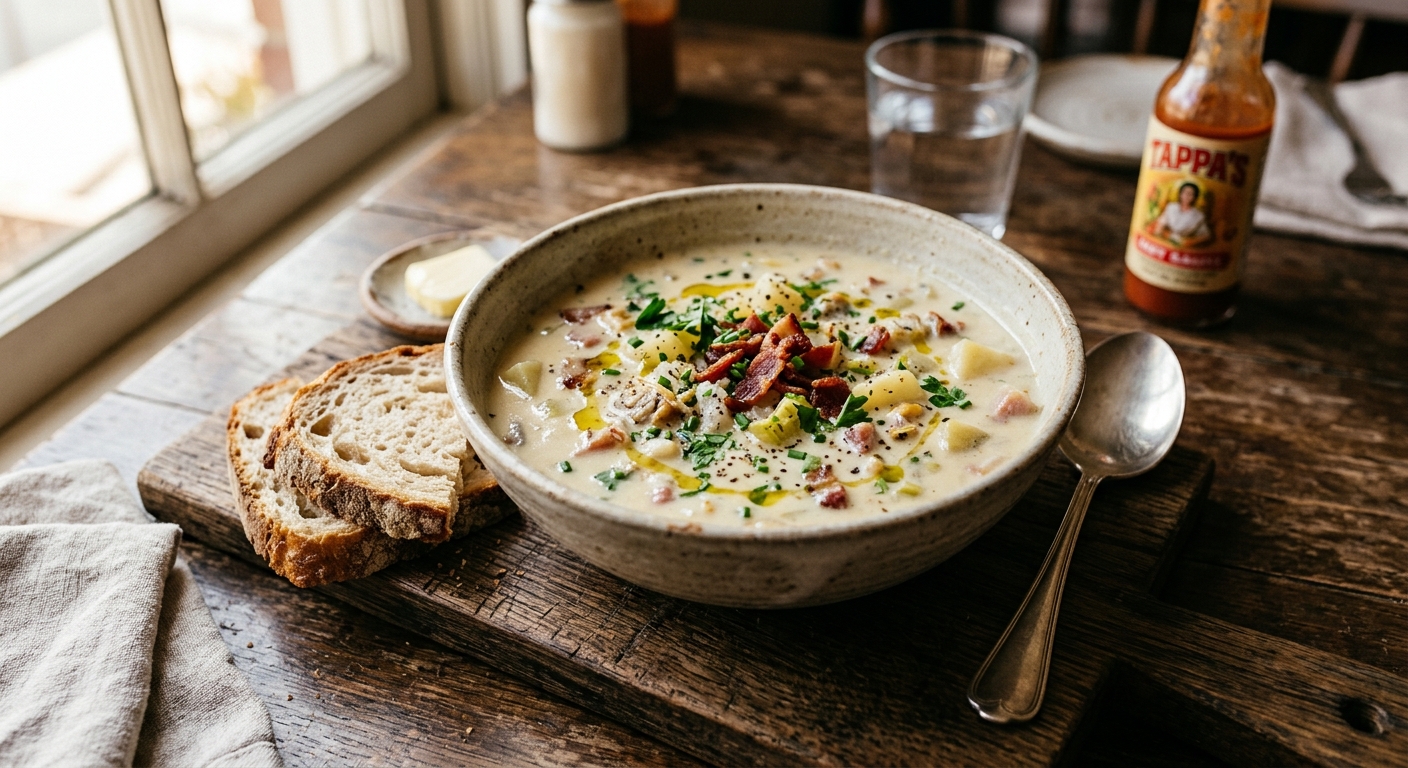
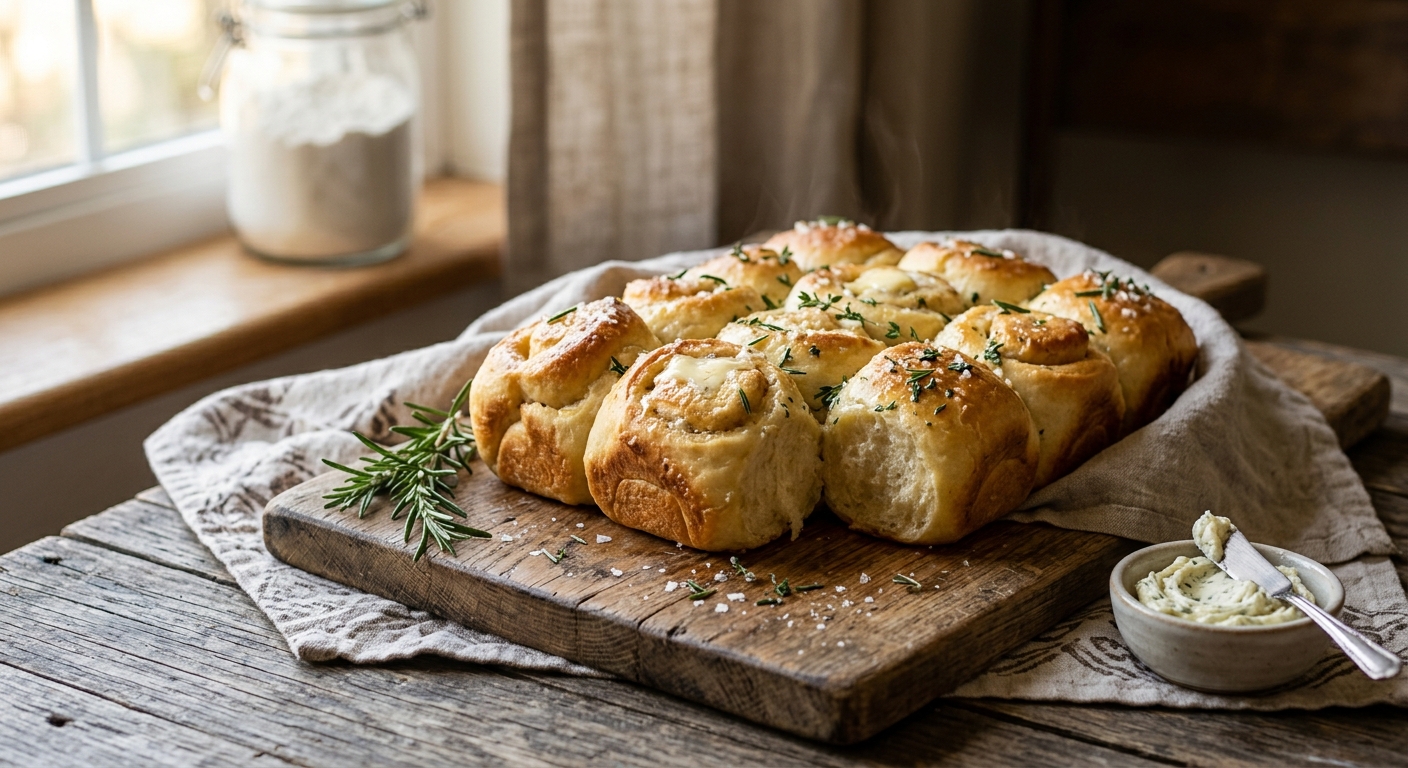
The book is more than a list of dishes. It pairs recipes with explanations of technique, so that a reader learns how and why a method works as well as what to do. The recipes include many dishes now closely associated with Boston and New England. Recipe Filer has modernised five of them: Boston baked beans, chocolate cake, Boston cream pie, New England clam chowder and Parker House rolls. Boston cream pie is a filled cake rather than a true pie, a quirk of naming that has long confused newcomers, while the rolls take their name from the Parker House hotel in Boston. Together these five show the book's range, from a slow-cooked supper dish to a soup, a bread and two cakes.
Why it still matters
Farmer's lasting contribution was a habit of mind rather than any single recipe. An ingredients list with precise quantities, followed by clear numbered-style method, is now so familiar that it is easy to forget it had to be argued for. Later editions were revised by others and eventually issued under the title The Fannie Farmer Cookbook, which shows how far the book's reputation outlived its author. For readers in Britain there is one practical point: American cup measures differ from British ones, and flour in particular can vary a good deal by how it is scooped, so weighing ingredients is the safest way to cook from older American sources. Even so, the principle Farmer championed, that good cooking should be repeatable, remains the basis of how recipes are written today, and the five dishes here are a rewarding way to see it in practice.
Recipes from Boston Cooking-School Cook Book
Frequently asked questions
Who wrote the Boston Cooking-School Cook Book?
+
It was written by Fannie Merritt Farmer (1857–1915), who became principal of the Boston Cooking School in 1894. It was first published in 1896 by Little, Brown and Company.
Why is Fannie Farmer's cookbook so important?
+
It popularised standardised, level measurements in American home cooking, replacing vague instructions with quantities a cook could repeat reliably. That approach shaped how recipes are written today.
Is the Boston Cooking-School Cook Book still available?
+
Yes, the book was revised many times by later editors and reissued, eventually under the title The Fannie Farmer Cookbook. Original editions from the 1890s can also be found in digitised and reprint form.