Historical cookbook
The Art of Cookery Made Plain and Easy: Britain's Landmark Cookbook
Hannah Glasse's 1747 cookbook set out Georgian British cooking in plain language for ordinary households.
The story behind the book
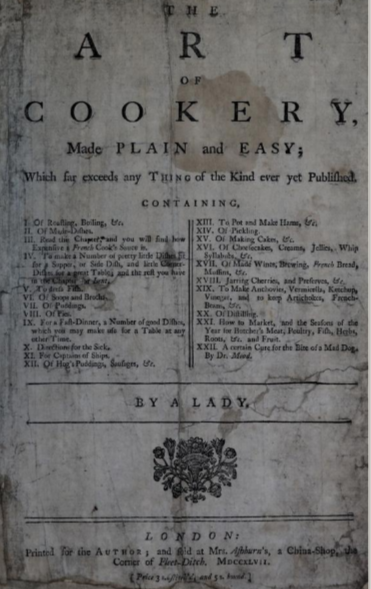
The Art of Cookery Made Plain and Easy was first published in London in 1747. The title page credited it only to "a Lady". Its preface states the aim plainly: to teach cooks and servants in simple language, without the elaborate terms that the author felt made other books hard to follow. She also took a swipe at fashionable French cookery, complaining that readers would rather be taken in by a French cook than encourage a good English one. The book sold well, was reprinted many times and stayed in print well into the nineteenth century.
Who wrote it
The author was Hannah Glasse, born Hannah Allgood in 1708. She married John Glasse and later worked as a dressmaker in London, where she was declared bankrupt in 1754. Her name appeared on later editions of the cookbook. For a time a rumour credited it to the writer Dr John Hill, an attribution historians have long discounted. She went on to write The Servant's Directory, published in 1760, and died in 1770. She is often misquoted as saying "first catch your hare", but that line does not appear in her book. Her actual instruction begins "Take your hare when it is cased", meaning skinned.
What's inside
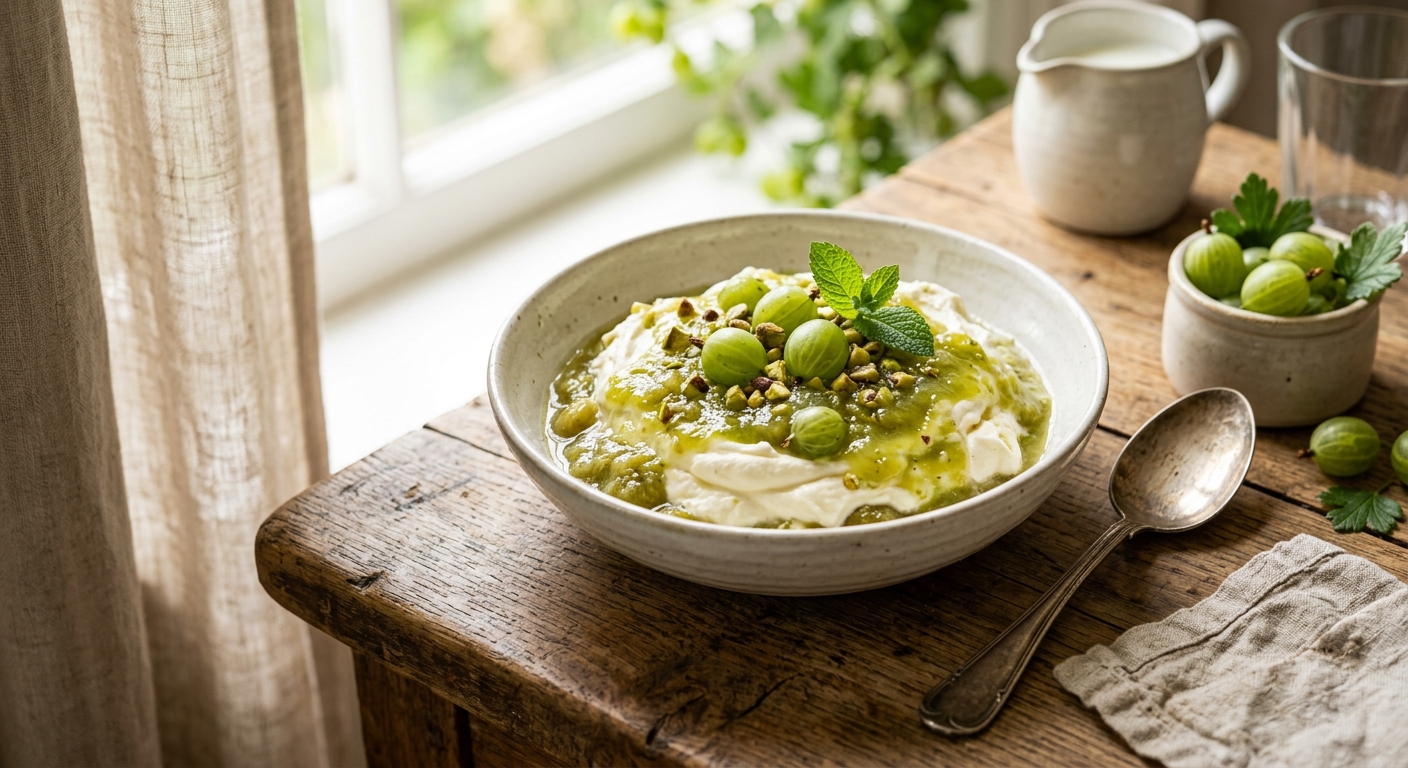
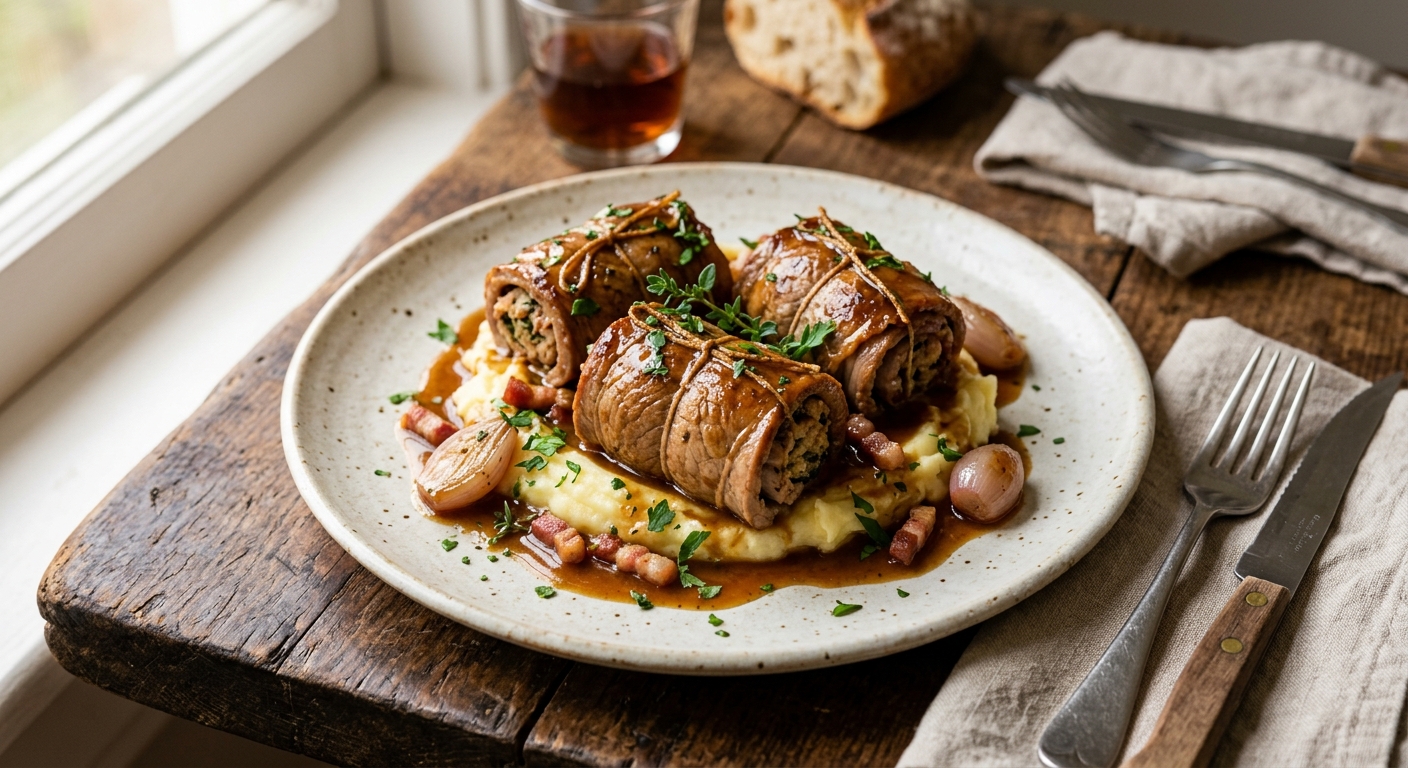
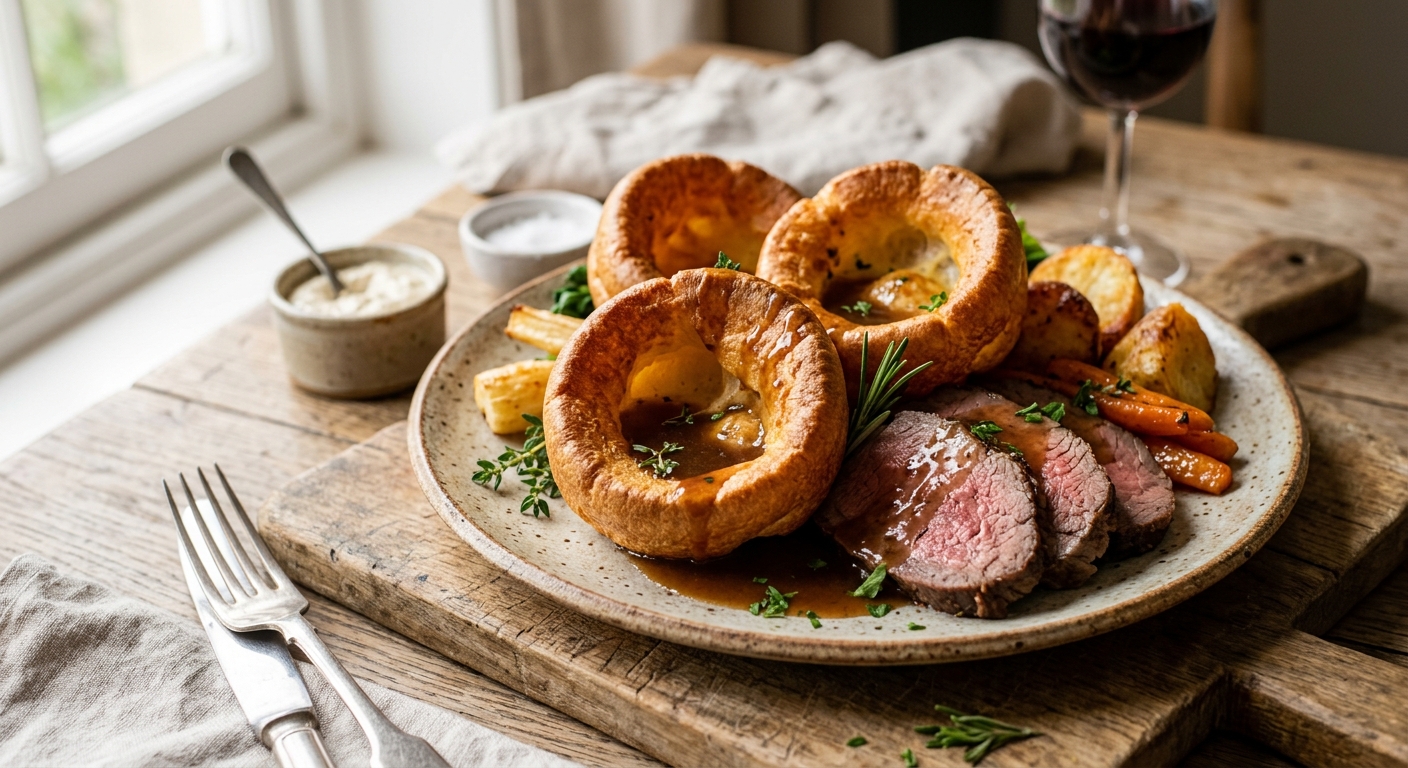
The book covers the everyday business of a Georgian kitchen: roasting and boiling, made dishes, puddings, pies, cakes, pickling and preserving. Glasse wrote for households that cooked over open fires and bought meat, fish and fruit according to season. Several of her recipes have lasting reputations. Her instructions for a curry "the Indian way" are widely cited as the earliest curry recipe in an English-language cookbook, and she also gave a recipe for a rice dish she called a pellow. She is credited with the first appearance in print of the name Yorkshire pudding. Her trifle layers wine-soaked biscuits with custard and syllabub. Recipe Filer has modernised this trifle and her curry, along with her gooseberry fool, stewed pears, veal olives and Yorkshire pudding, so they can be cooked with modern ovens, hobs and measurements.
Why it still matters
Glasse's book is a record of how ordinary British households ate in the eighteenth century. Its curry recipe shows how far Indian flavours had reached English kitchens by the middle of the century. Its plain, direct style helped set the pattern for later British cookery writing, in which recipes are addressed to a cook who may have had little training. The book also travelled. An American edition appeared in 1805, a sign of its reach beyond Britain.
It is also a product of its time. Quantities are often large, methods assume a fire rather than a thermostat, and some ingredients and techniques have fallen out of use. Recipe Filer's versions keep the character of the original dishes while making them practical for a home cook today. That makes the book less a museum piece than a source of tried and tested ideas, many of which are still worth cooking.
Recipes from The Art of Cookery Made Plain and Easy



Frequently asked questions
When was The Art of Cookery Made Plain and Easy first published?
+
It was first published in London in 1747, with the title page crediting it to "a Lady". Hannah Glasse's name appeared on later editions.
Did Hannah Glasse really write "first catch your hare"?
+
No, the line is a popular misquotation. Her recipe actually begins "Take your hare when it is cased", meaning skinned.
Which famous recipes are in Hannah Glasse's cookbook?
+
It includes an early English-language curry recipe, a trifle and a Yorkshire pudding, which is the earliest known appearance of that name in print.