Historical cookbook
Le Cuisinier François: La Varenne's French Cooking Landmark
François Pierre La Varenne's 1651 cookbook and the dishes Recipe Filer has adapted from it.
The story behind the book
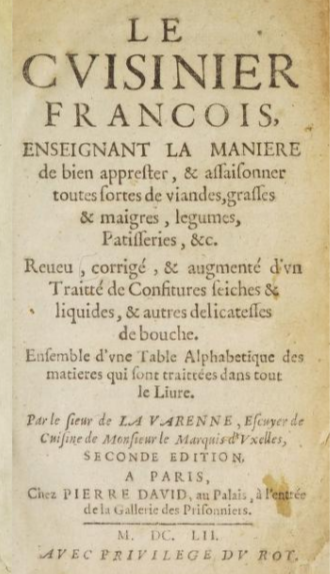
Le Cuisinier François was published in Paris in 1651 and is widely regarded as a turning point in French cookery writing. Earlier French cookbooks owed a great deal to medieval habits, including heavy spicing and sharp, sour flavourings. La Varenne's book, written in French for working cooks, leans instead towards stocks, reductions, herbs and butter, so that a dish tastes more of its main ingredient. It sold well and was reprinted many times in the decades that followed, although sources differ on the exact number of editions. An English translation, The French Cook, was published in London in 1653, which helped carry these ideas across the Channel. Its appearance in the middle of the seventeenth century places it at the start of the tradition that later French chefs would build upon.
Who wrote it
François Pierre de La Varenne is usually dated 1615 to 1678 and is associated with Burgundy. The title page presents him as an écuyer de cuisine, a senior kitchen officer, to the Marquis d'Uxelles, and the mushroom preparation known as duxelles is named after that employer. Few personal details are firmly documented, so his biography is best treated with caution. He is also usually credited with Le Pâtissier françois, first published in 1653, and with a book on preserves, though attribution of those later titles is less certain than for the Cuisinier. What can be said with confidence is that the 1651 book carries his name and that it presents cooking as a craft with method, order and judgement, written by someone who had worked in a large household kitchen.
What's inside
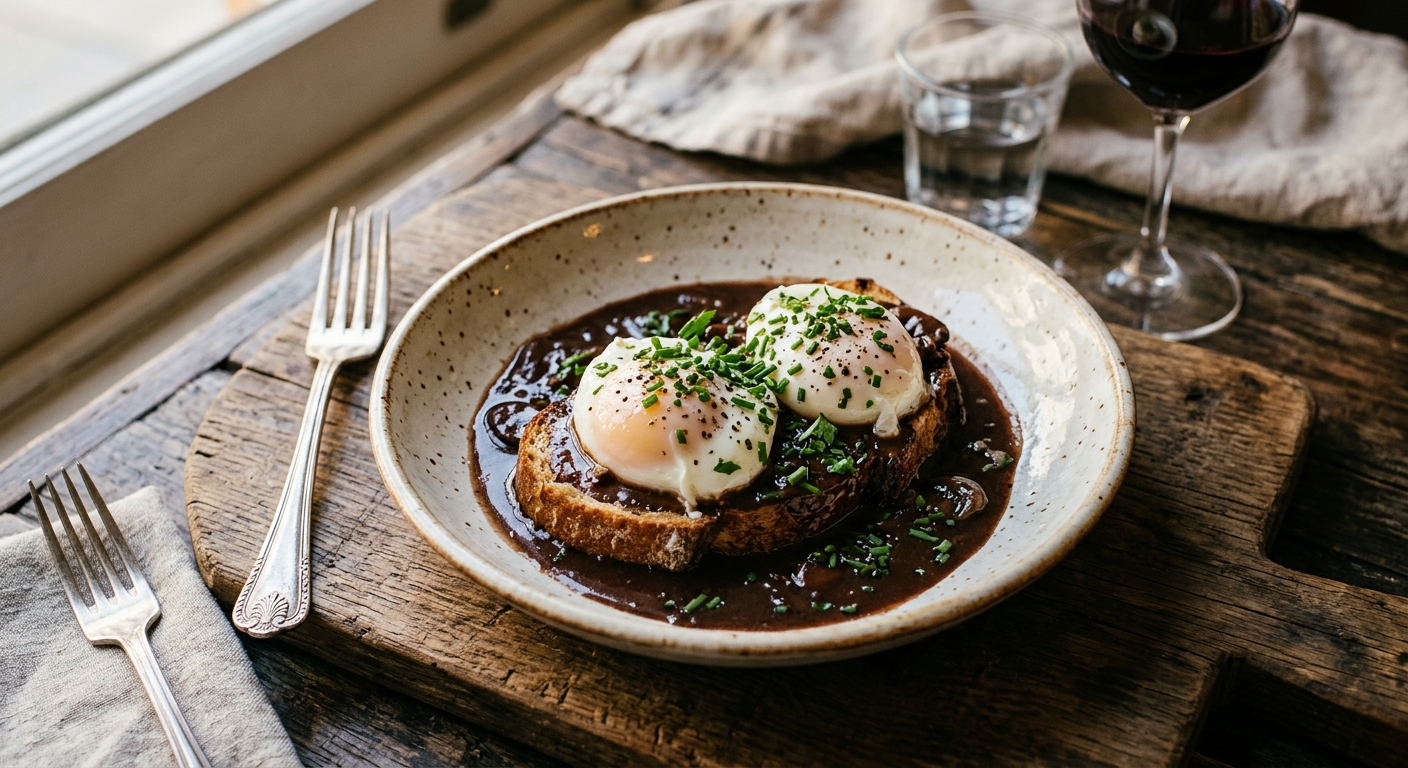
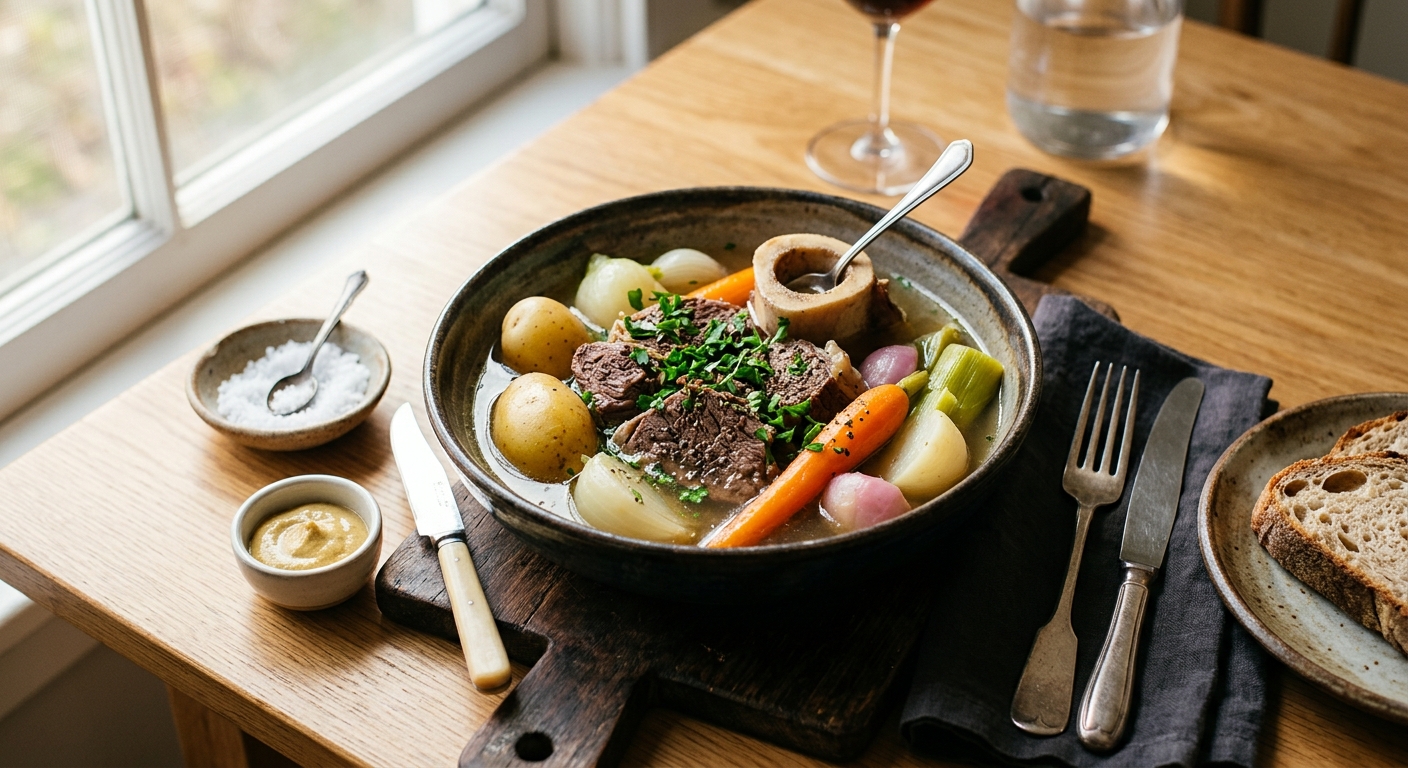
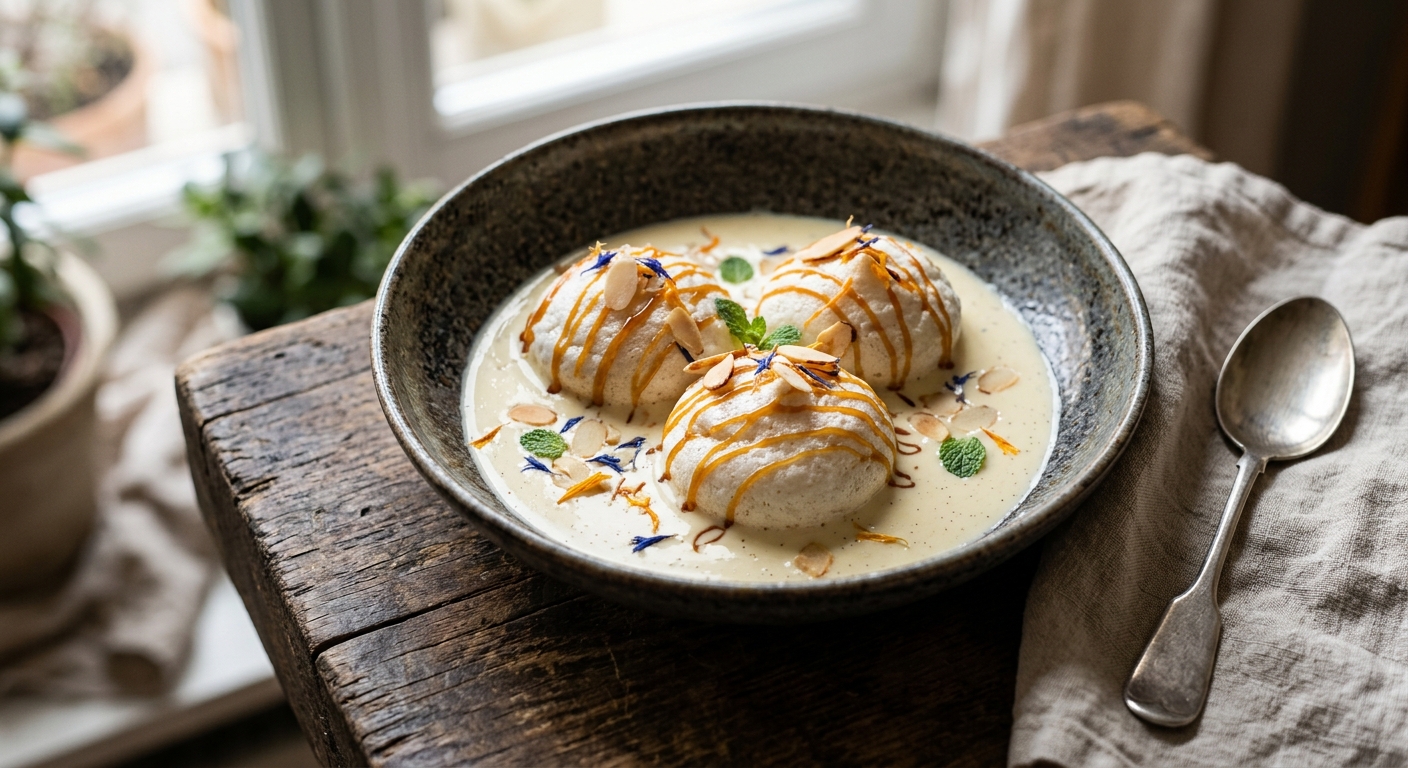
The book includes dishes for meat days and for fast days, when meat was not eaten, which reflects the religious calendar that shaped what people cooked. It covers soups, meat, game, fish, eggs, vegetables and sauces, and its instructions are usually brief and practical, with few exact quantities or timings. Stocks and thickened sauces are central to the method, and ingredients such as mushrooms, capers and fresh herbs appear often. The three recipes Recipe Filer has modernised show some of the range: Oeufs à la Huguenotte for eggs, Pot-au-Feu as a boiled beef dinner, and Œufs à la Neige, known today as a dessert of poached meringue. Our versions are adaptations with modern measures and methods, and they should not be read as word-for-word transcriptions of the 1651 text.
Why it still matters
Le Cuisinier François matters because it shows a cook explaining method rather than simply listing ingredients, and because many of its concerns, such as a well-made stock, balanced seasoning and sauces built on a base, remain at the centre of French cooking. It is also a useful record of how a well-off household in the mid-seventeenth century ate. For a modern cook, the pleasure lies in meeting familiar ideas at an early stage. Reading the original takes patience, since the vocabulary, spelling and measures are unfamiliar, which is why careful adaptations are useful. Recipe Filer's versions aim to keep the spirit of each dish while giving clear quantities, temperatures and timings that work in a home kitchen today.
Recipes from Le Cuisinier François
Frequently asked questions
When was Le Cuisinier François first published?
+
It was first published in Paris in 1651. It was reprinted many times afterwards, and an English translation, The French Cook, appeared in London in 1653.
Who was François Pierre La Varenne?
+
He was a French cook, usually dated 1615 to 1678, who described himself on the title page as a kitchen officer to the Marquis d'Uxelles. Few other details of his life are firmly documented.
Are Recipe Filer's versions exact copies of La Varenne's recipes?
+
No. They are modernised adaptations with current measures, temperatures and timings, written to keep the spirit of each dish rather than to reproduce the 1651 wording.