Historical cookbook
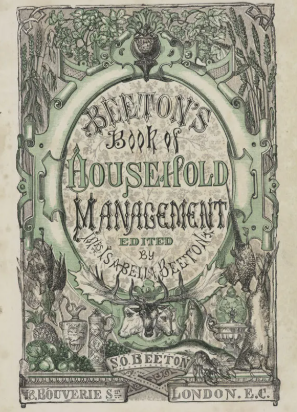
Book of Household Management: Mrs Beeton's Victorian Kitchen
Isabella Beeton's 1861 guide to running a Victorian home and kitchen, and the recipes we have modernised.
The story behind the book
Book of Household Management was published as a single volume in 1861 by S. O. Beeton in London, after appearing in monthly parts from 1859 as supplements to The Englishwoman's Domestic Magazine. It was written for the Victorian middle-class household, where a growing number of families employed a few servants and needed guidance on managing them, as well as on feeding everyone well and economically. The book runs to more than 1,000 pages and covers far more than cookery, with chapters on the duties of the mistress, the management of servants, and the care of children and the sick. Cookery nonetheless makes up the bulk of it.
Who wrote it
Isabella Beeton was born in London in 1836 and married the publisher Samuel Beeton in 1856. She was in her early twenties when the monthly parts began, and she also worked as an editor and contributor on her husband's magazines. She died in 1865, aged 28, shortly after the birth of her fourth child, so she never saw the book's long afterlife. Later research, notably Kathryn Hughes's 2005 biography, showed that many recipes were adapted from earlier cookery writers and from contributions sent in by readers, rather than being wholly original. Her real achievement lay in gathering, organising and presenting this material clearly. The popular image of Mrs Beeton as a stern, elderly matron is therefore misleading; she was a young professional journalist.
What's inside
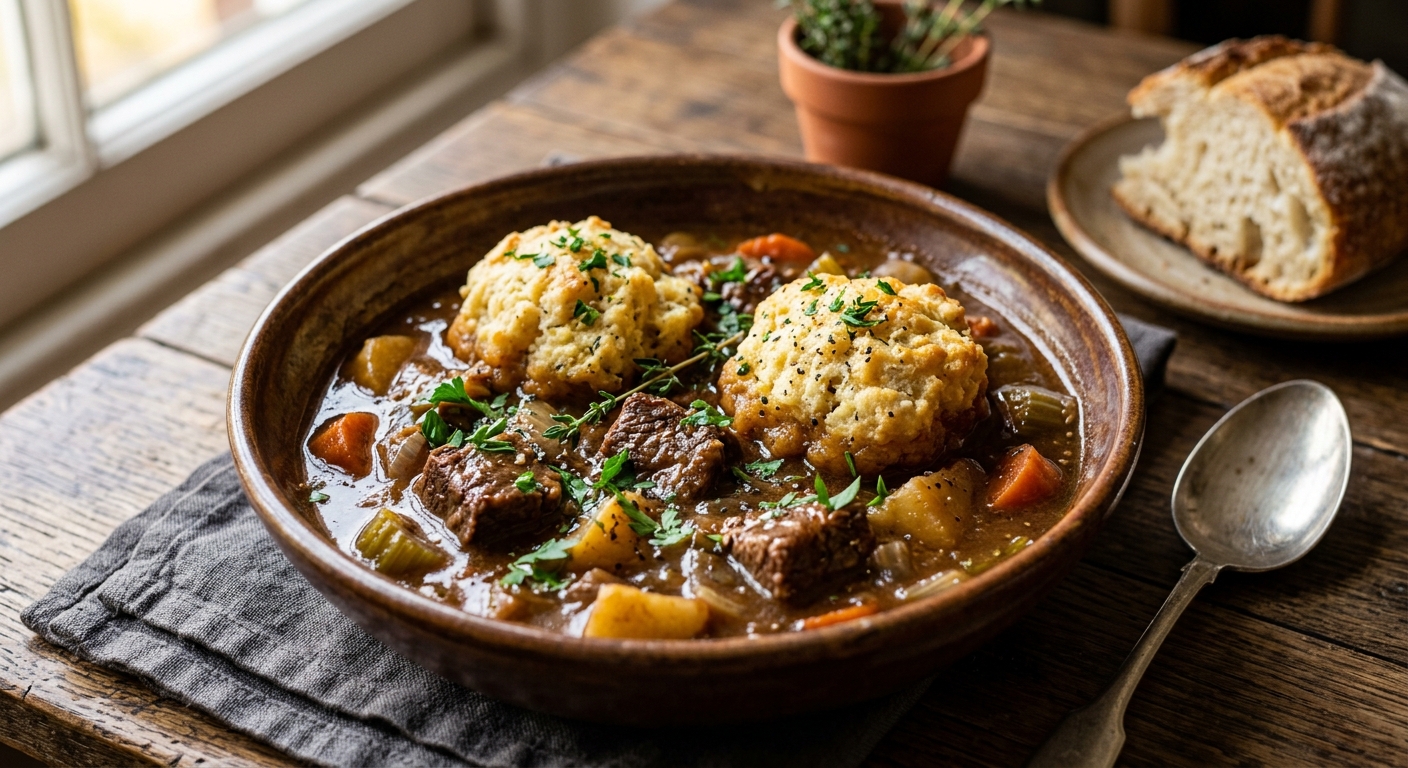
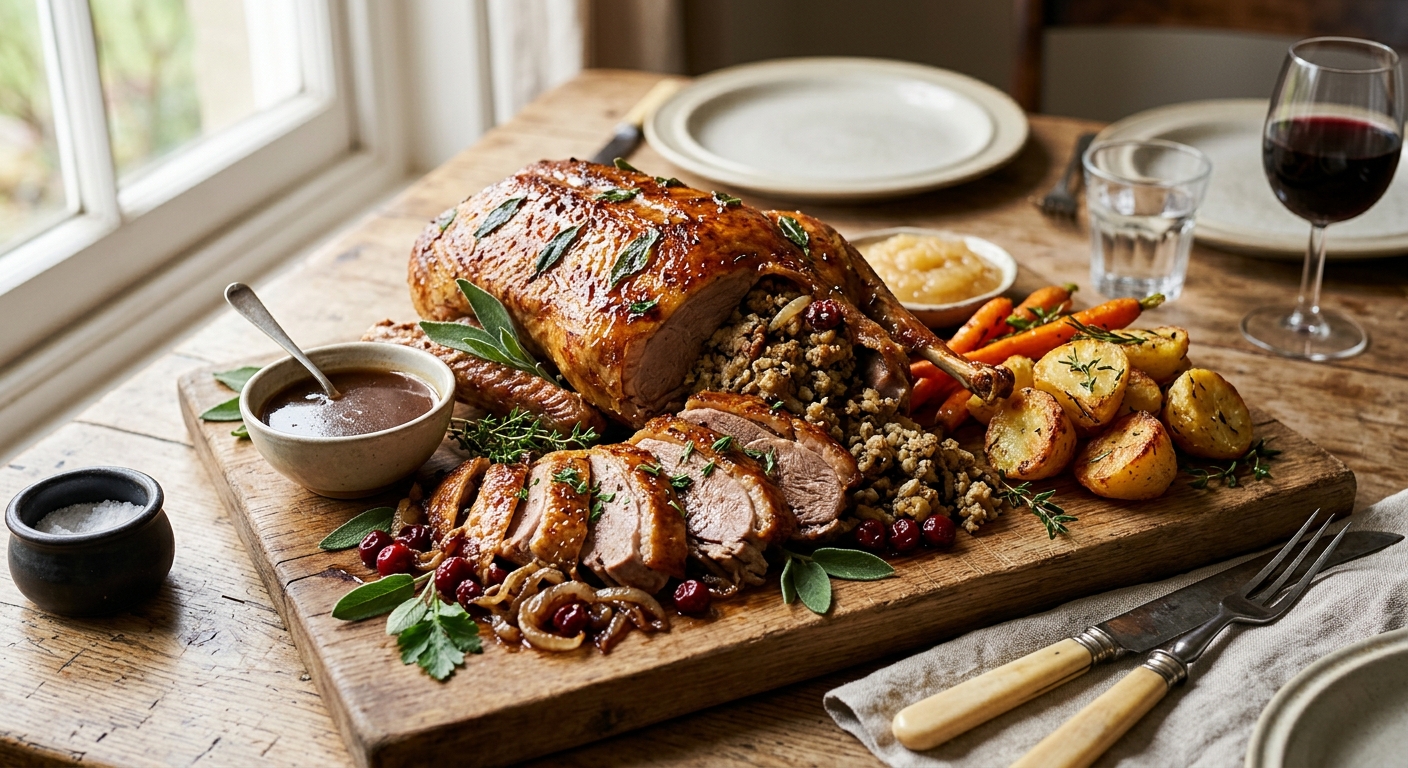
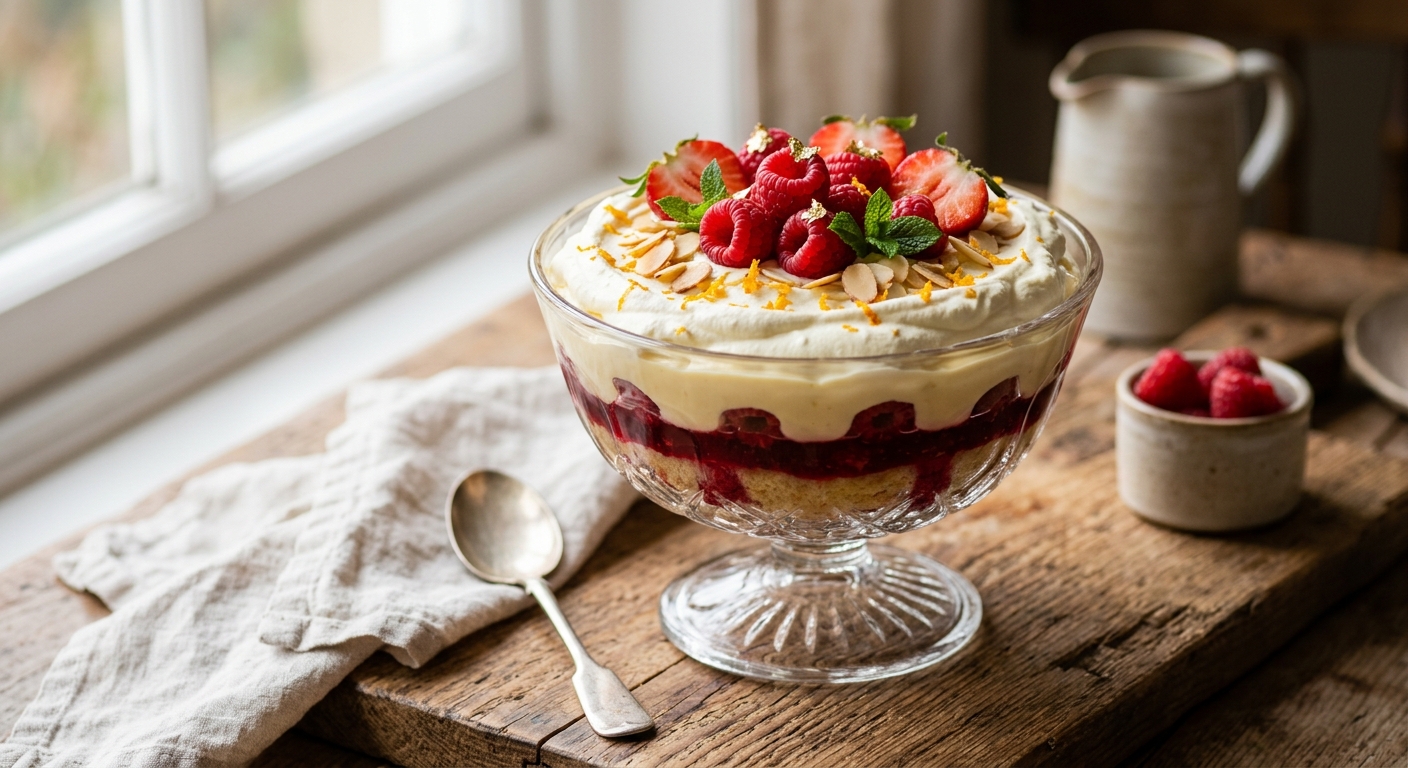
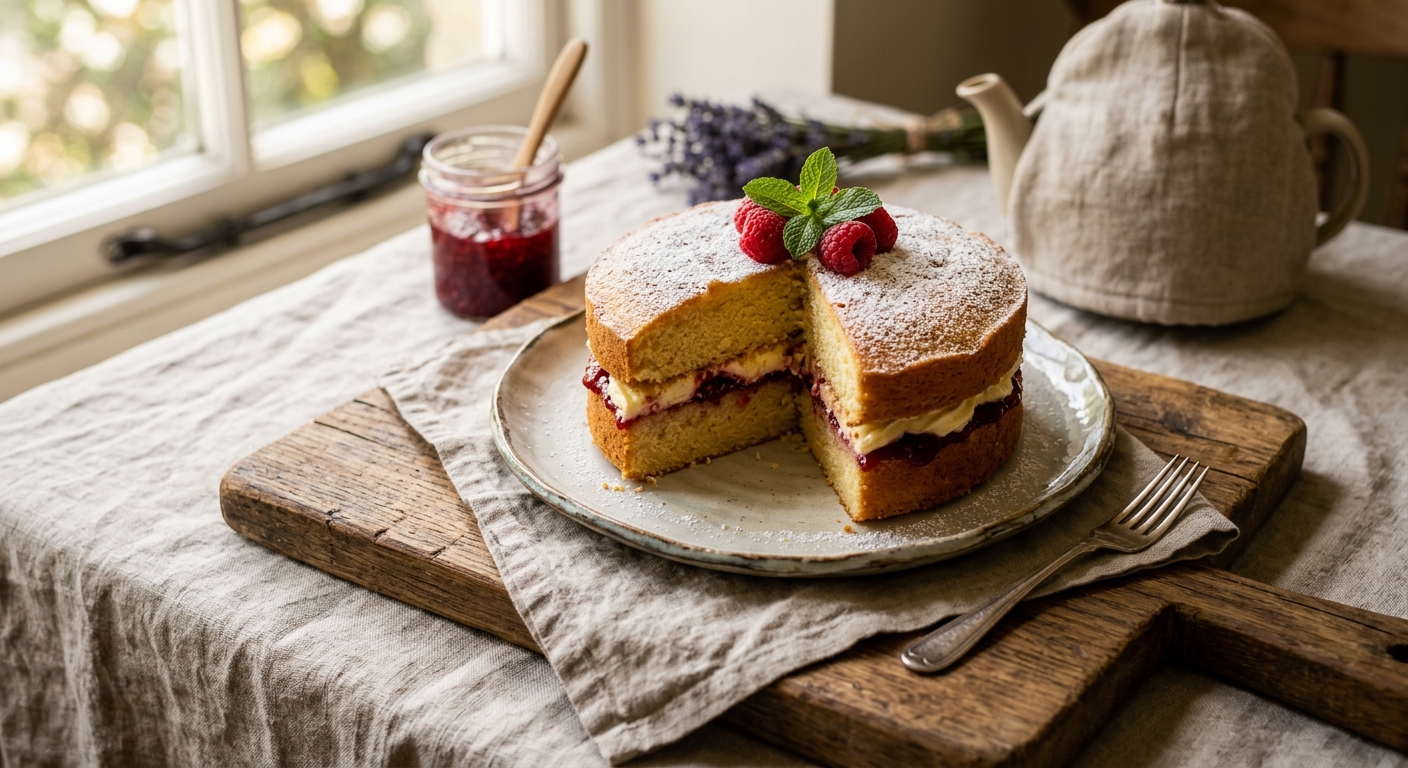
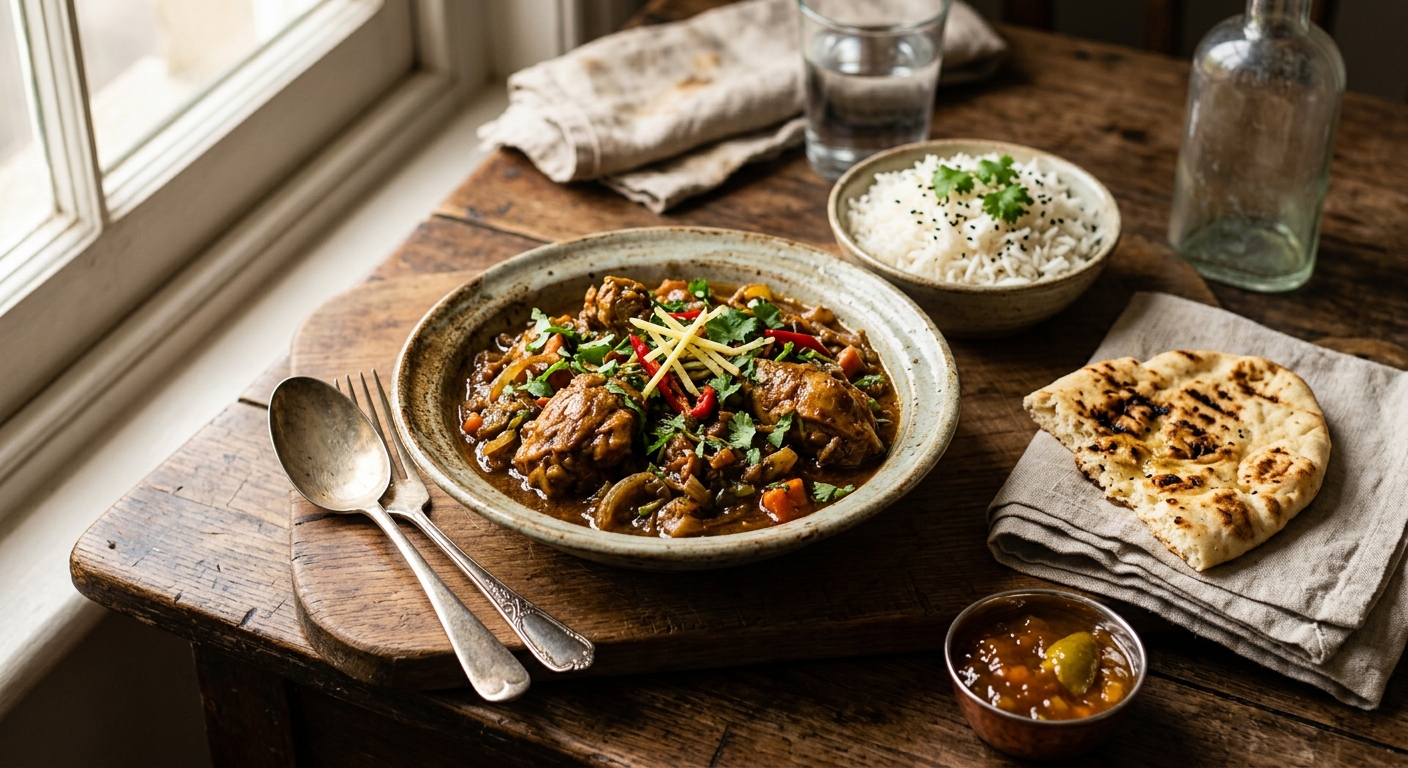
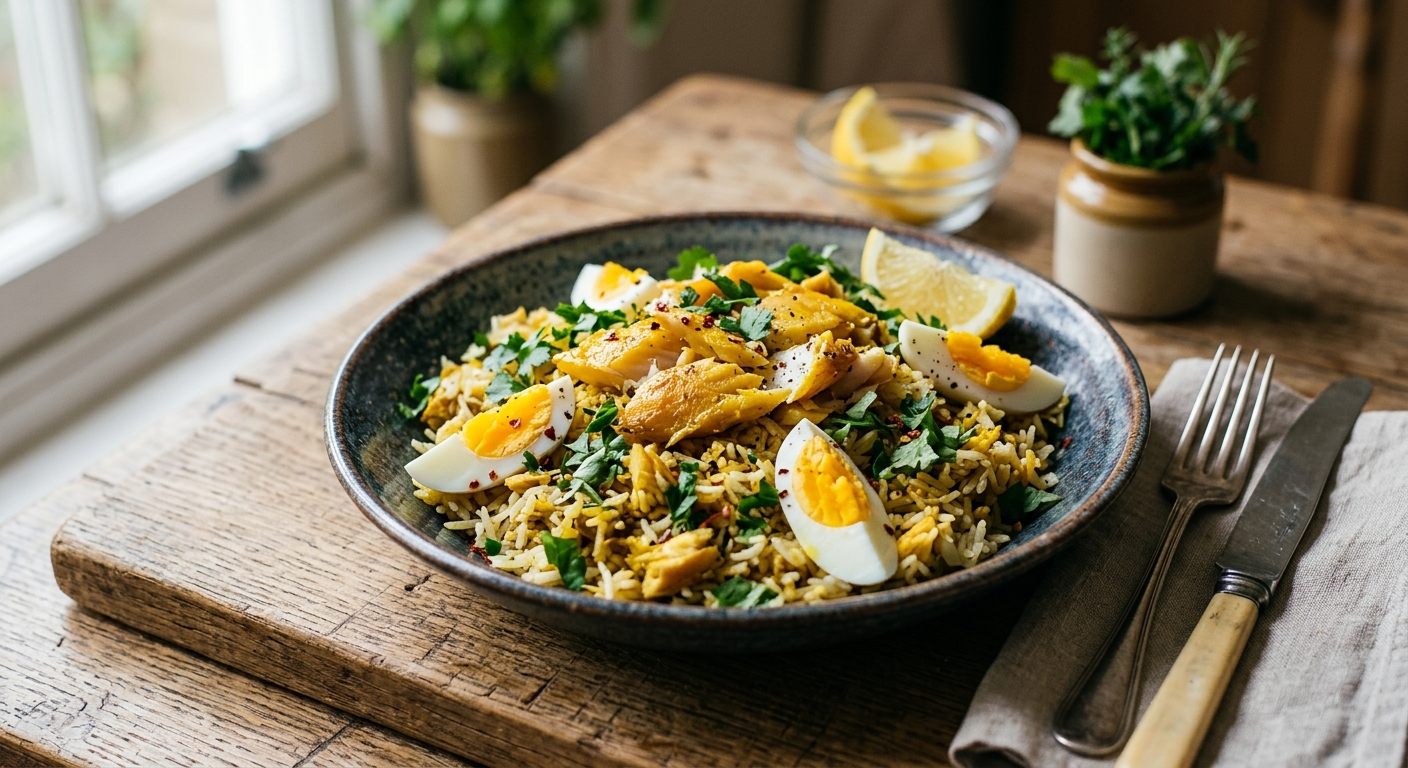
Its most influential innovation was the layout of its recipes. Ingredients are listed first, followed by the method, with an estimate of the time needed, the average cost, the number of people served and the season when the dish is at its best. This format, now so familiar that we scarcely notice it, made the recipes far easier to follow and plan around. Chapters often open with general remarks on the foods or methods concerned before the recipes begin. Beyond the cooking, the book offers advice on kitchen arrangements, marketing, carving, menus and dinner etiquette, along with sections on domestic law and medicine. The dishes reflect the Victorian table: roasts, stews and puddings, cakes, jellies and creams, and curries, which had by then become part of British home cooking through the country's long connections with India. The recipes Recipe Filer has modernised, from beef stew with dumplings and roast goose to trifle, a sponge sandwich, a fowl curry and kedgeree, are inspired by this tradition and show how wide its range was.
Why it still matters
The book gave British home cooking a template that publishers followed for generations, and the name Mrs Beeton became shorthand for reliable domestic guidance long after her death, through many revised editions that differ considerably from the 1861 text. For the food historian it is a detailed record of what a middle-class household expected to cook, buy and serve in the early 1860s, including prices and seasons. Its tone, practical and quietly bossy, is part of its enduring appeal. Modern cooks should note that nineteenth-century methods and measures need adjusting: ovens, flour, sugar and cuts of meat have all changed, and some instructions assume servants and open ranges. Modernising a Beeton recipe means keeping its character while making the timings and quantities work in a present-day kitchen.
Recipes from Book of Household Management
Frequently asked questions
Who wrote the Book of Household Management?
+
It was written by Isabella Beeton, who was in her early twenties when it began appearing in monthly parts. It was published by her husband, Samuel Beeton.
When was Mrs Beeton's Book of Household Management first published?
+
It first appeared in monthly parts from 1859 and was published as a single volume in 1861.
Did Mrs Beeton create all the recipes herself?
+
No. Many were adapted from earlier cookery writers or sent in by readers, a fact brought to wide attention by Kathryn Hughes's 2005 biography. Her skill lay in organising and presenting them clearly.