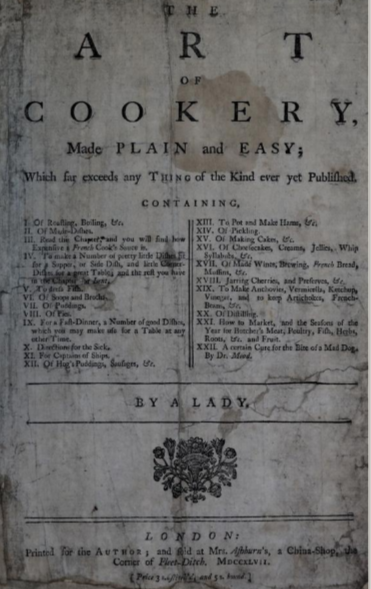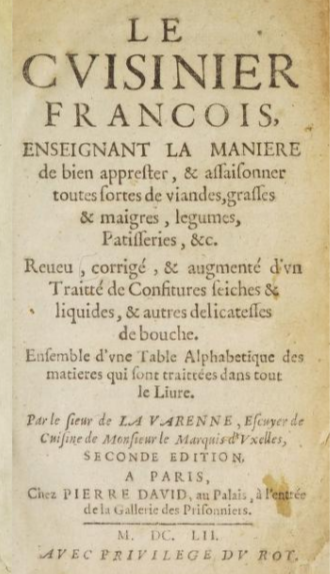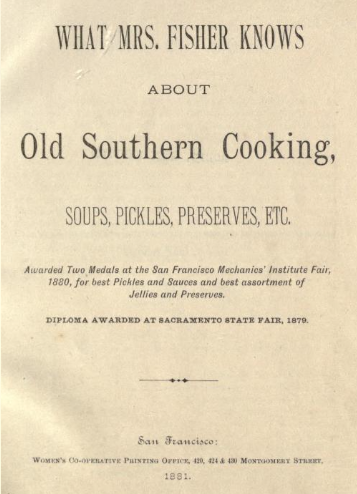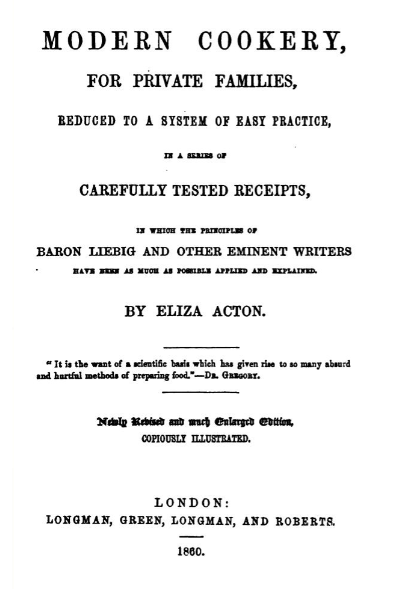
Historical cookbook
La Scienza in Cucina: Artusi's Italian Kitchen Classic
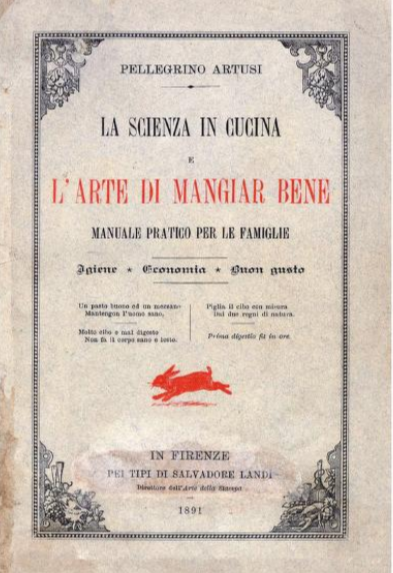
Pellegrino Artusi's 1891 cookbook, which brought regional Italian home cooking together in one book.
The story behind the book
*La Scienza in Cucina e l'Arte di Mangiar Bene*, usually translated as *Science in the Kitchen and the Art of Eating Well*, was first published in Florence in 1891. Artusi struggled to interest publishers in the manuscript, so he paid for the first edition himself. It began with 475 recipes and was expanded and revised through many editions in his lifetime, reaching 790 recipes by the time of his death in 1911.
The timing matters. Italy had been politically unified only three decades earlier, and cooking still varied sharply from one region to the next. Artusi wrote in clear, conversational Italian for the home cook, and he placed dishes from Romagna, Tuscany and elsewhere side by side in a single volume.
Who wrote it
Pellegrino Artusi was born in 1820 in Forlimpopoli, in Romagna. He made his living as a merchant and moved to Florence in 1851, following a notorious bandit raid on his home town. Once he had made enough money to retire, he turned to writing. His earlier work was literary criticism rather than cookery, and that background shows in the book's lively, sometimes wry prose.
Artusi was a gifted amateur, not a professional chef. He credited his household cooks, the Tuscan Marietta Sabatini and the Romagnol Francesco Ruffilli, as important collaborators, and he tested and refined dishes at home. That domestic perspective gives the book its practical, reassuring tone.
What's inside
The recipes are arranged broadly by the courses of a meal, moving through soups and sauces to roasts, vegetables, pastries and sweet dishes. Instructions are brief by modern standards, so a cook is expected to use judgement. Many entries carry a short headnote with an anecdote, an opinion or a note on where the dish came from.
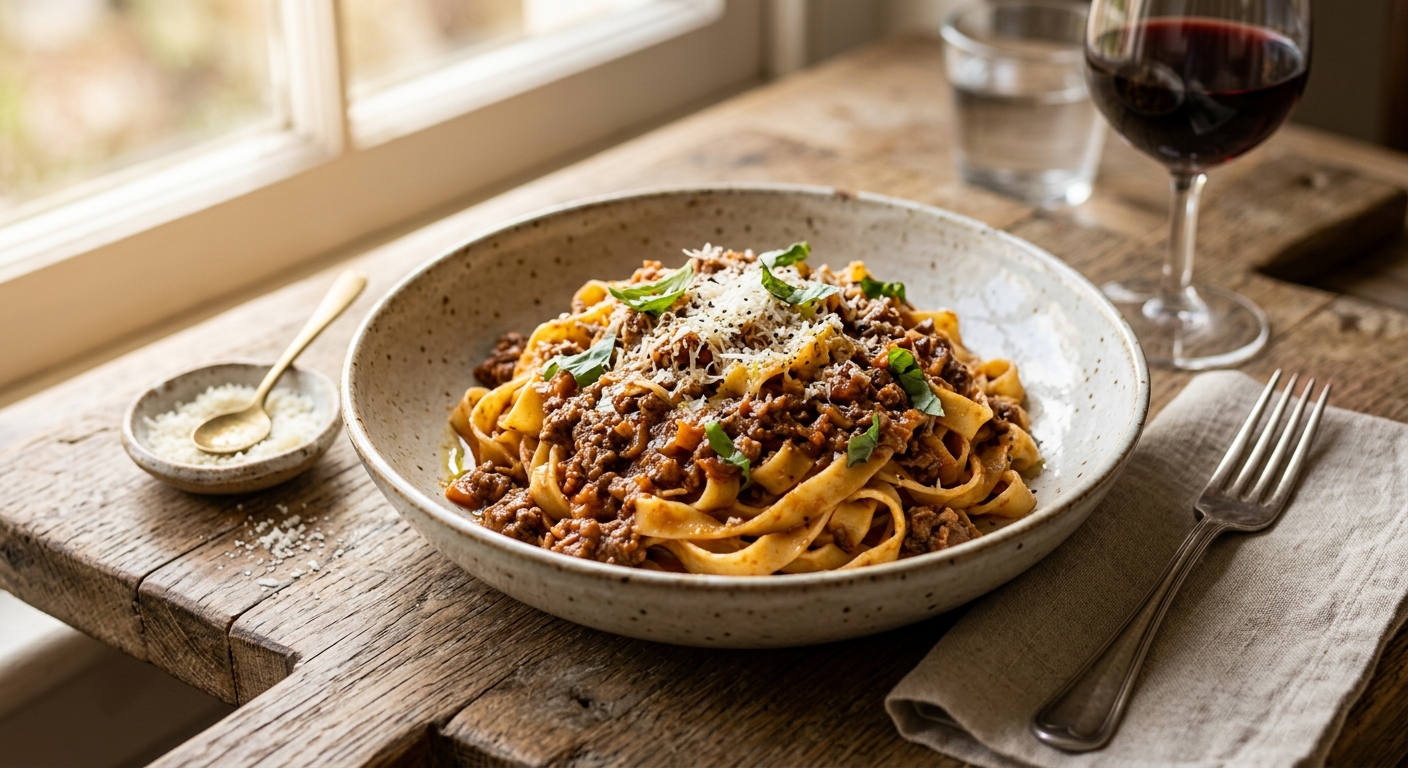
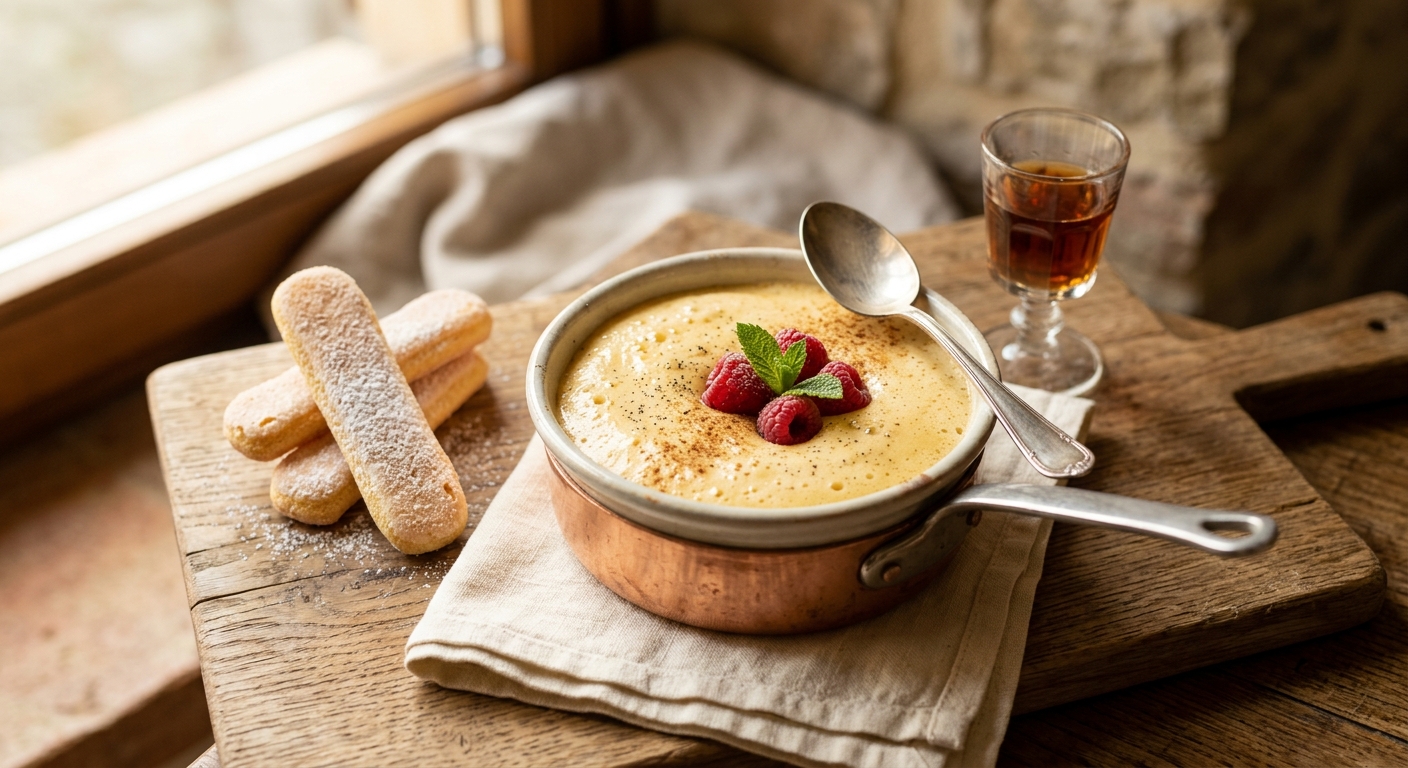
Two of our modernised recipes draw on this tradition. Our Ragù alla Bolognese (Artusi 1891) updates a slow-cooked meat sauce with modern measures and clearer method. Our Zabaglione (Artusi Style) is a contemporary version of the classic whipped egg yolk dessert, written in the spirit of the book rather than as a word-for-word transcription.
Why it still matters
Artusi's book is widely regarded as a cornerstone of Italian home cooking. It has stayed in print for well over a century, and it has been translated into English as *Science in the Kitchen and the Art of Eating Well*, with a University of Toronto Press edition appearing in 2003. For historians it is a record of what a middle-class Italian household ate at the end of the nineteenth century.
For cooks, its appeal is plain good sense. The dishes rely on sound technique and decent ingredients rather than showiness, and the author's voice makes even a simple sauce feel like a conversation. That is why recipes from it, like the ragù and zabaglione here, translate so well to a modern kitchen.
Recipes from La Scienza in Cucina
Frequently asked questions
Who wrote La Scienza in Cucina?
+
Pellegrino Artusi (1820–1911), a merchant from Forlimpopoli in Romagna who settled in Florence and wrote the book after retiring from business.
When was La Scienza in Cucina first published?
+
It was first published in 1891 in Florence, at Artusi's own expense after publishers showed little interest.
What does La Scienza in Cucina mean in English?
+
The full title, La Scienza in Cucina e l'Arte di Mangiar Bene, means Science in the Kitchen and the Art of Eating Well.