Historical cookbook
De Re Coquinaria: Apicius and the Roman Kitchen on the Page
A Roman cookery collection attributed to Apicius and compiled in late antiquity, around the 4th to 5th century AD.
The story behind the book
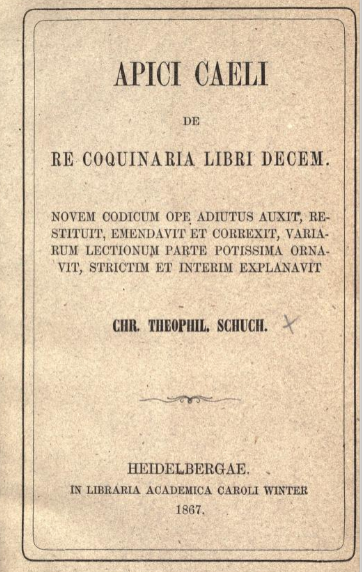
De Re Coquinaria, Latin for roughly "On the Subject of Cooking", is the most substantial cookery collection to survive from the Roman world. It is usually called simply Apicius. Catalogues sometimes give a nominal date at the very start of the Roman Empire, but that is not how scholars see it. The text we have is generally thought to be a compilation put together in late antiquity, around the 4th or 5th century AD, probably drawing on older recipes and earlier collections.
The book did not reach us in an ancient copy. It survives through medieval manuscripts, the earliest of them usually dated to about the 9th century. Because the text was copied by hand over many centuries, some passages are corrupt or obscure, and translators still disagree about certain ingredients and instructions.
Who wrote it
The name on the book belongs to Marcus Gavius Apicius, a Roman gourmet associated with the reign of Tiberius in the 1st century AD. Later writers, including Seneca and Martial, treat him as a byword for luxurious eating. Whether he wrote any of the recipes is doubtful. The most cautious view is that his name was attached to a collection by later compilers, whose identities are unknown, much as a famous name might sell a cookbook today.
This matters for how we read the recipes. They are best understood as the work of several hands, reflecting the cooking of wealthy households over a long period rather than one person's kitchen.
What's inside
The surviving text is divided into ten books, most with Greek titles. These cover subjects such as meat chopped and shaped by hand, gardens and vegetables, pulses, poultry, four-footed animals, and fish and seafood. There are also sauces and dishes for the household cook, and others aimed at lavish dining.
The recipes are brief and rarely give quantities, times or temperatures. They assume a cook who already knows the basics. Flavouring is bold: pepper, cumin, lovage, herbs, honey, vinegar, reduced grape must and the fermented fish sauce known as garum or liquamen appear again and again, often balancing sweet, sour and salty in a single dish.
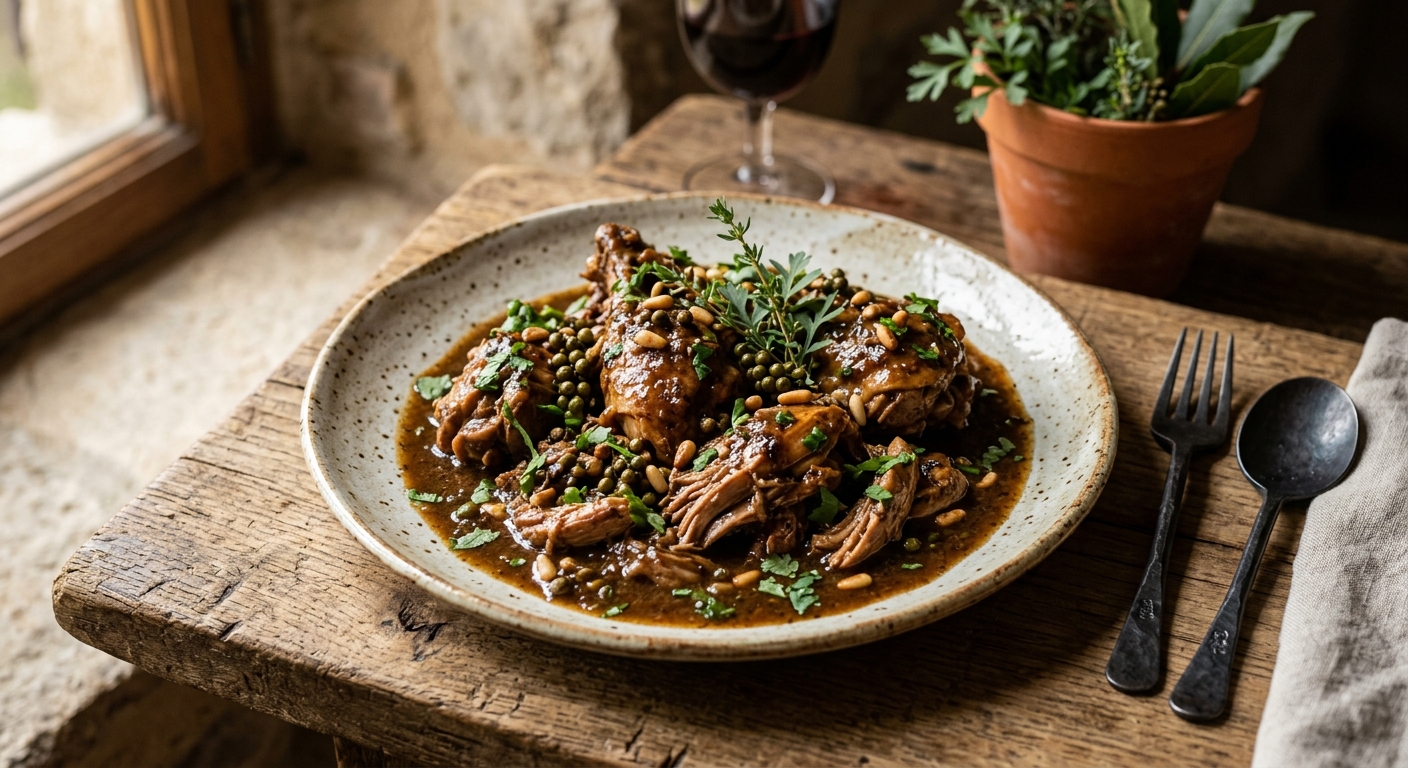
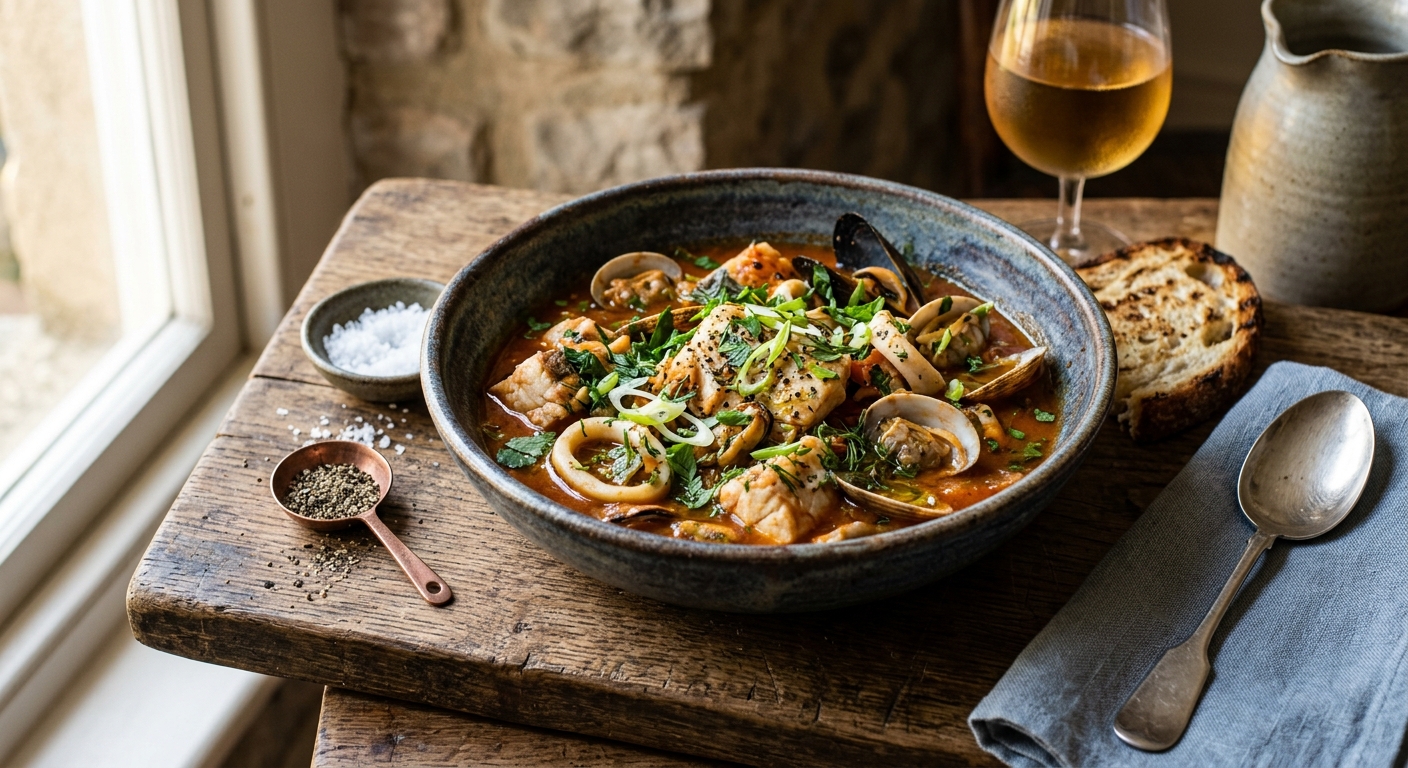
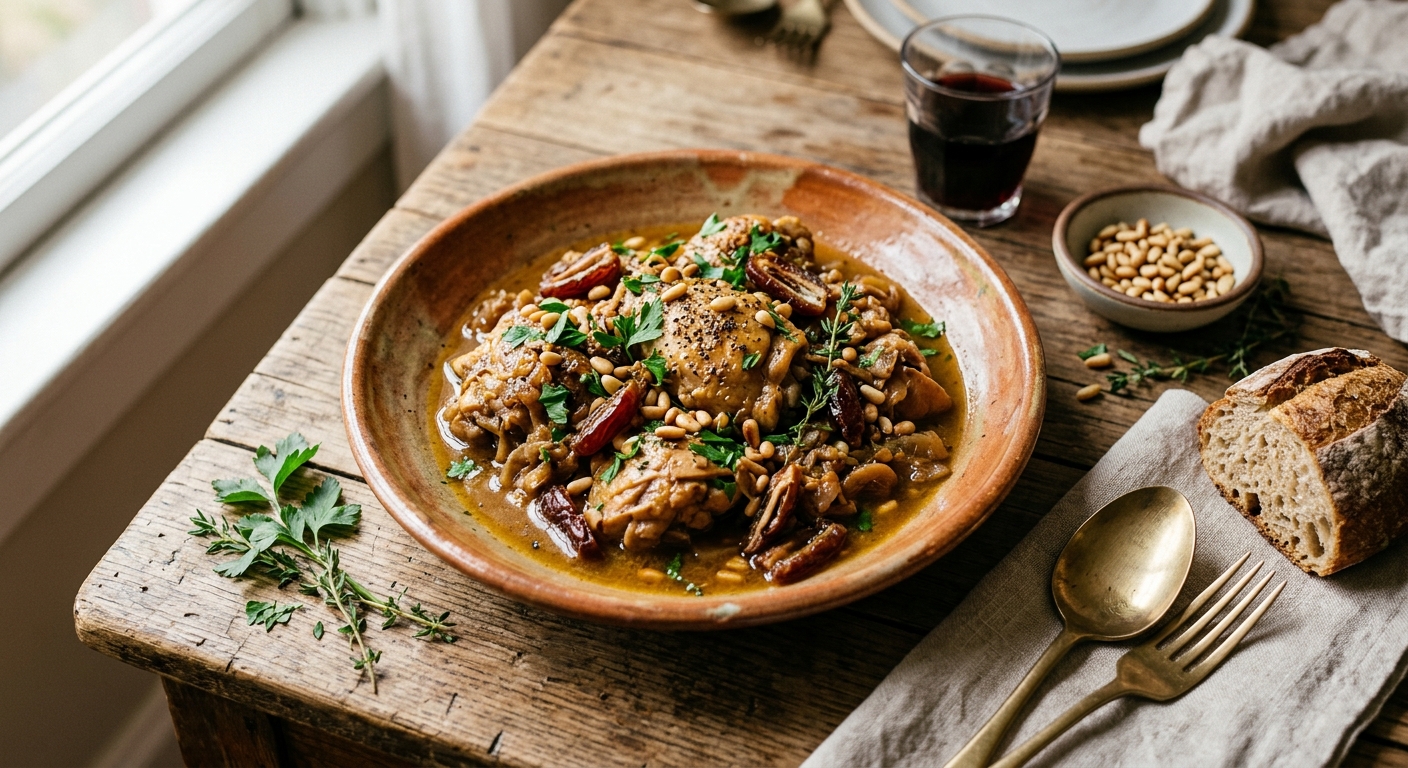
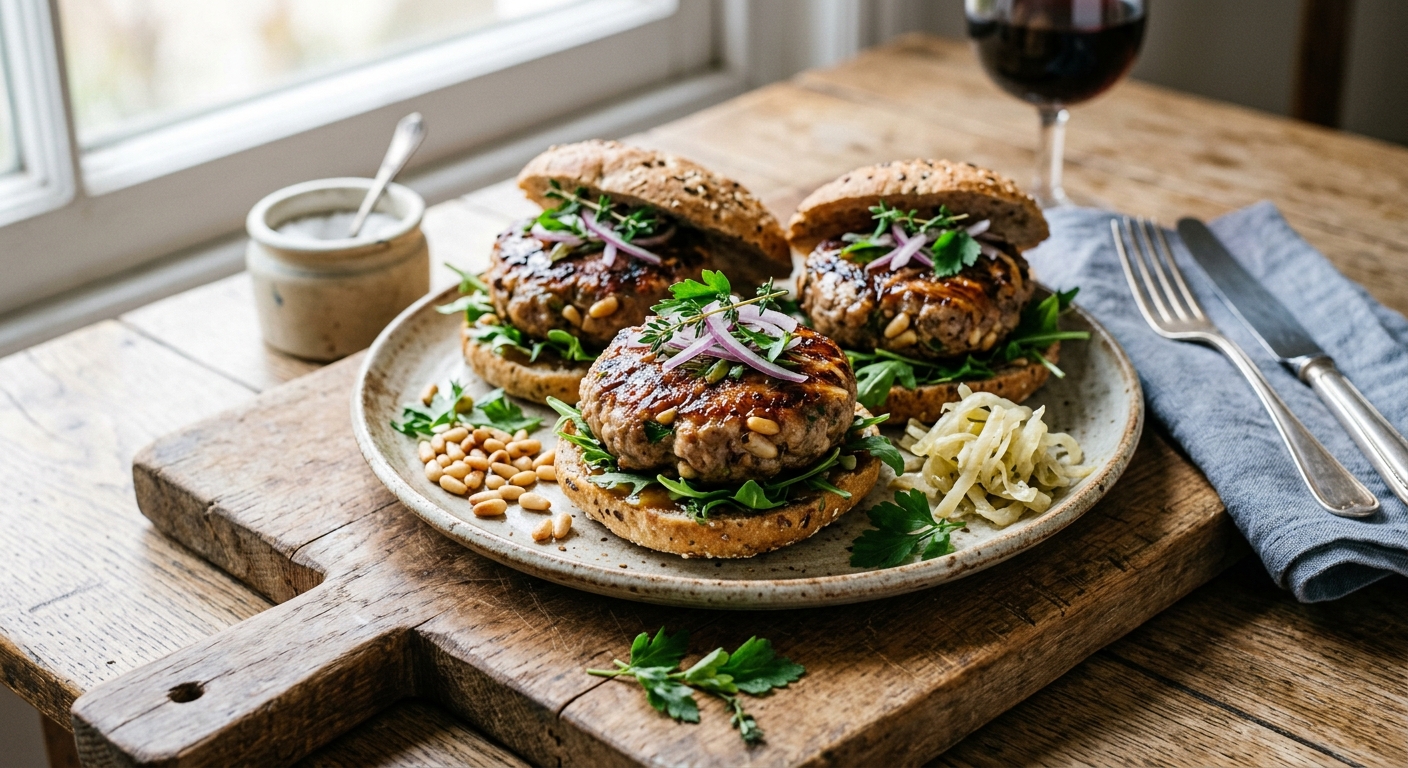
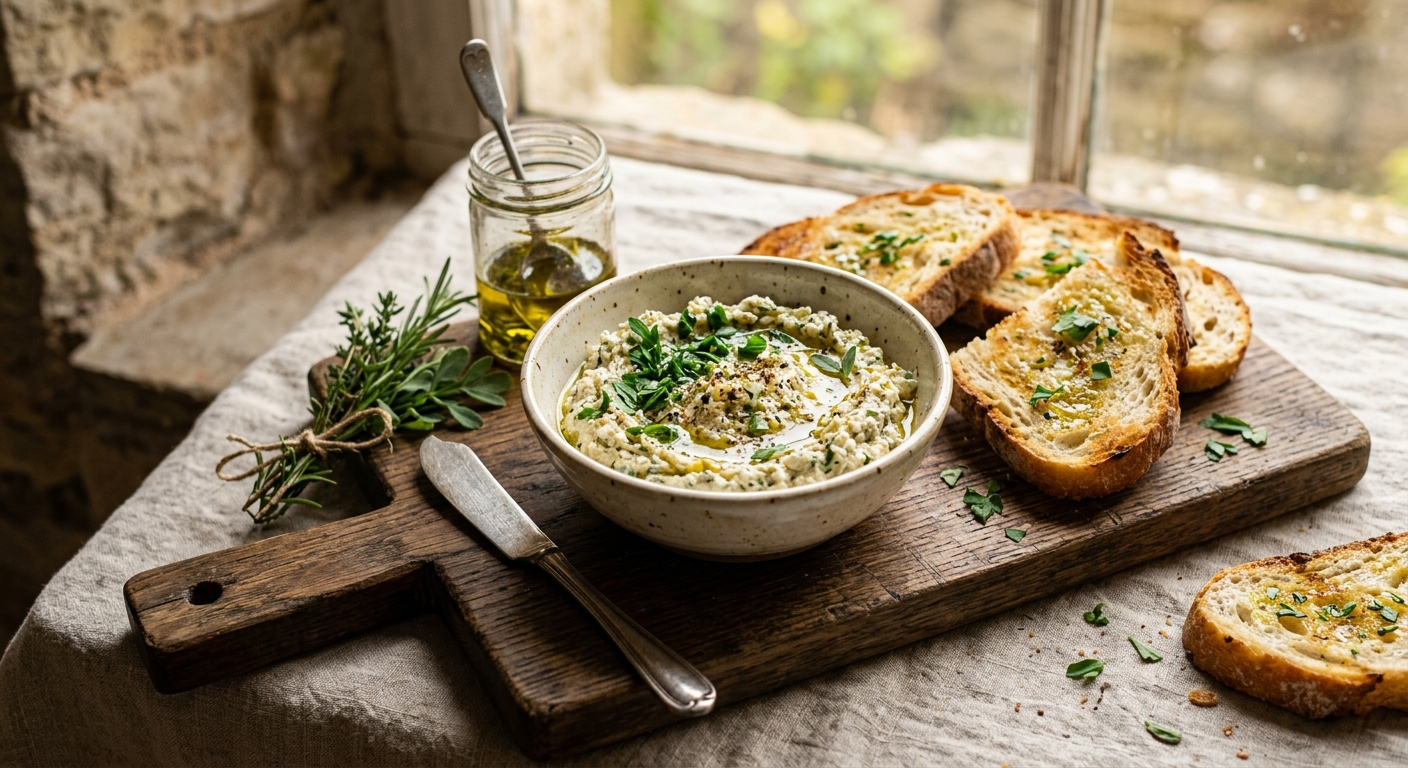
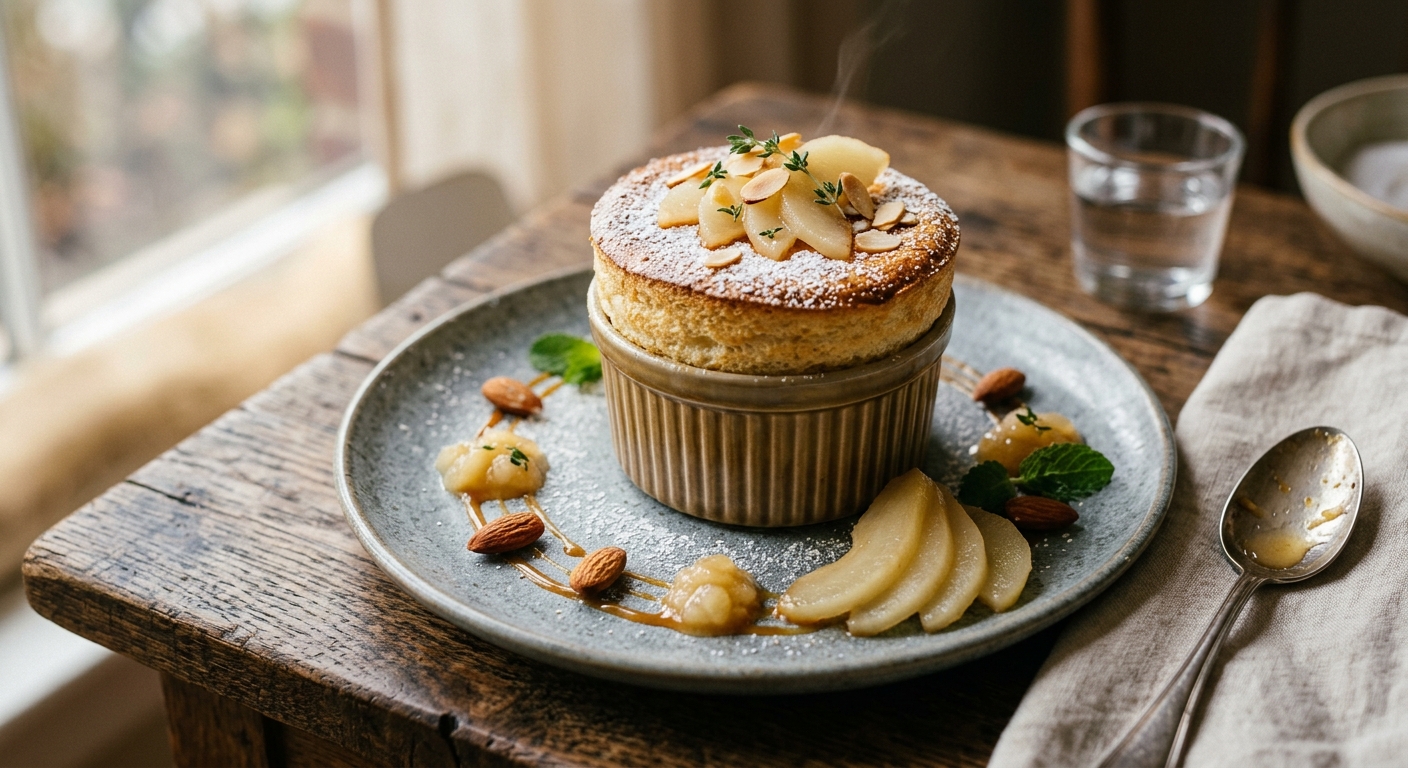
The modernised recipes on Recipe Filer reflect this range. They include a sauce for boiled chicken, a seafood mince, an everyday patina (a baked or set dish, somewhat like a savoury custard or casserole), the cold bread-and-cheese dish sala cattabia, and meat patties known as isicia omentata. A pear patina and a herbed cheese spread, moretum, round out the selection, though moretum is better known from a Latin poem than from this book.
Why it still matters
Apicius is a rare direct source for what Romans ate and how they thought about flavour. It lets food historians compare it with agricultural writers, satirists and archaeological evidence, and it shows how ingredients from across the empire were combined at the table.
It is also a challenge for the modern cook. With so little guidance on measurements, every adaptation involves judgement and some experiment. Translations by Joseph Dommers Vehling, by Barbara Flower and Elisabeth Rosenbaum, and by Christopher Grocock and Sally Grainger offer different readings. Cooking from the book is therefore as much interpretation as reproduction, and that is part of its lasting appeal.
Recipes from De Re Coquinaria

Frequently asked questions
Who wrote De Re Coquinaria?
+
It is traditionally credited to Apicius, a Roman gourmet of the 1st century AD, but the surviving text is generally regarded as a later compilation by unknown editors.
When was De Re Coquinaria written?
+
The collection is usually dated to late antiquity, around the 4th or 5th century AD, though it contains older material. The earliest surviving manuscripts were copied in the medieval period.
Can you cook from Apicius today?
+
Yes, but the recipes give few quantities or timings, so modern versions rely on interpretation. Recipe Filer's adaptations turn them into workable instructions for a home kitchen.