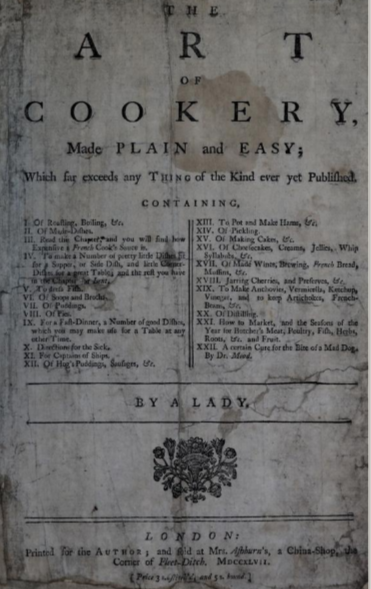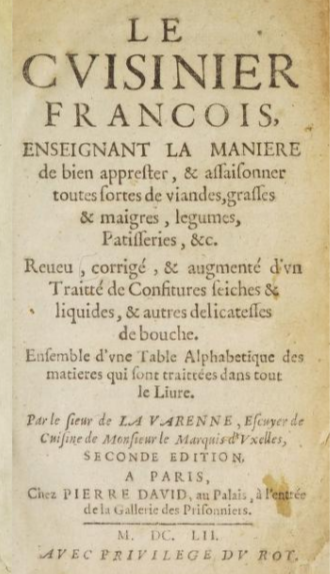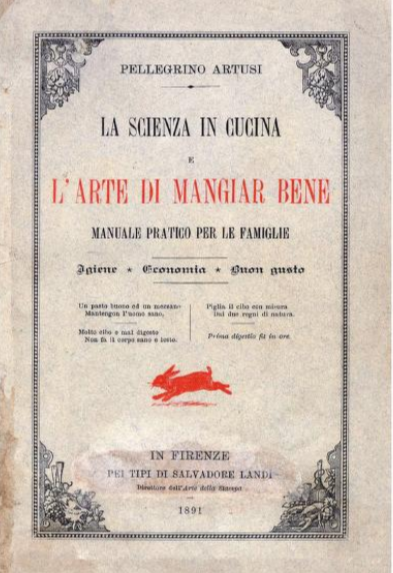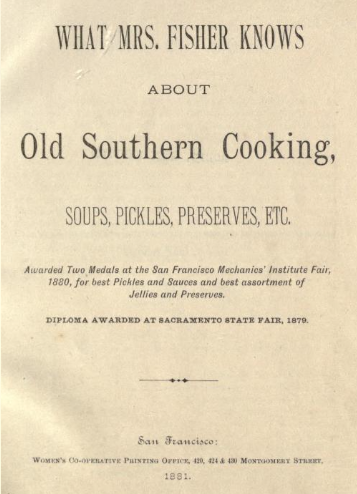
Historical cookbook
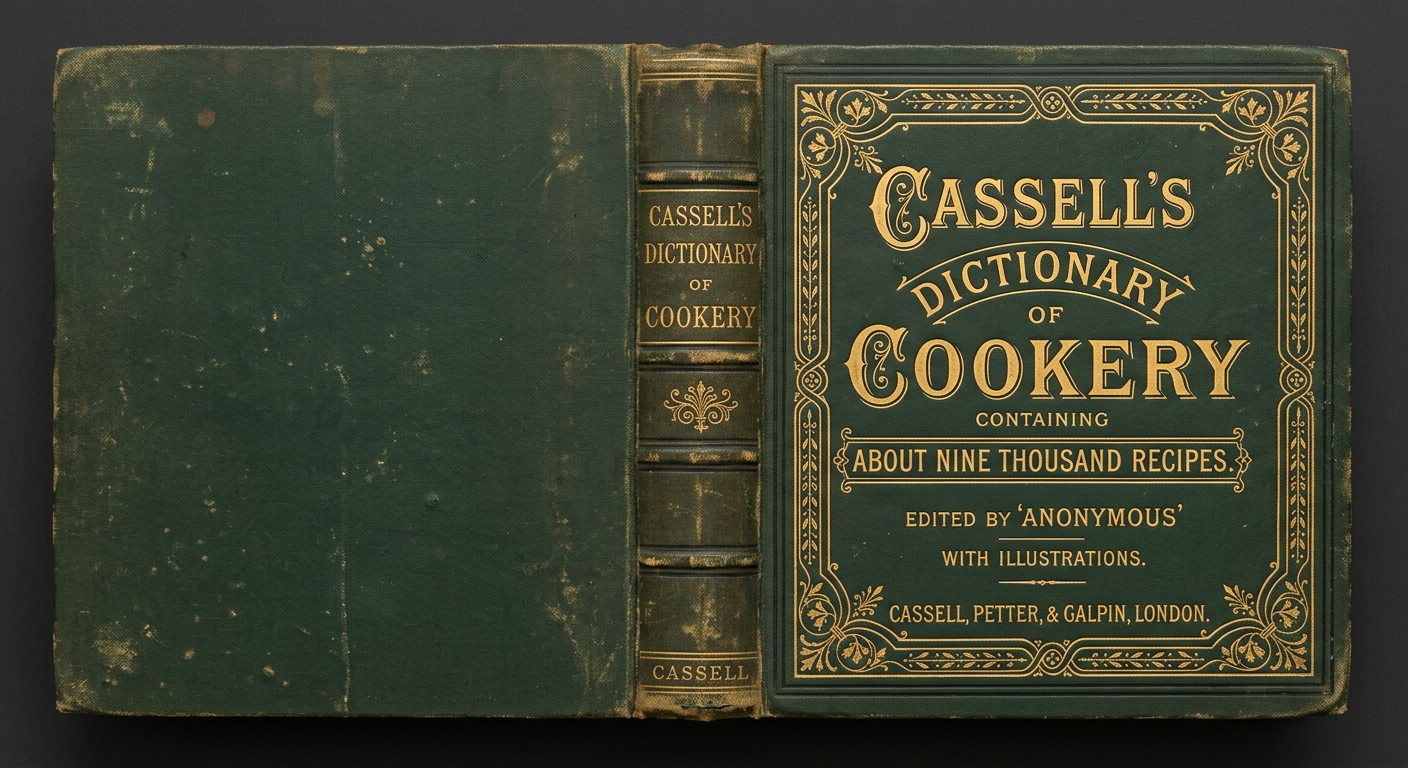
Cassell's Dictionary of Cookery: A Victorian Kitchen A to Z
An anonymous alphabetical cookery reference, first published in London in 1875 by Cassell.
The story behind the book
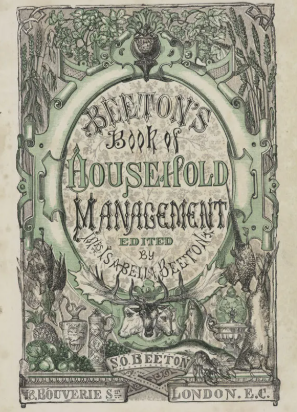
Cassell's Dictionary of Cookery was published in London by Cassell, a firm that built its name on affordable, instructive books for the expanding Victorian reading public. The book first appeared in 1875, roughly fourteen years after Isabella Beeton's Book of Household Management had shown that a large, comprehensive domestic reference could find a wide audience. Rather than following the order of a meal or the turn of the seasons, the Dictionary is arranged alphabetically, so a cook could look up an ingredient, a dish or a technique much as they would a word in a lexicon. The scale was part of the appeal: the title page is usually quoted as promising about nine thousand recipes, which placed it among the most ambitious kitchen reference works of its day.
Who wrote it
No author is named, and the book is catalogued as Anonymous. That was not unusual for reference works produced under a publisher's imprint, where editors and contributors worked behind the house name. We therefore cannot say who compiled any individual entry, including the one for ratafia cakes, and it would be wrong to guess. Anyone citing the book should credit the publisher, and treat claims about a named compiler with caution. What the text does show is the practical, instructive voice of Victorian domestic writing, aimed at cooks and housekeepers who needed clear directions more than literary flourish. Its authority came from the Cassell name and from sheer breadth rather than from a single personality in the kitchen.
What's inside
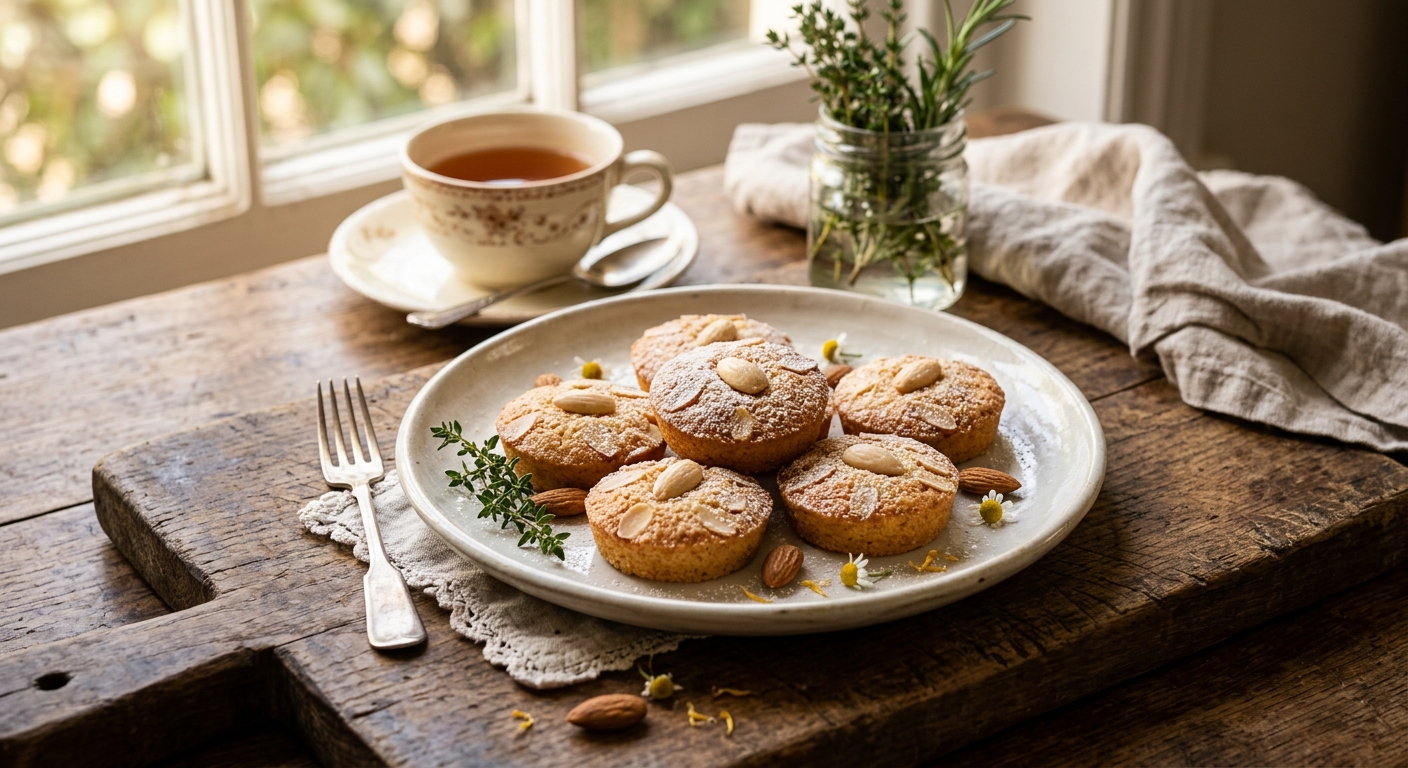
As a dictionary, the book mixes recipes with definitions, covering meat, fish, game, vegetables, sauces, puddings, pastry, preserves and drinks, alongside explanations of cookery terms. Ratafia cakes sit in the confectionery and small-baking corner of that range. They are small, crisp, almond-flavoured biscuits, close kin to macaroons, traditionally made with ground almonds, sugar and egg white and often scented with bitter almonds or almond essence. The name is shared with ratafia, a sweet cordial flavoured with almonds or fruit kernels, and the biscuits were long served alongside desserts or used to line and flavour trifles. Recipe Filer's modernised Cassell's Ratafia Cakes keeps that character while converting the period instructions into metric weights, oven temperatures and clear steps for a home kitchen.
Why it still matters
The Dictionary is useful today less as a manual to follow to the letter than as a record of what a British kitchen in the 1870s considered worth knowing. Its entries show which dishes were everyday, which were occasional treats, and how much was expected of a cook working without modern equipment or reliable oven thermostats. For anyone interested in the history of British baking, a small recipe such as ratafia cakes is revealing: it links earlier traditions of almond confectionery to the tea table and the trifle bowl that remain familiar. Reading it alongside Beeton and other contemporaries shows both shared habits and differences of emphasis. Modernising these recipes keeps them in use, while the original book remains a valuable starting point for tracing how Victorian cooking was described, organised and taught.
Recipes from Cassell's Dictionary of Cookery
Frequently asked questions
Who wrote Cassell's Dictionary of Cookery?
+
No author is credited; the book was published anonymously under the Cassell imprint in London, so it is catalogued as Anonymous.
When was Cassell's Dictionary of Cookery first published?
+
It was first published in 1875 in England. It is arranged alphabetically and is usually described as containing about nine thousand recipes.
What are ratafia cakes?
+
Ratafia cakes are small, crisp almond biscuits similar to macaroons, traditionally flavoured with bitter almonds or almond essence and served with desserts or used in trifles.