Historical cookbook
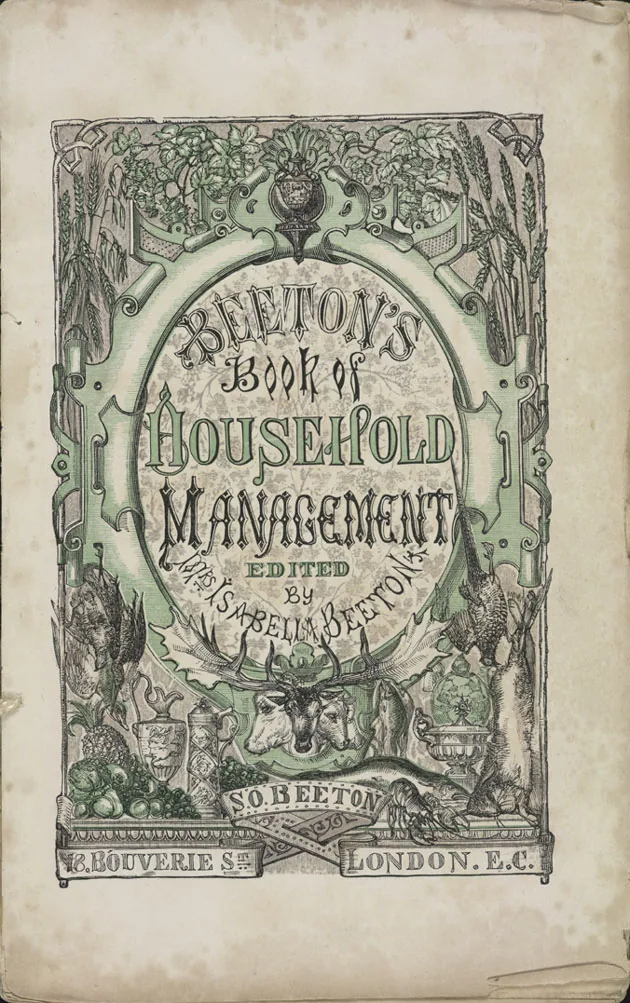
The Book of Household Management: Mrs Beeton's Victorian Guide
Isabella Beeton's 1861 manual for running a Victorian home, and the source of three recipes we have modernised.
The story behind the book
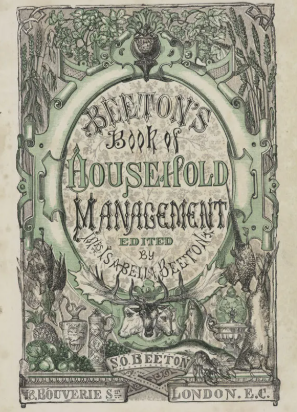
The Book of Household Management reached bookshops in 1861, but it began a couple of years earlier as monthly instalments issued with The Englishwoman's Domestic Magazine, published by Isabella's husband, Samuel Beeton. Gathered into one volume, it ran to well over a thousand pages and was aimed at the mistress of a respectable Victorian home, especially in the growing urban middle class. Its aim was to bring order, economy and good taste to homes where money and help were often limited. Its opening comparison between a mistress and the commander of an army remains one of the most quoted lines in domestic writing. Recipes made up the bulk of the pages, but the book was conceived as a complete manual for running a home, from the kitchen to the nursery and the servants' hall.
Who wrote it
Isabella Mayson was born in London in 1836 and married Samuel Beeton in 1856. She began writing for his magazine soon afterwards and was in her mid-twenties when the book appeared in a single volume. Historians have shown that many of her recipes were adapted from earlier cookery writers and from readers' contributions, so her real achievement lay in gathering, organising and presenting the material clearly rather than inventing every dish. She died in 1865, aged 28, after the birth of her fourth child. Samuel's finances later collapsed, and the rights passed to the publisher Ward Lock, which issued revised editions under the name Mrs Beeton long after her death. As a result, the name came to describe a brand as much as a person.
What's inside
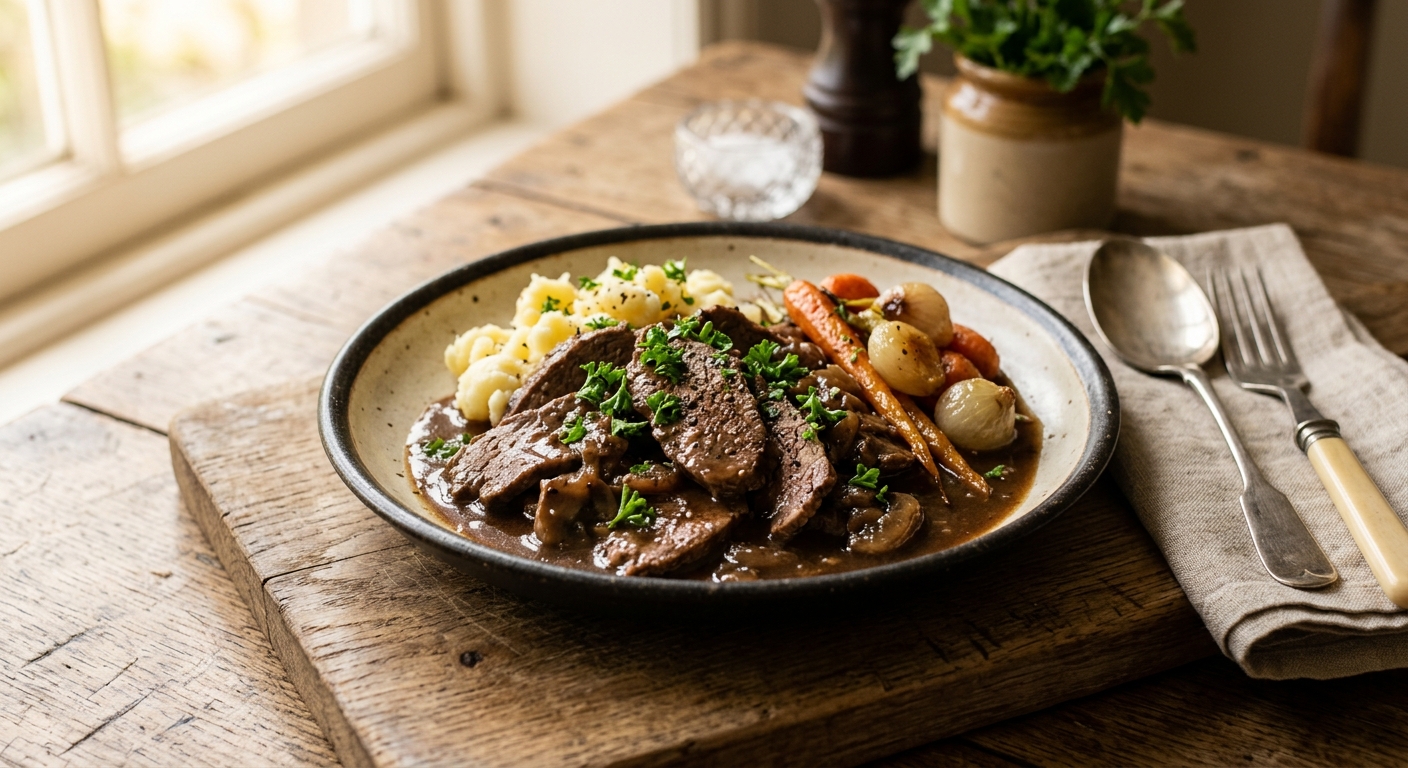
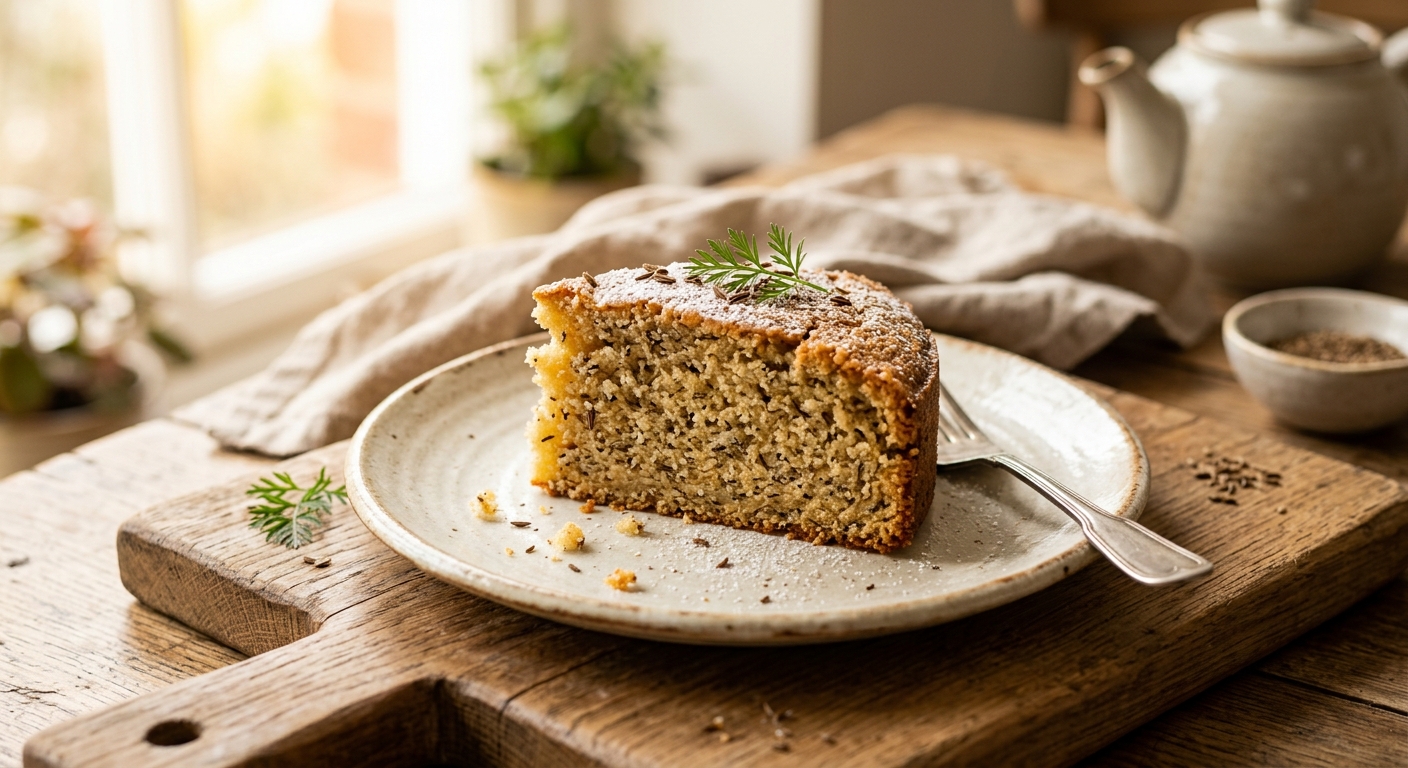
The book covers the kitchen and its equipment, soups, sauces, fish, meat, poultry, vegetables, puddings, preserves, cakes and drinks, as well as the duties of servants, the care of children, and medical and legal matters. Its most influential feature was practical layout: ingredients were listed before the method, alongside the time needed, an estimate of cost, the number of people the dish would serve and the season when it was at its best. Many entries also add short notes on the ingredients themselves, from where they come from to how to choose them. Recipe Filer has modernised three dishes from it. Potted beef belongs to the old tradition of preserving cooked meat under a seal of butter, Scotch collops are thin slices of meat served in a sauce or gravy, and seed cake is a plain, caraway-flavoured cake long popular at teatime.
Why it still matters
The book is one of the most useful sources for understanding how middle-class households in Victorian Britain ate, shopped and organised their days. Its layout, with a list of ingredients followed by a clear method, helped popularise a format that most cooks still expect today. For food historians, the cost estimates are especially revealing, since they show what a typical family could afford. It also shows the limits of its period: oven temperatures are not given, quantities can be large, and some dishes rely on methods and ingredients now unfamiliar. That is why modernising matters. Adapting the recipes with measured temperatures and quantities lets cooks enjoy the dishes today, while the original remains a fascinating record of its time.
Recipes from The Book of Household Management
Frequently asked questions
Who wrote The Book of Household Management?
+
It was written by Isabella Beeton (born Isabella Mayson), who compiled and edited it while working alongside her husband, the publisher Samuel Beeton.
When was The Book of Household Management first published?
+
It was published as a single volume in 1861, after first appearing in monthly parts with The Englishwoman's Domestic Magazine.
Were Mrs Beeton's recipes original?
+
Many were not. Historians have found that numerous recipes were adapted from earlier cookery writers and from readers' contributions, and her main skill lay in organising and presenting them clearly.