Historical cookbook
Kitab al-Tabikh: The Oldest Surviving Arabic Cookbook
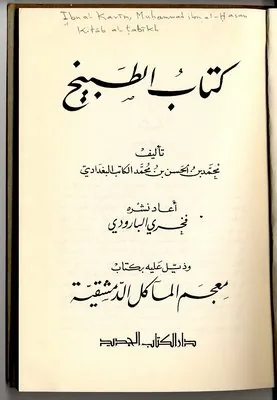
Ibn Sayyar al-Warraq compiled this Baghdad cookbook around 950, and its dishes still inspire cooks today.
The story behind the book
Kitab al-Tabikh, usually rendered in English as "The Book of Dishes" or "The Book of Cooking", was compiled in Baghdad around 950 and is generally regarded as the oldest surviving Arabic cookbook. Earlier writing on food is known to have existed, but this is the earliest collection of its kind to come down to us.
Baghdad was then the capital of the Abbasid caliphate, a city where court life, trade and scholarship brought together ingredients and habits from Persia, the wider Middle East and beyond. The book reflects that world. It gathers dishes associated with caliphs, princes and other members of the elite, and treats cooking as a subject worth recording with care.
The text reached modern readers through a surviving manuscript. It was edited in Helsinki in 1987, and Nawal Nasrallah's English translation, Annals of the Caliphs' Kitchens, followed in 2007, opening the book to cooks who do not read Arabic.
Who wrote it
Very little is known about Ibn Sayyar al-Warraq himself. The word al-Warraq means a stationer or copyist, someone who produced books by hand, which suggests a man at home in the world of manuscripts rather than in a professional kitchen. He is best understood as a compiler, someone who collected and organised recipes and food lore from many sources. Because so little is recorded about his life, the date of 950 is best treated as approximate, marking the middle of the tenth century rather than a precise year of publication.
What's inside
The book is organised into well over a hundred chapters. Most deal with food, covering meat, poultry, fish, vegetables, dairy, sweets and preserves. Alongside the recipes sit dietary and household notes, reflecting the medieval habit of linking what people ate to their health.
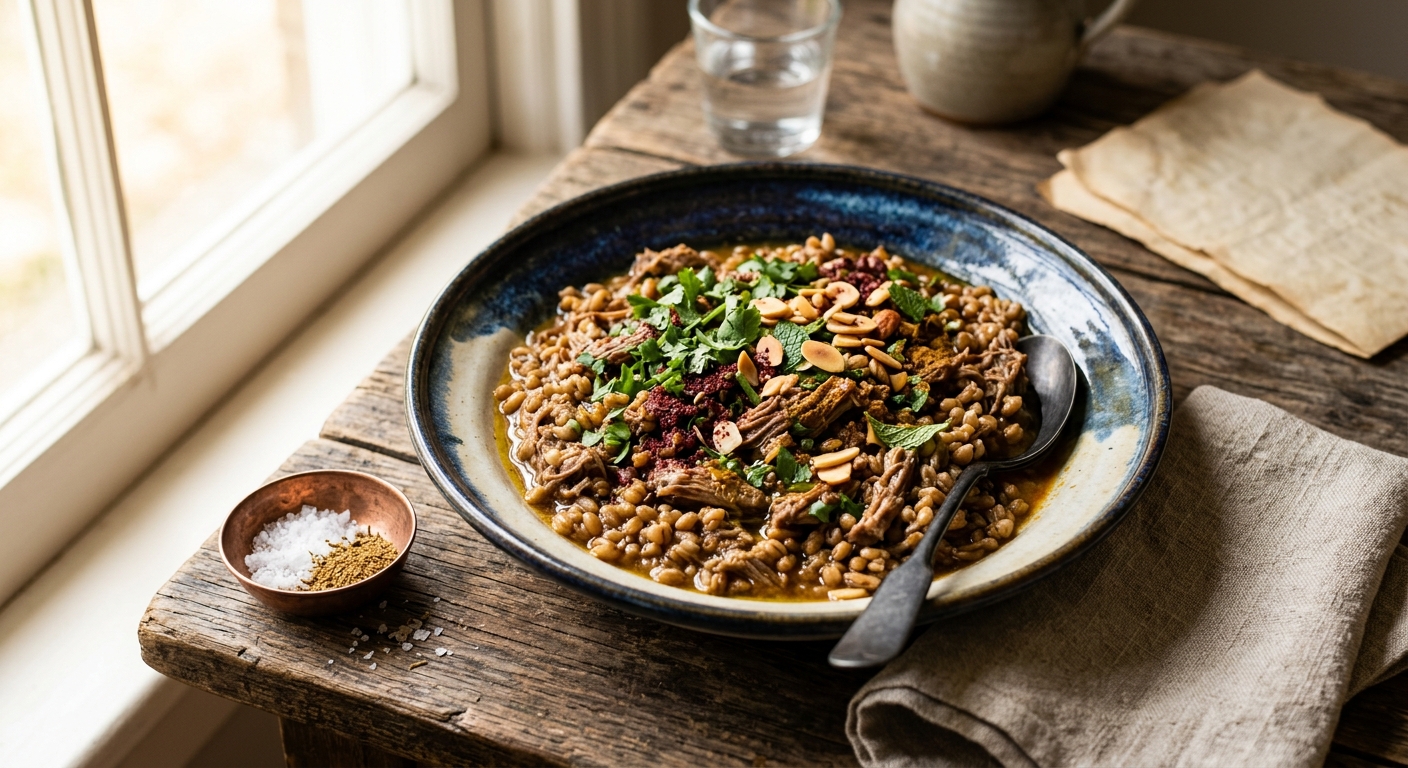
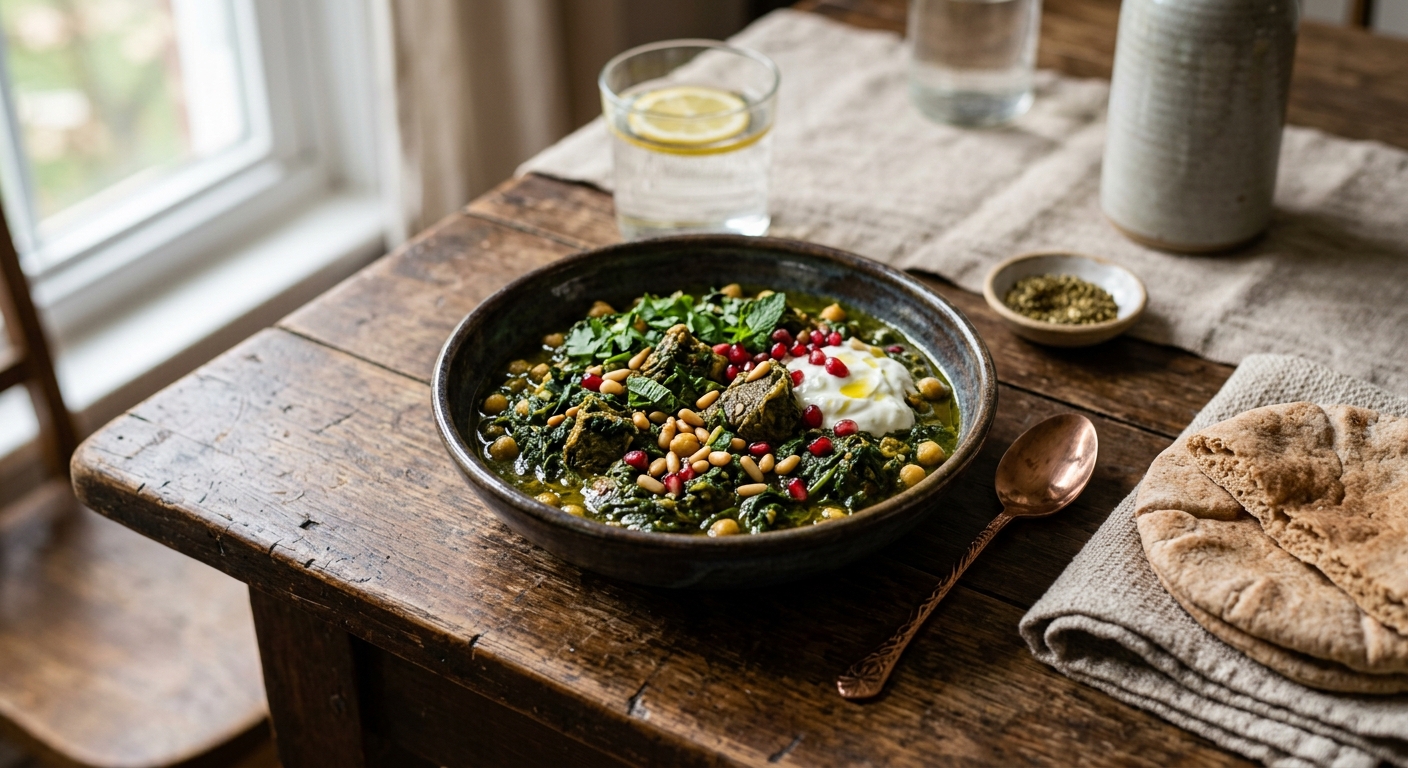
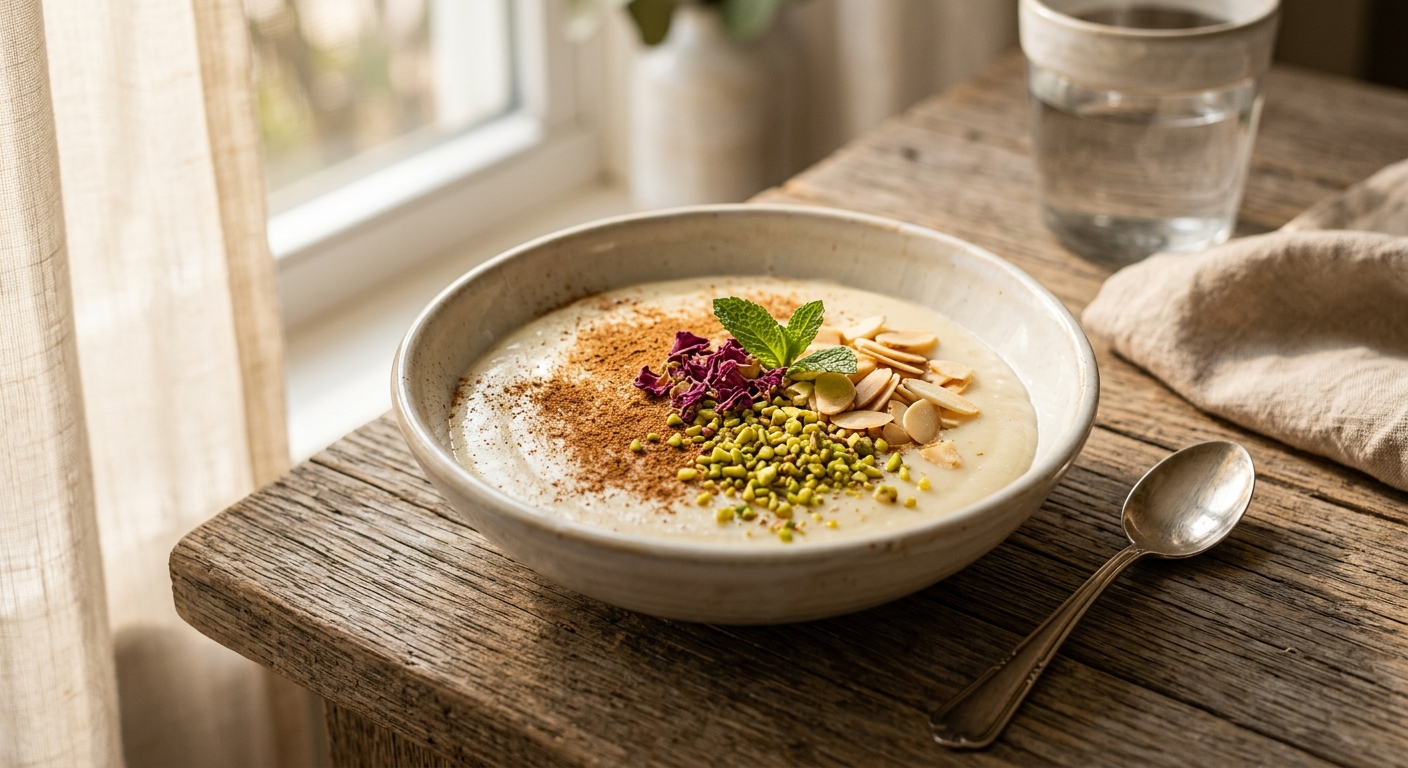
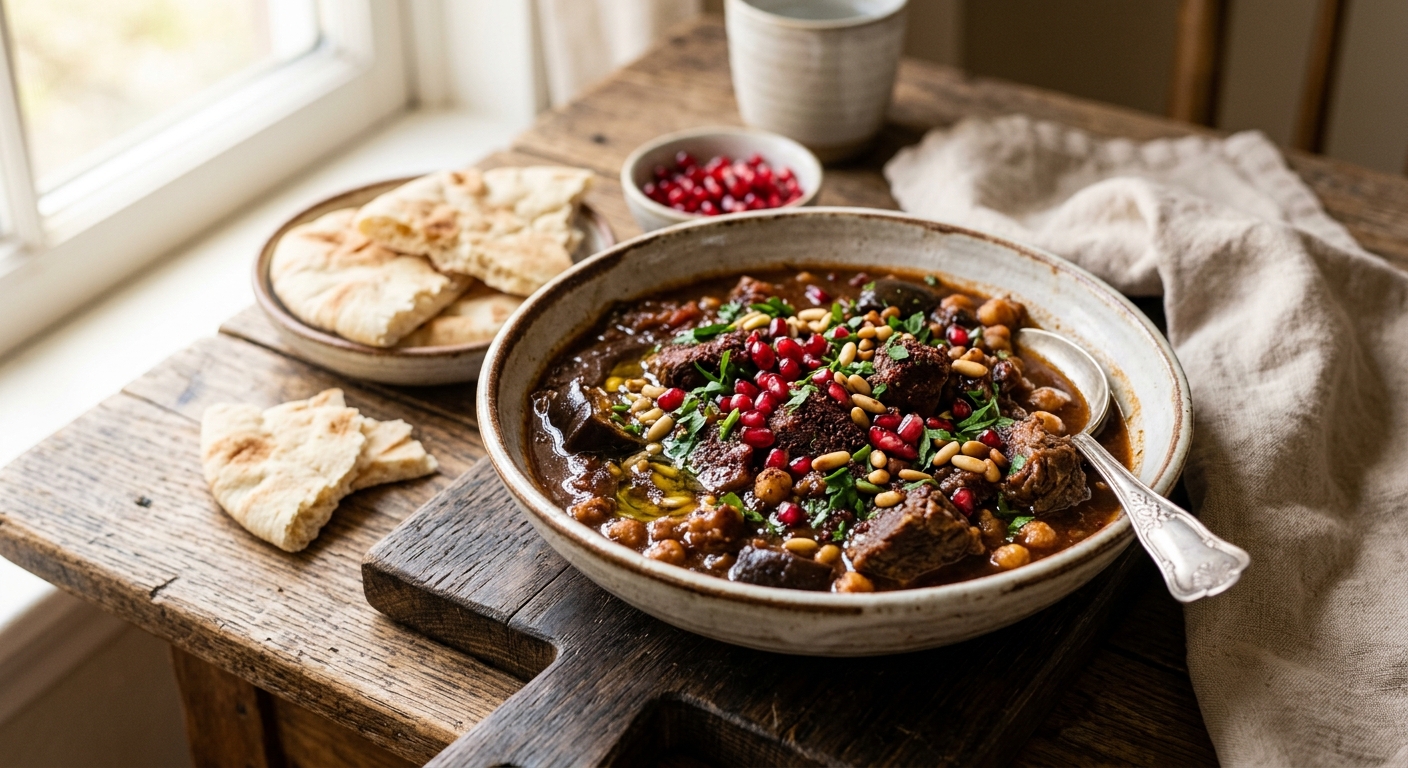
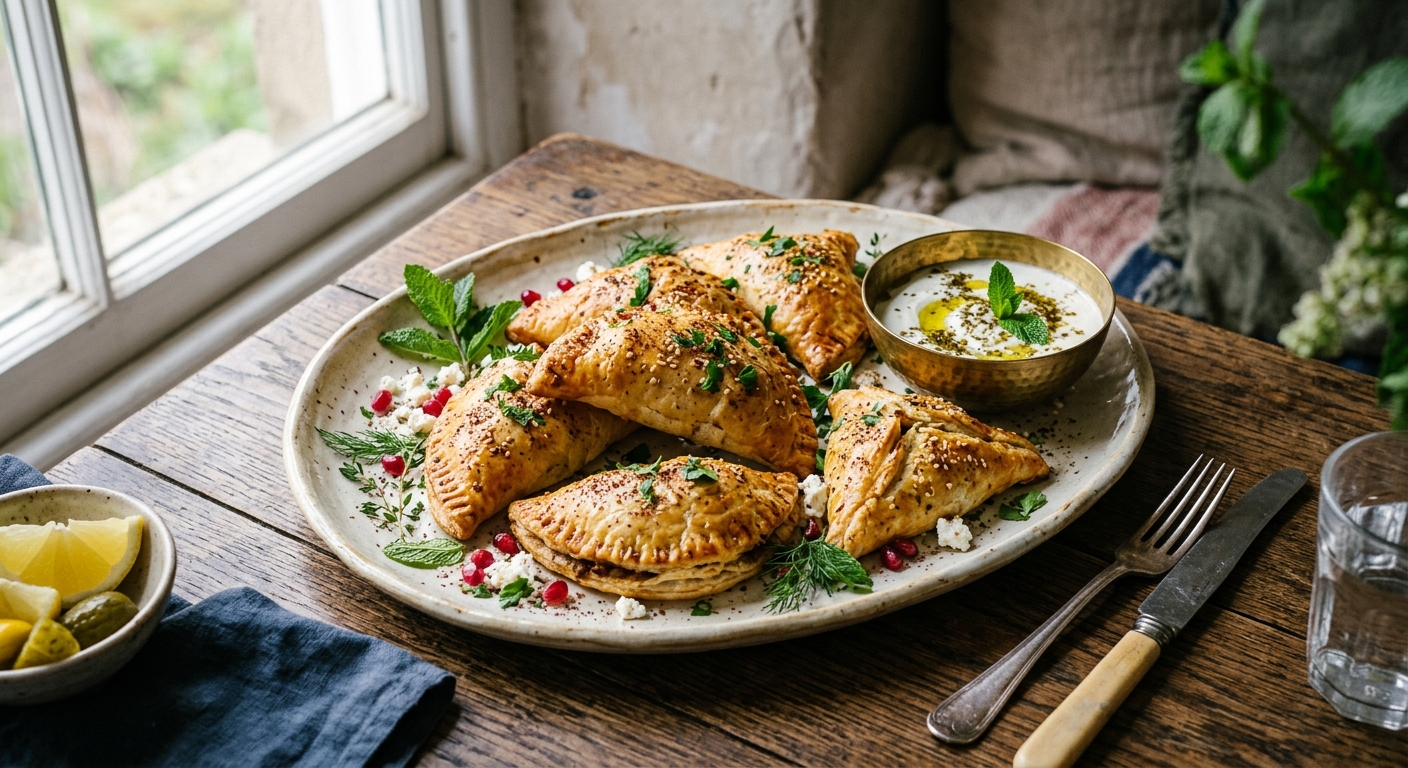
Recipe Filer has modernised five dishes from it. Sanbusaj, a filled pastry, is a relative of the samosa and a reminder of how widely such pastries travelled. Rummaniyya is a stew soured with pomegranate, showing how fruit could give savoury dishes a sour edge. Isfanakhiyya is a spinach dish. Harissa is a different creature from the chilli paste now sold under that name: in medieval Arabic cookery it was a thick porridge of wheat and meat, and chillies, which came from the Americas, were not part of it. Muhallabiyya is a name that has travelled a long way, and our almond milk pudding is a modern interpretation rather than a literal transcription.
Why it still matters
Kitab al-Tabikh matters because it gives a rare, detailed view of how people in a major medieval city cooked and thought about food. Many of its dishes will feel unfamiliar, yet its habits of combining sweet, sour and savoury, and of using herbs, spices and fruit in meat cookery, still echo in dishes eaten across the Middle East and beyond. For modern cooks the challenge is that medieval recipes are often brief and imprecise about quantities and timings, so every adaptation involves judgement. That is why we describe our versions as modernised rather than reconstructed, and why the original remains worth reading alongside them.
Recipes from Kitab al-Tabikh
Frequently asked questions
Who wrote Kitab al-Tabikh?
+
It was compiled by Ibn Sayyar al-Warraq in Baghdad around 950. Little is known about his life, though his name suggests he worked as a copyist or stationer.
What does Kitab al-Tabikh mean?
+
The title is usually translated as "The Book of Dishes" or "The Book of Cooking". It is generally considered the oldest surviving Arabic cookbook.
Is Kitab al-Tabikh available in English?
+
Yes. Nawal Nasrallah published a full English translation, Annals of the Caliphs' Kitchens, in 2007.