Historical cookbook
Le Cuisinier François: The Cookbook That Reshaped French Cooking
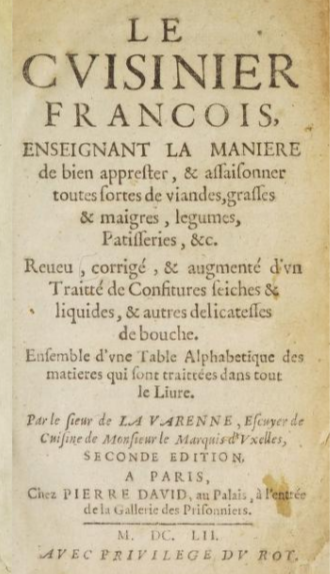
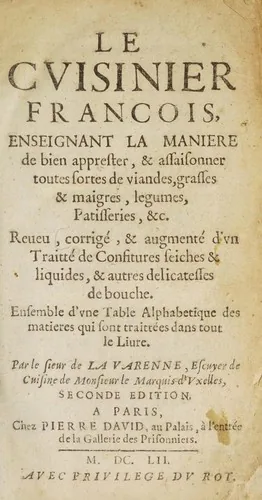
François Pierre de La Varenne's 1651 cookbook, a landmark in the move away from medieval French cookery.
The story behind the book
Le Cuisinier François appeared in France in 1651 and is widely regarded as a turning point in French cookery writing. Earlier printed cookbooks leaned on medieval habits: heavy spicing, sweet and sour pairings, and generous use of sugar and aromatics. La Varenne's book is usually read as a move towards flavours that taste more clearly of their main ingredients, with sauces built on stocks, fats and herbs. It belongs to the world of aristocratic dining in the mid-seventeenth century, when meals were served in several courses with many dishes set out at once. The recipes are short and practical, and the book was reprinted many times over the following century and a half. An English translation, The French Cook, followed in 1653, which helped carry its ideas across the Channel.
Who wrote it
François Pierre de La Varenne (1618–1678) worked as a cook in the household of the Marquis d'Uxelles, to whom the book is dedicated. He is generally said to have been born in Burgundy, but details of his life are thinly documented and some are disputed, so the book itself is a safer guide than legend. What it shows is a professional who understood how a large kitchen ran and who wrote with the confidence of long practice. His name became closely tied to the new style of French cooking, and later cooks and writers treated him as an authority to be followed, adapted or argued with.
What's inside
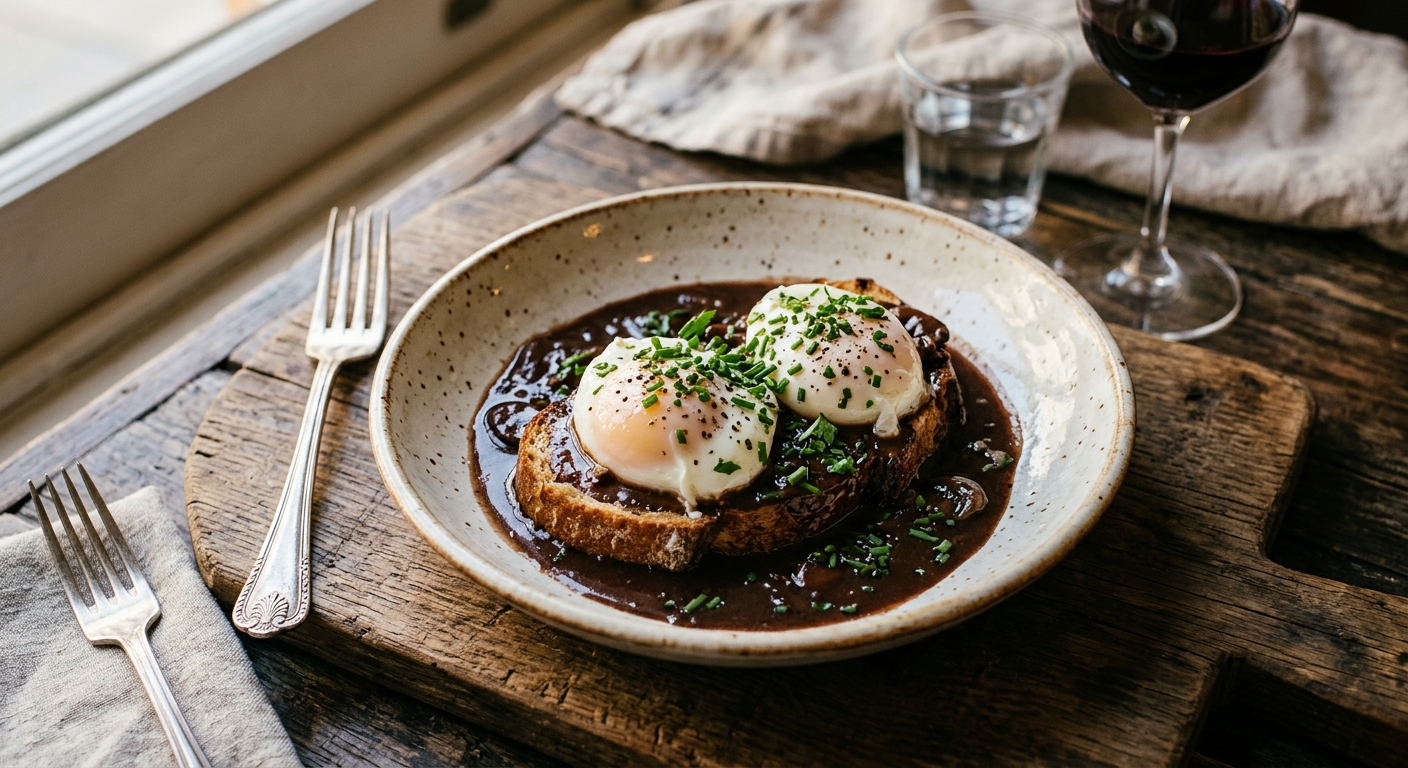
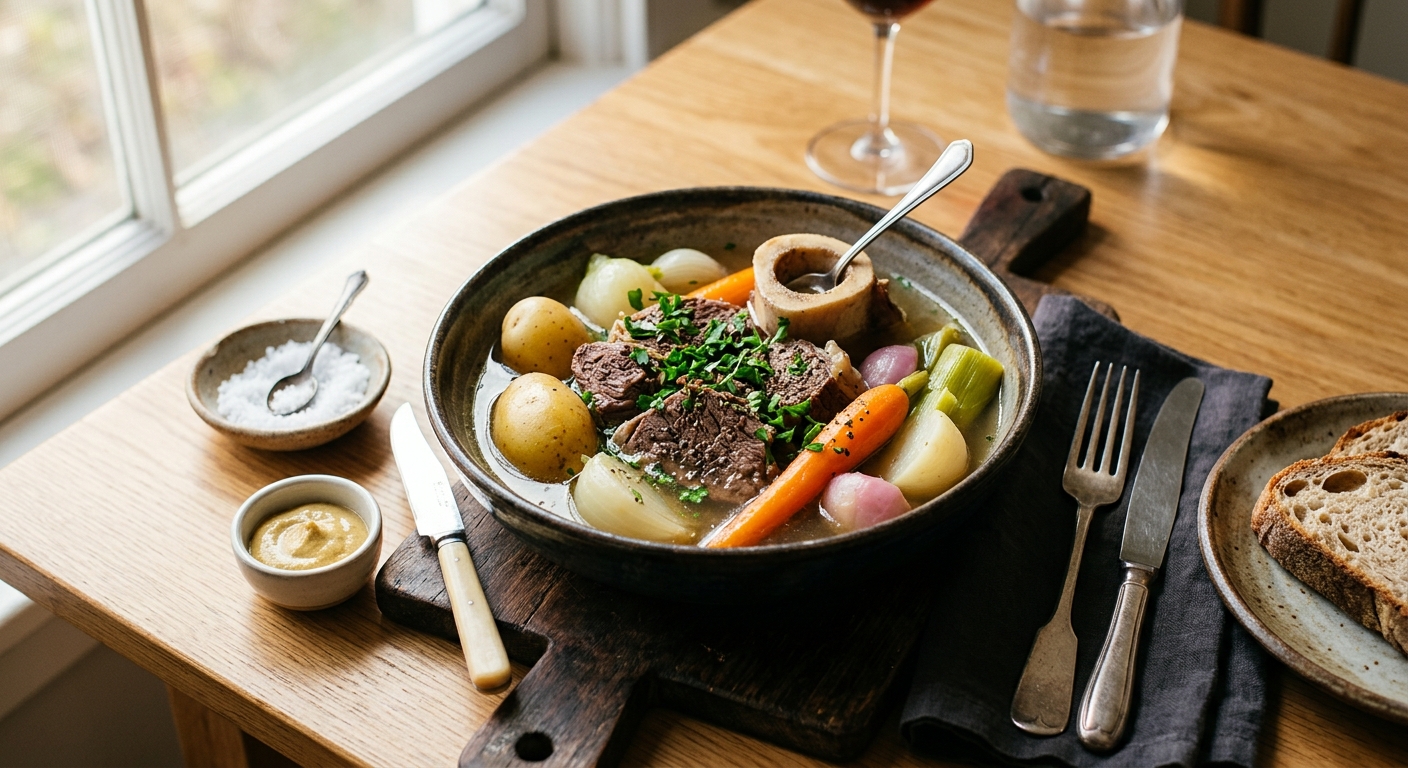
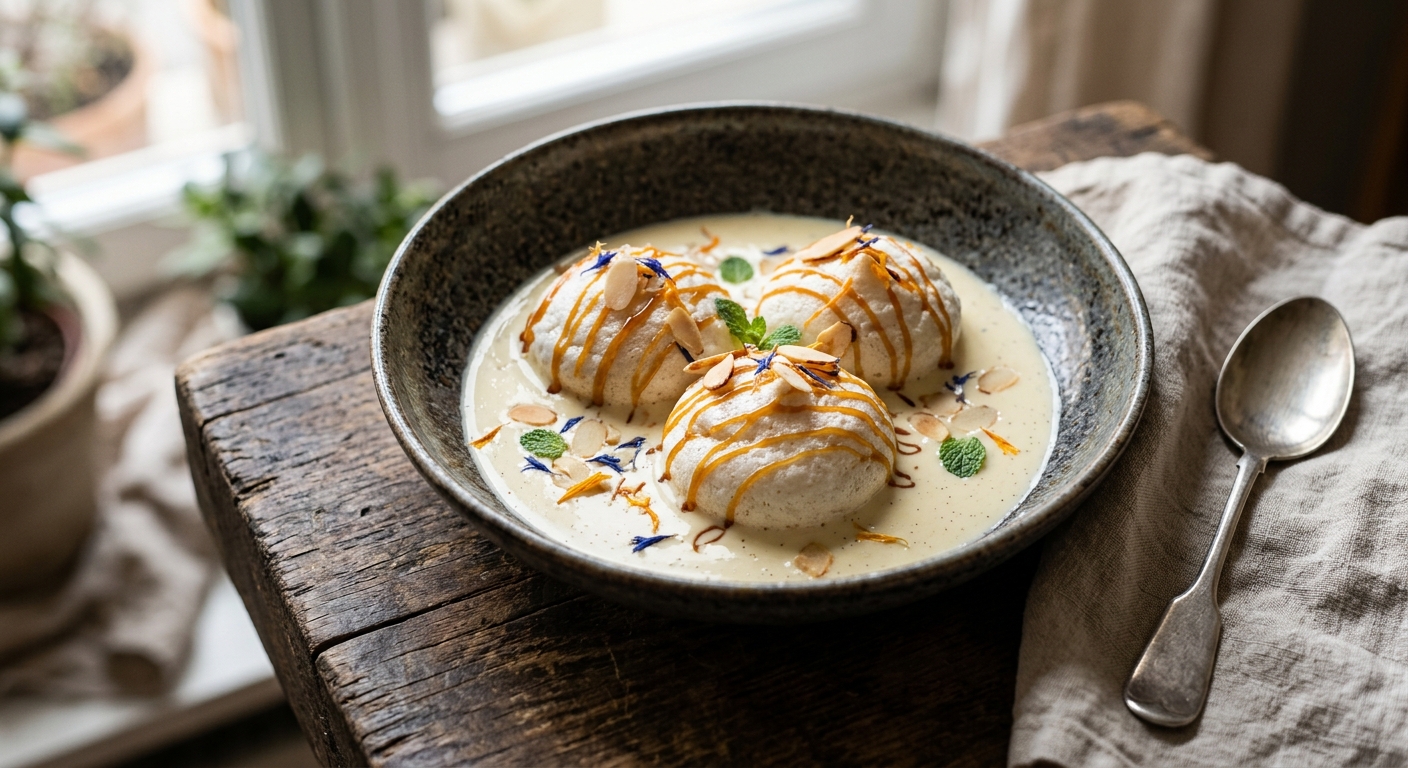
The book covers soups, meat, poultry, game, fish, eggs, vegetables, pies and pastry, with provision for fast days when meat was not eaten. It is often credited with early printed uses of the roux and the bouquet of herbs, along with sauces finished with butter and reduced cooking liquids. Recipes of the period seldom give exact weights, times or oven temperatures, so cooks were expected to know the basics already. Recipe Filer has modernised three dishes from it: Oeufs à la Huguenotte, Pot-au-Feu (a boiled beef dinner) and Œufs à la Neige, or snow eggs. Together they show the range of the book, from egg cookery to a long, gentle simmer to a light sweet dish. We have added quantities, timings and method notes so that each can be cooked in a modern kitchen.
Why it still matters
La Varenne matters because he marks a visible change in how French food was written about. Stocks, sauces thickened with a roux, careful seasoning and an emphasis on the character of the main ingredient all became central to French cooking, and this book is one of the earliest printed places to see them set out together. Its influence is easy to trace in the cookery books that followed. For food historians it is a valuable record of what a well-equipped kitchen in mid-seventeenth-century France could produce. For home cooks it is a reminder that dishes like pot-au-feu have a long history behind them. Cooking from the modernised recipes is a practical way to taste that history, while remembering that they are adaptations rather than exact reproductions.
Recipes from Le Cuisinier François
Frequently asked questions
Who wrote Le Cuisinier François?
+
It was written by François Pierre de La Varenne (1618–1678), a cook in the household of the Marquis d'Uxelles, to whom the book is dedicated.
When was Le Cuisinier François first published?
+
It was first published in France in 1651. An English translation, The French Cook, followed in 1653.
Why is Le Cuisinier François important?
+
It is widely seen as a turning point in French cookery writing, moving away from heavily spiced medieval styles towards stock-based sauces and clearer flavours. It is often credited with early printed uses of the roux and the bouquet of herbs.