Historical cookbook
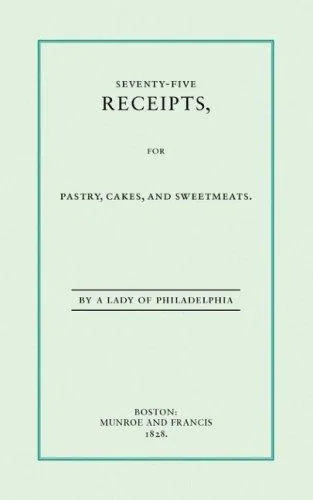
Seventy-Five Receipts for Pastry, Cakes, and Sweetmeats: 1828 classic
Eliza Leslie's 1828 American baking book, credited on its title page to a lady of Philadelphia, and still worth cooking from.
The story behind the book
Seventy-Five Receipts for Pastry, Cakes, and Sweetmeats was published in the United States in 1828. At that time most people learned to cook from family, servants and neighbours, and printed guides were still fairly scarce. Leslie's book was not a general housekeeping manual. It was a small, focused collection that dealt with the sweeter side of the kitchen: pastry, cakes and confectionery.
The title page did not carry her name. The book was credited to a lady of Philadelphia, which was a common way for women writers of the period to appear in print. Its use of the word "receipt", then the usual term for what we now call a recipe, places it firmly in its time. The book was popular enough to be reprinted, and it started the career of one of the best-known American cookery writers of the nineteenth century.
Who wrote it
Eliza Leslie was born in Philadelphia in 1787 and died in 1858. She learned her craft at the cooking school run by Elizabeth Goodfellow in that city, a respected training ground for pastry and confectionery. Her brother Charles Robert Leslie became a painter, and the family moved in educated circles.
After this first book she became a prolific author. Her later cookery titles include Directions for Cookery, first published in 1837, and The Lady's Receipt-Book, which followed in 1846. She also wrote on domestic management and produced fiction and magazine contributions. Her cookery books were widely read in her lifetime, which makes her an important witness to how middle-class American households ate and entertained.
What's inside
As the title promises, the book is a gathering of seventy-five receipts for pastry, cakes and sweetmeats. These were the dishes that marked out a special occasion, a tea table or a well-run store cupboard. The instructions are written in the running prose typical of the era, with ingredients worked into the method rather than listed separately, and they assume a cook who already knows the basics.
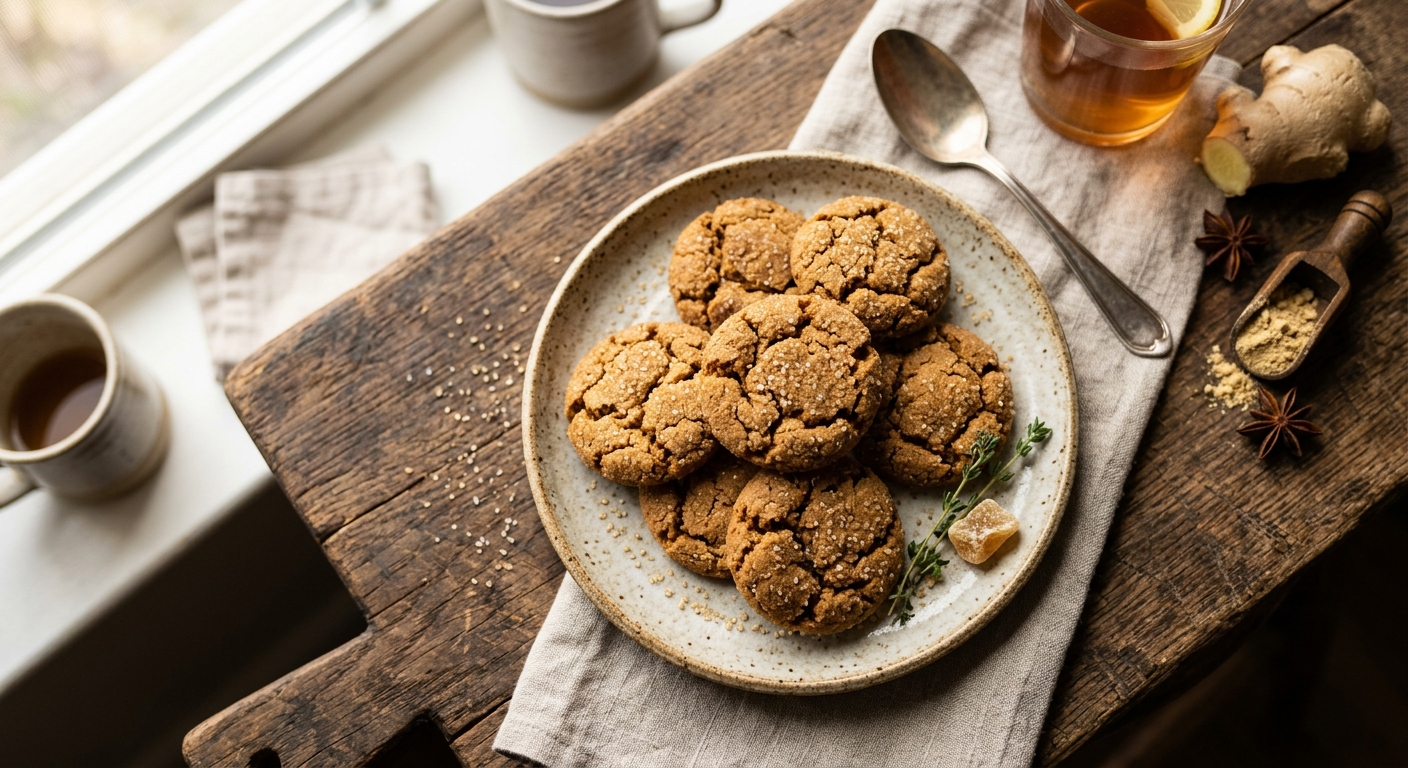
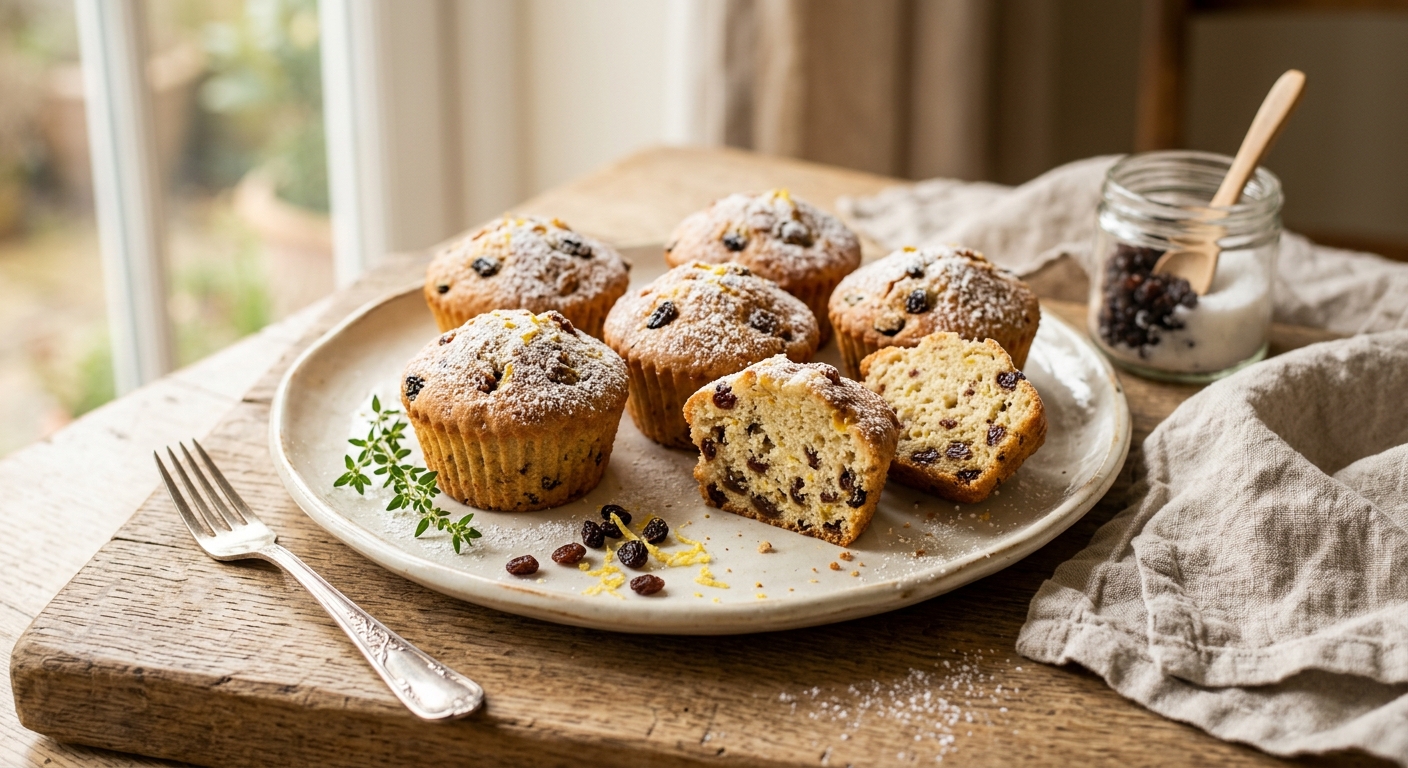
Two of the receipts have been modernised by Recipe Filer: Eliza Leslie's Ginger Nuts and Eliza Leslie's Queen Cakes. Queen cakes are small individual cakes, often with dried fruit, and were also a familiar part of British baking, which shows how much the two countries shared in the early nineteenth century. Ginger nuts are small, spiced ginger biscuits, a simple sweet that has stayed in the repertoire ever since. Our versions set out the ingredients clearly and use modern measures and oven guidance, while keeping the character of the originals.
Why it still matters
Leslie's book is a useful record of what home bakers actually made in the 1820s, and it is a reminder that many familiar bakes have a long history on both sides of the Atlantic. Because it is short and specialised, it is also easy to approach. You can read it as a snapshot of one corner of the kitchen rather than a vast encyclopaedia.
For present-day cooks, the appeal lies in its plain, dependable recipes. Ginger nuts and queen cakes need no special equipment and suit a quick afternoon of baking. Cooking from Leslie is a practical way to connect with food history, and it shows how a modest early cookery book could set the pattern for the many that followed.
Recipes from Seventy-Five Receipts for Pastry, Cakes, and Sweetmeats
Frequently asked questions
Who wrote Seventy-Five Receipts for Pastry, Cakes, and Sweetmeats?
+
It was written by Eliza Leslie of Philadelphia and published in 1828. The title page credited it to a lady of Philadelphia rather than naming her.
What does 'receipt' mean in the title?
+
In the early nineteenth century 'receipt' was the usual word for what we now call a recipe. The book's seventy-five receipts cover pastry, cakes and sweetmeats.
Which Eliza Leslie recipes has Recipe Filer modernised?
+
We have modernised Eliza Leslie's Ginger Nuts and Eliza Leslie's Queen Cakes from this book, with clear ingredient lists and modern measures.