Tag
Traditional recipes
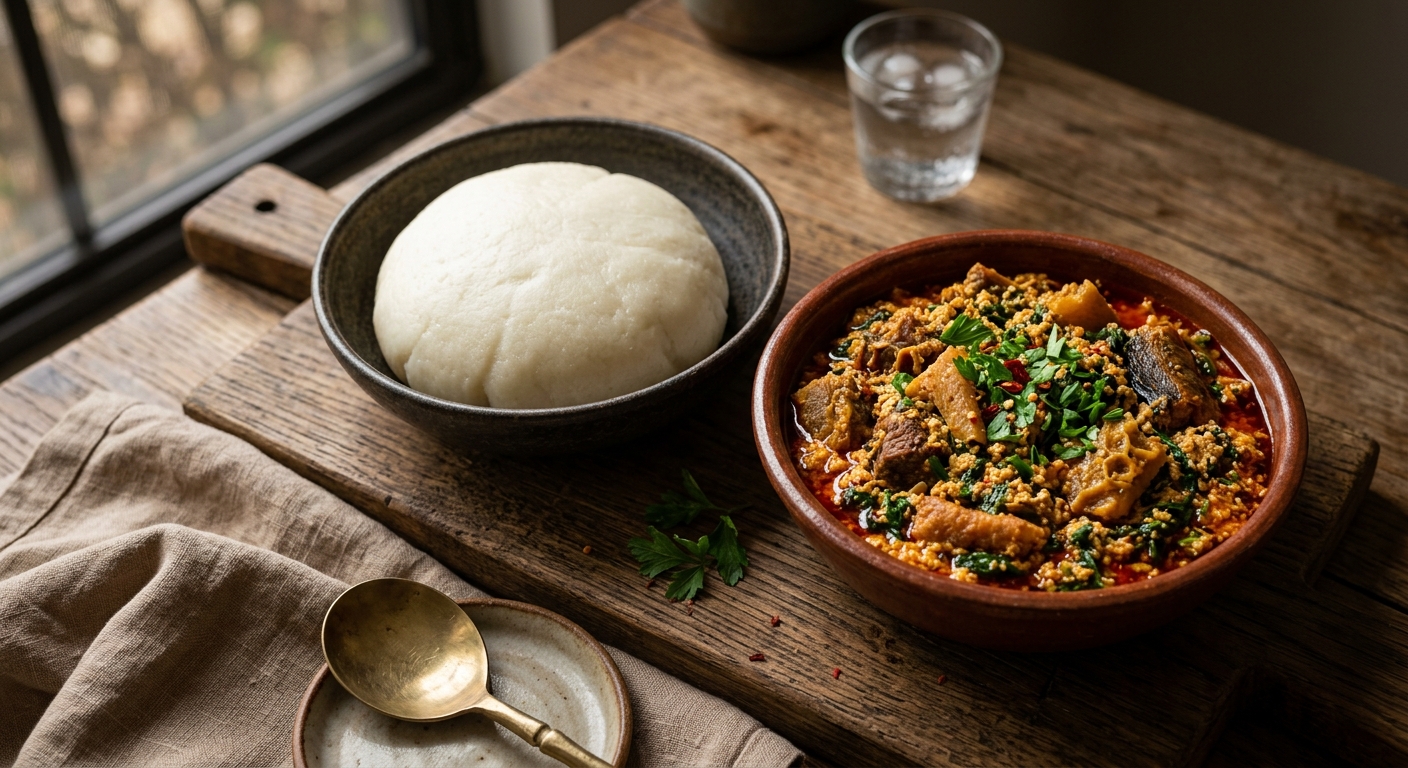
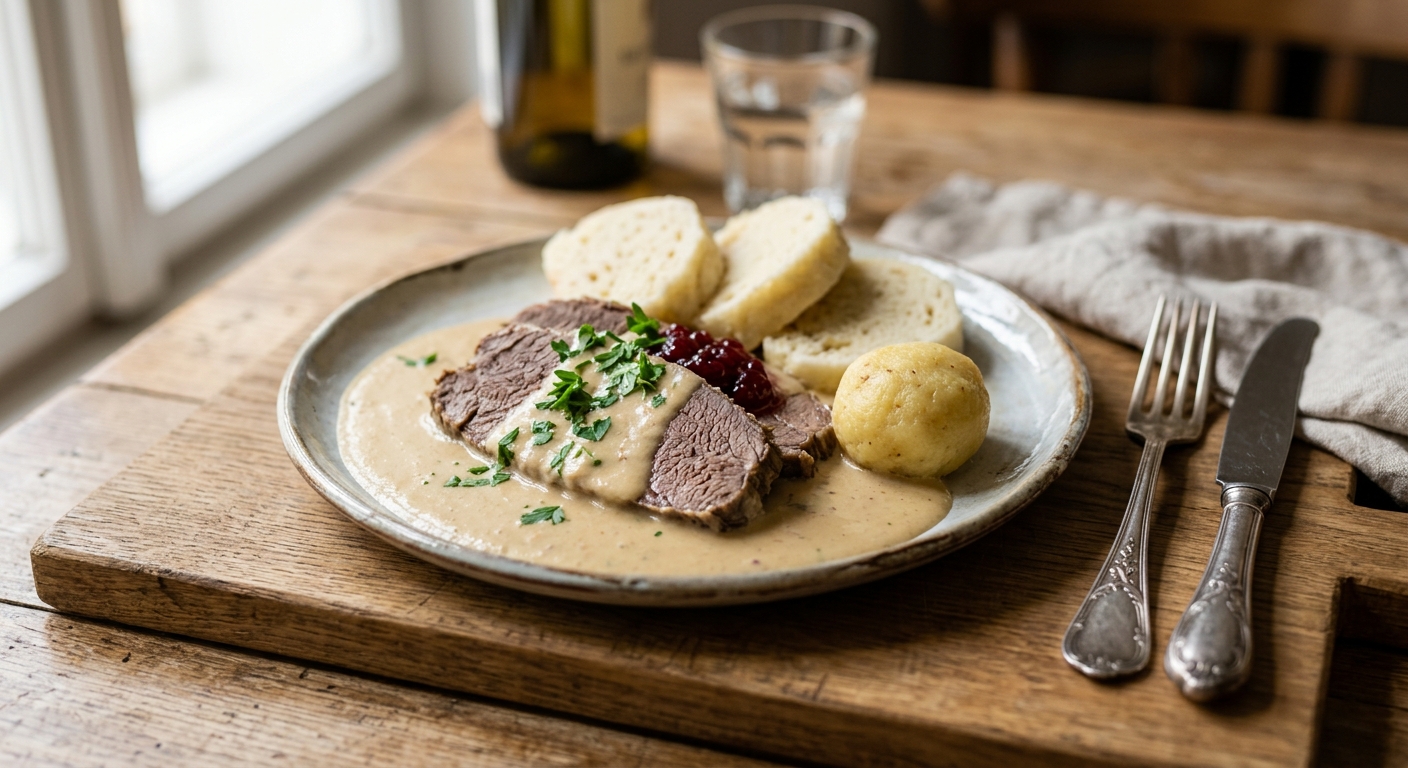
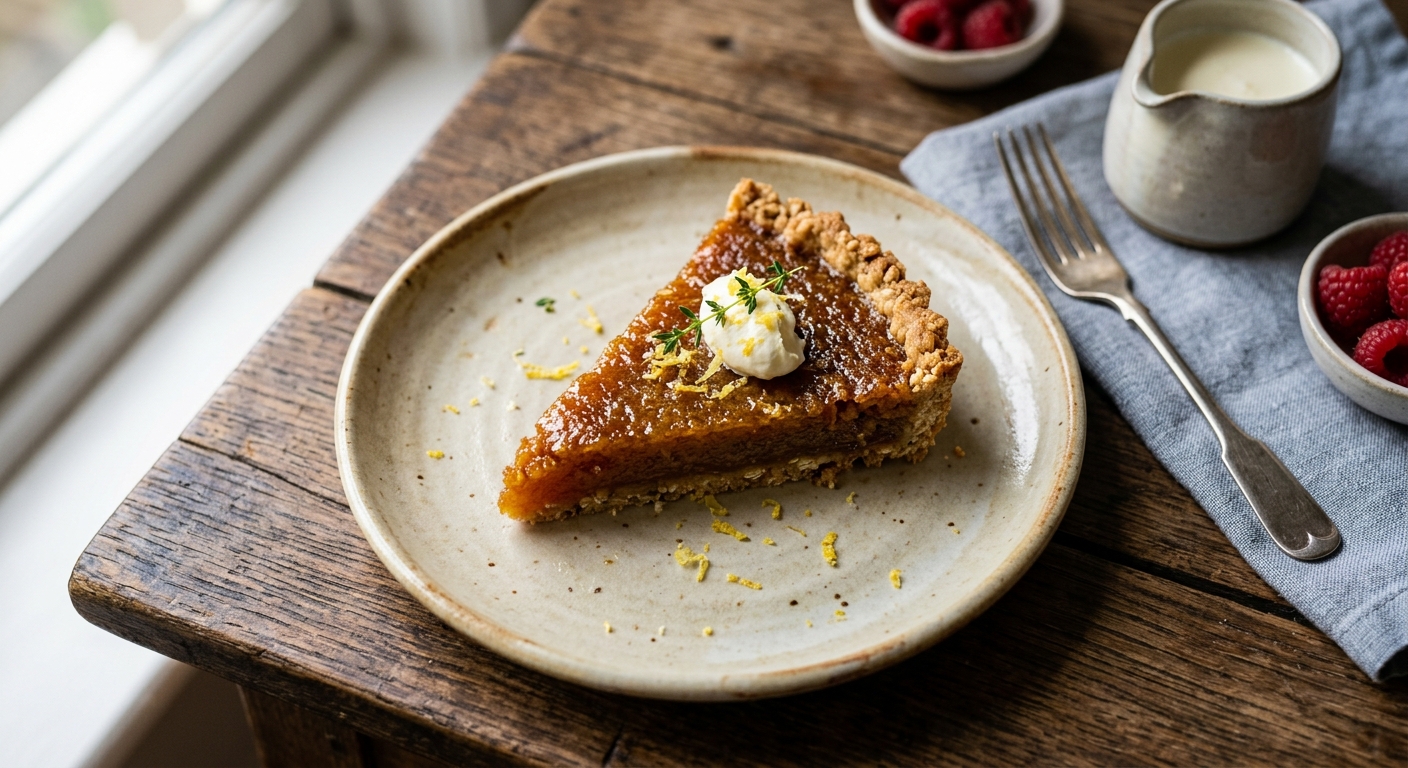
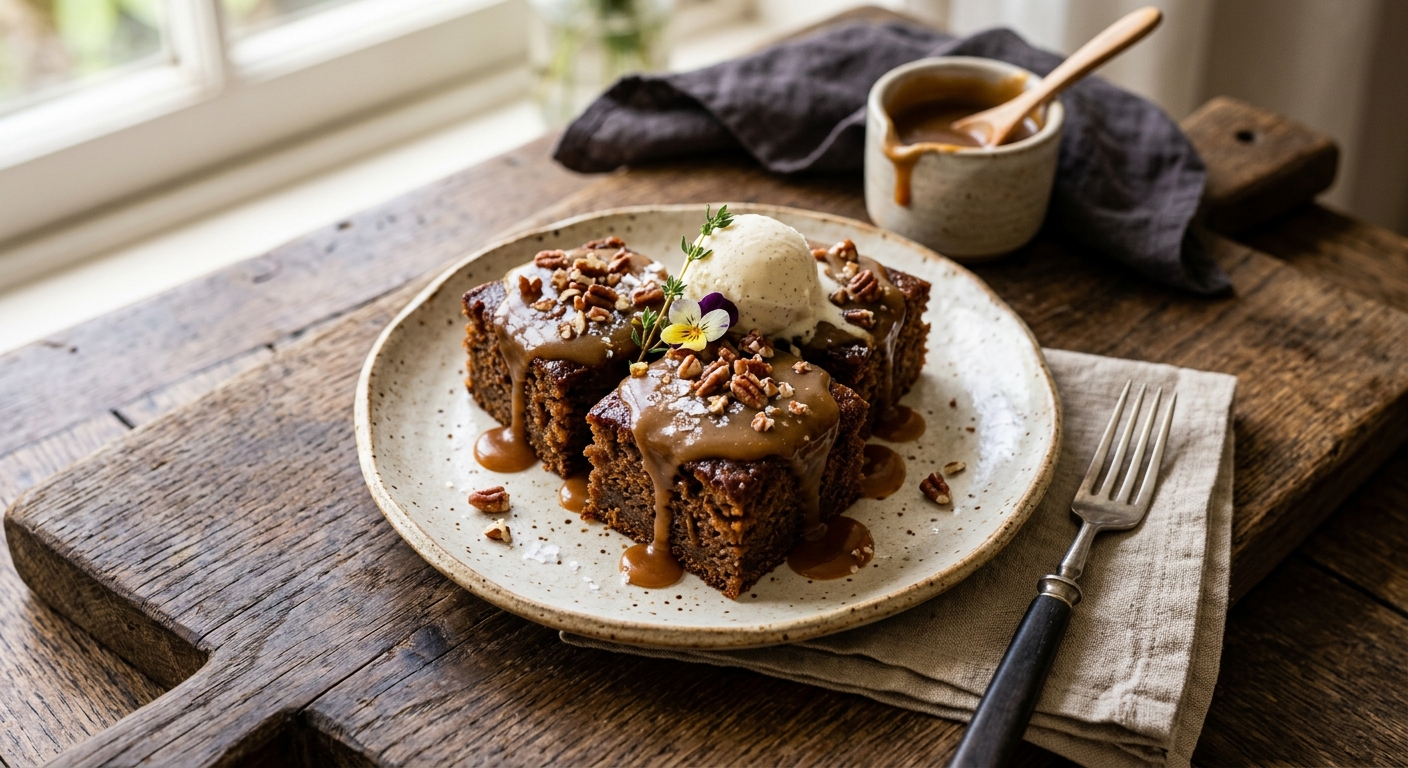
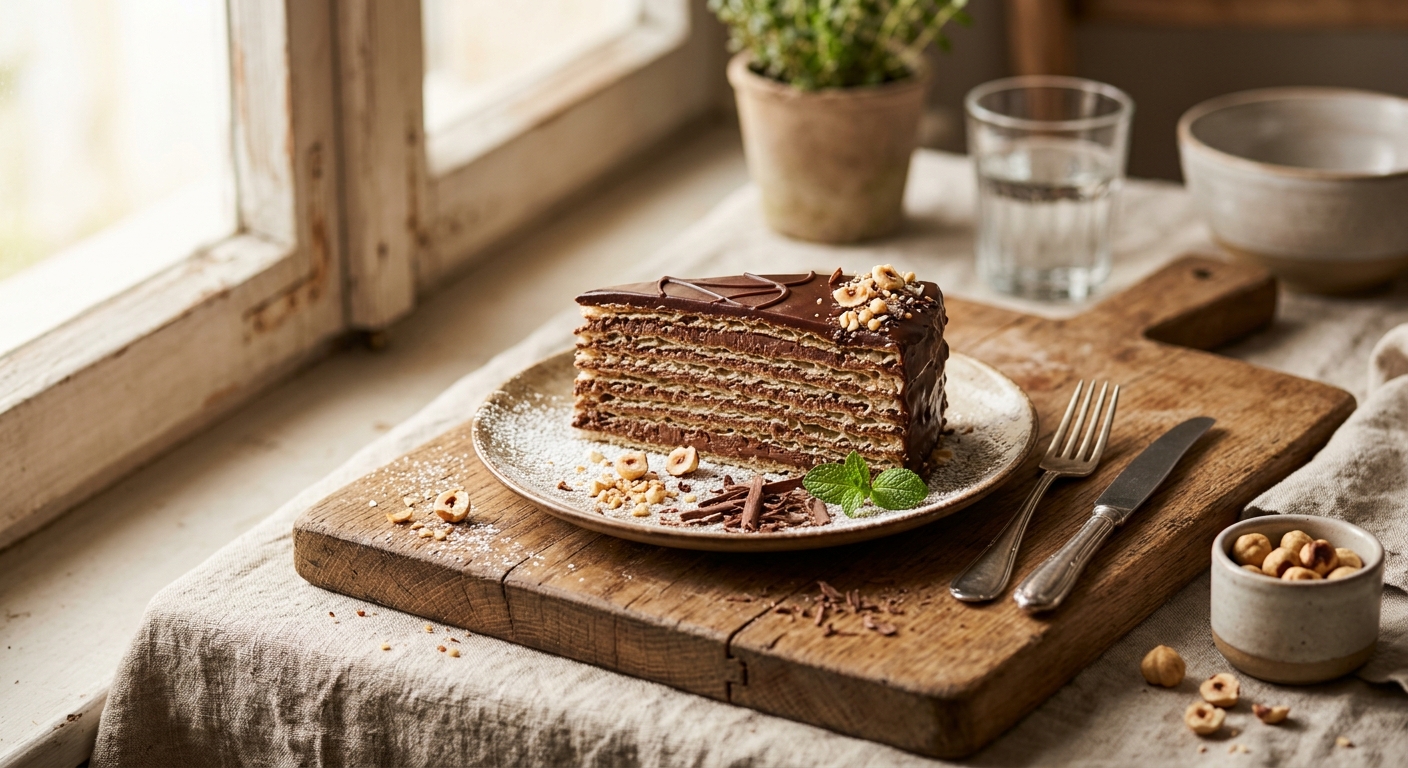
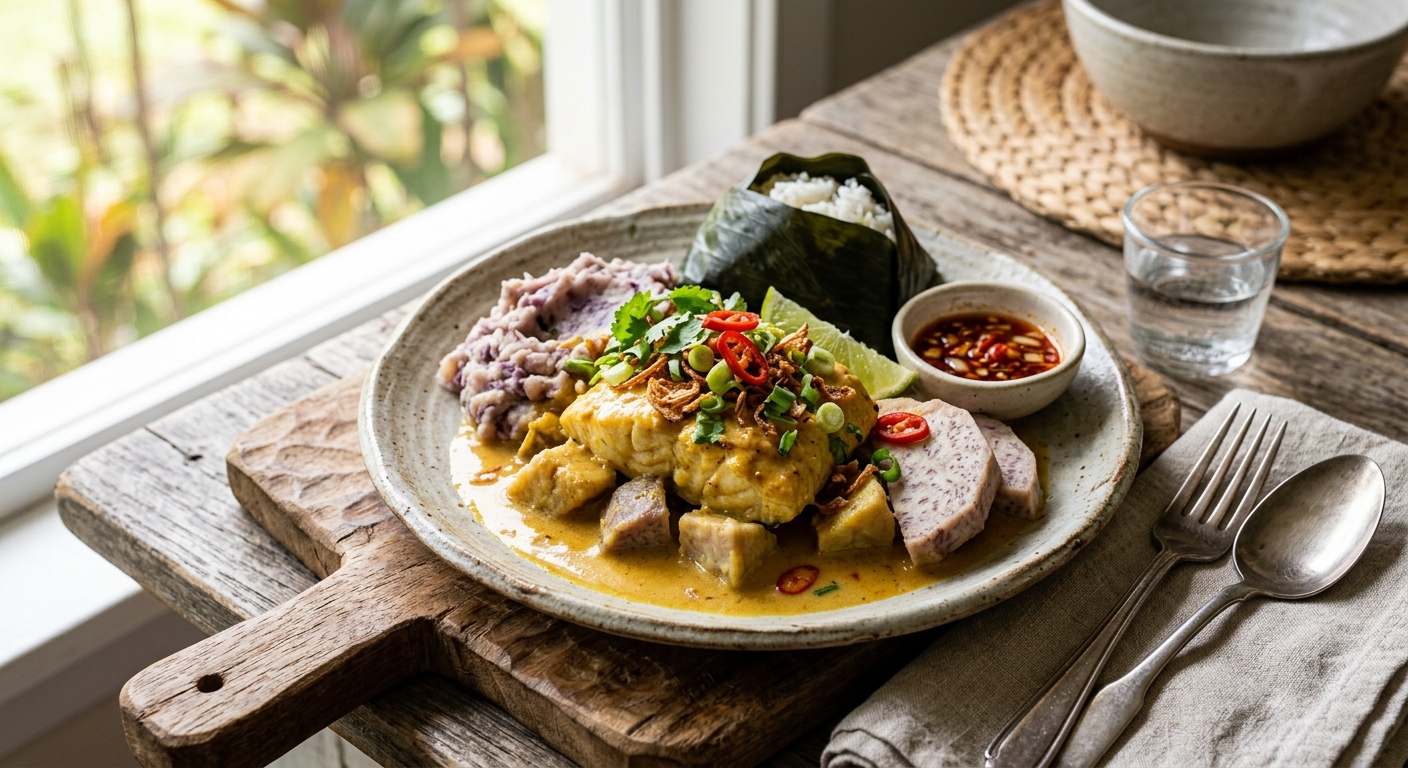
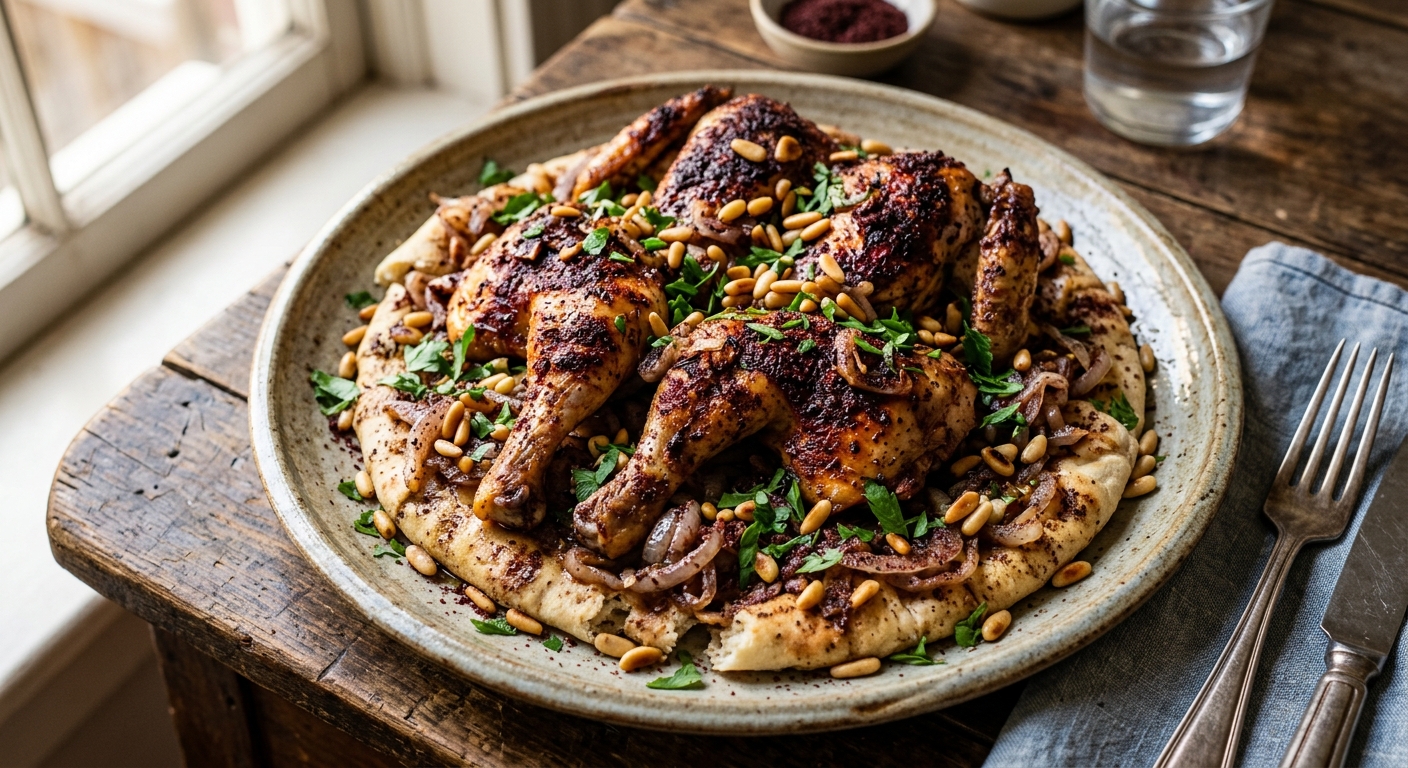
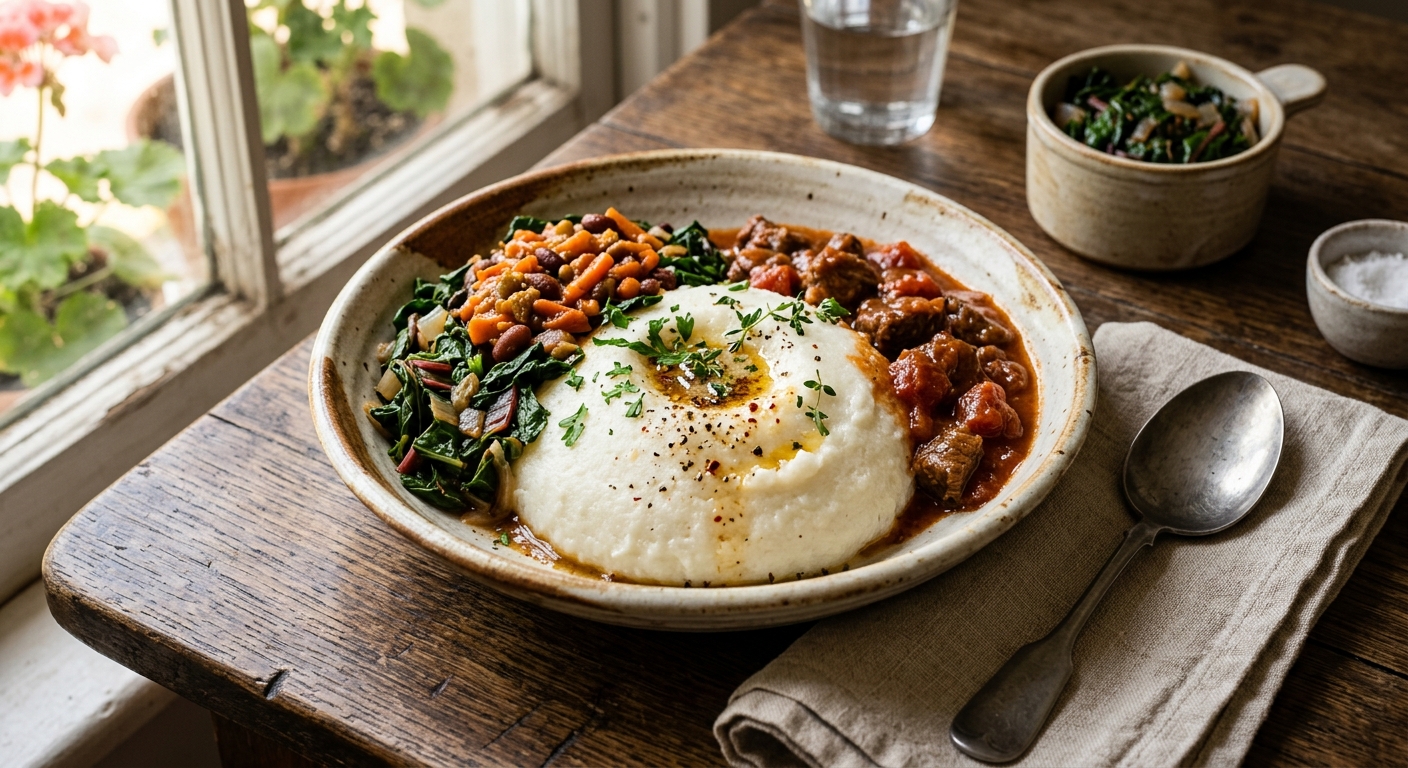
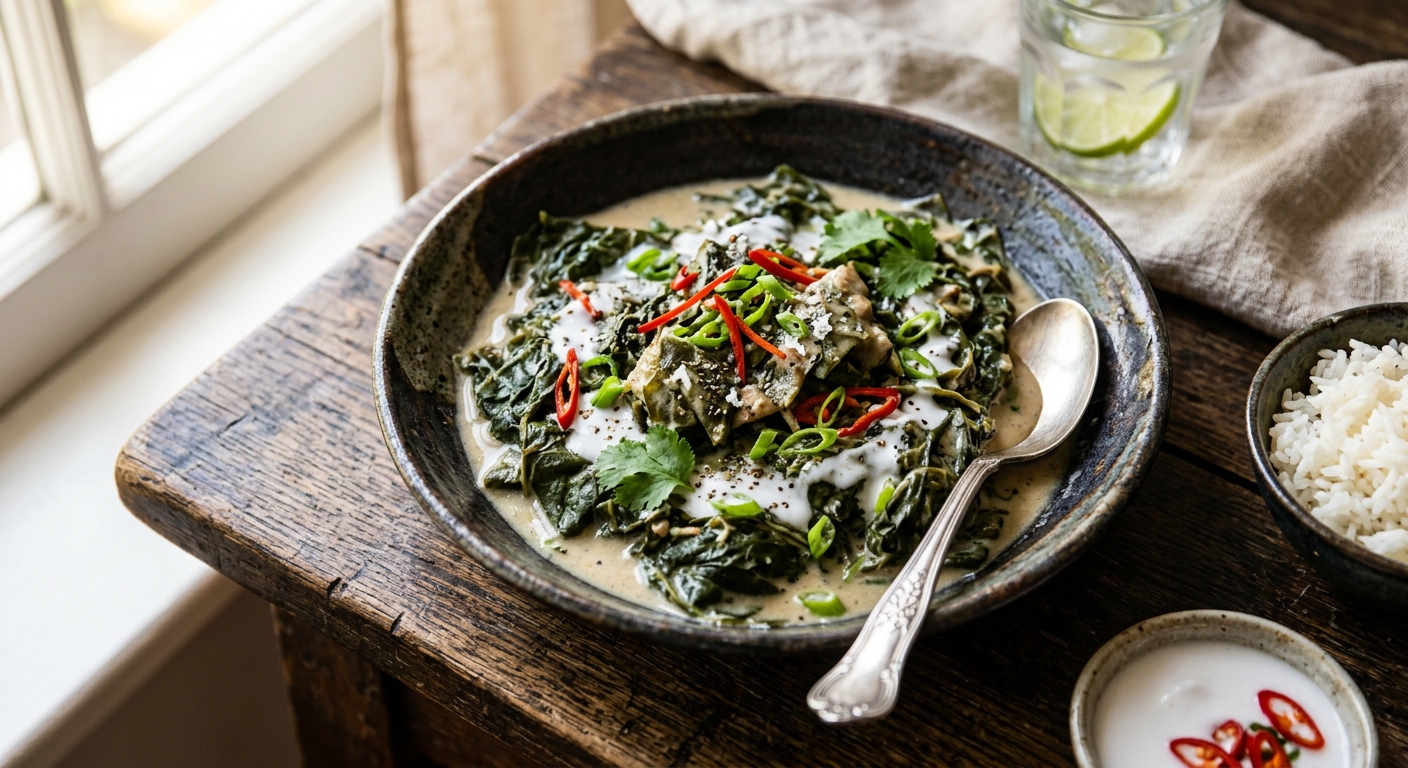
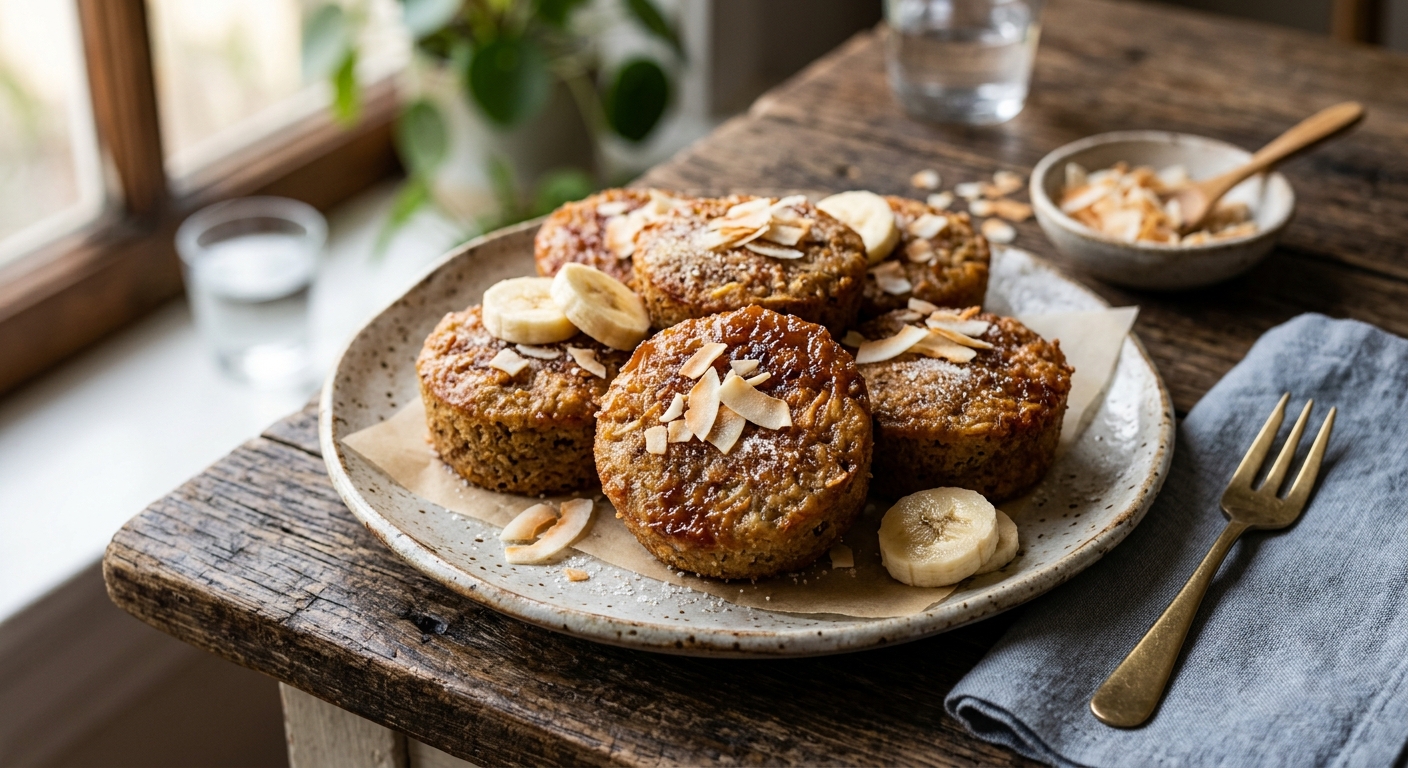
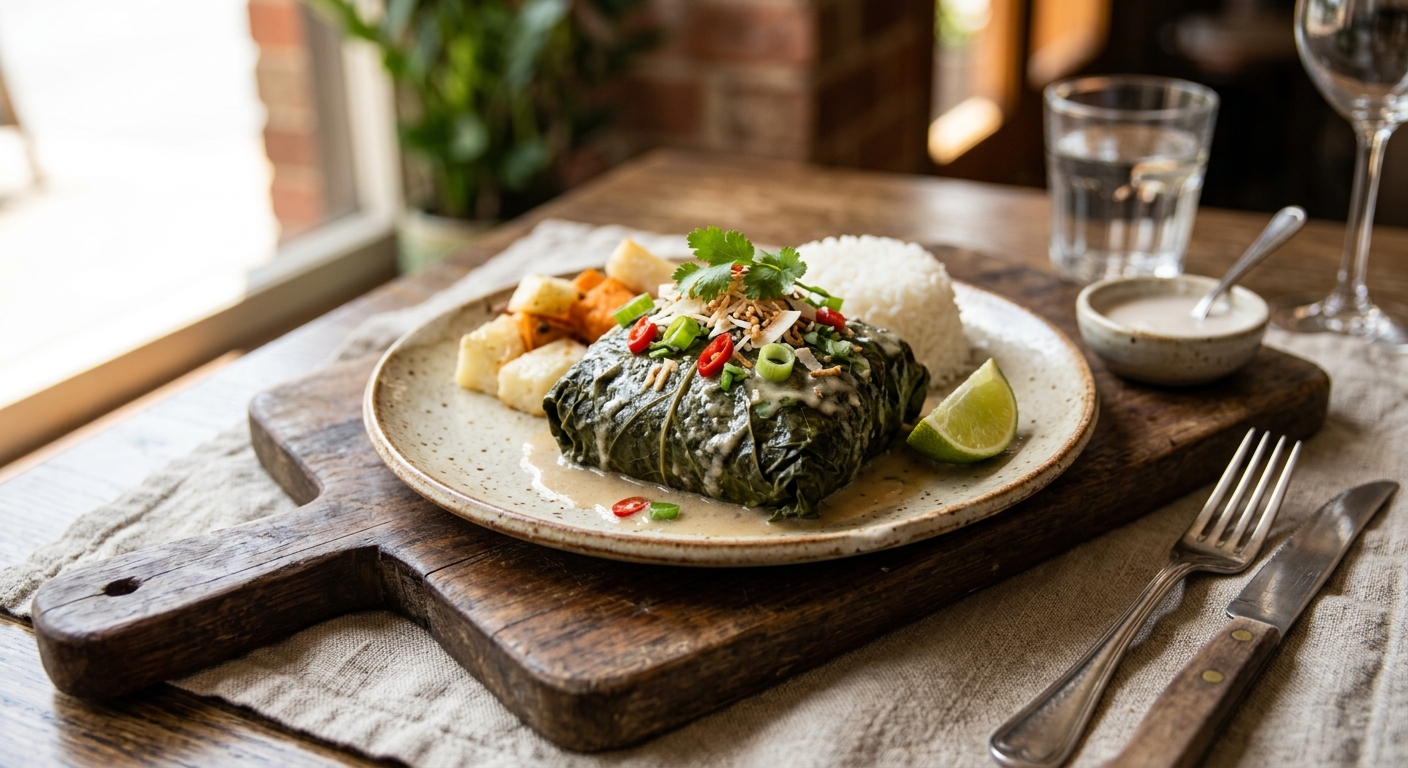
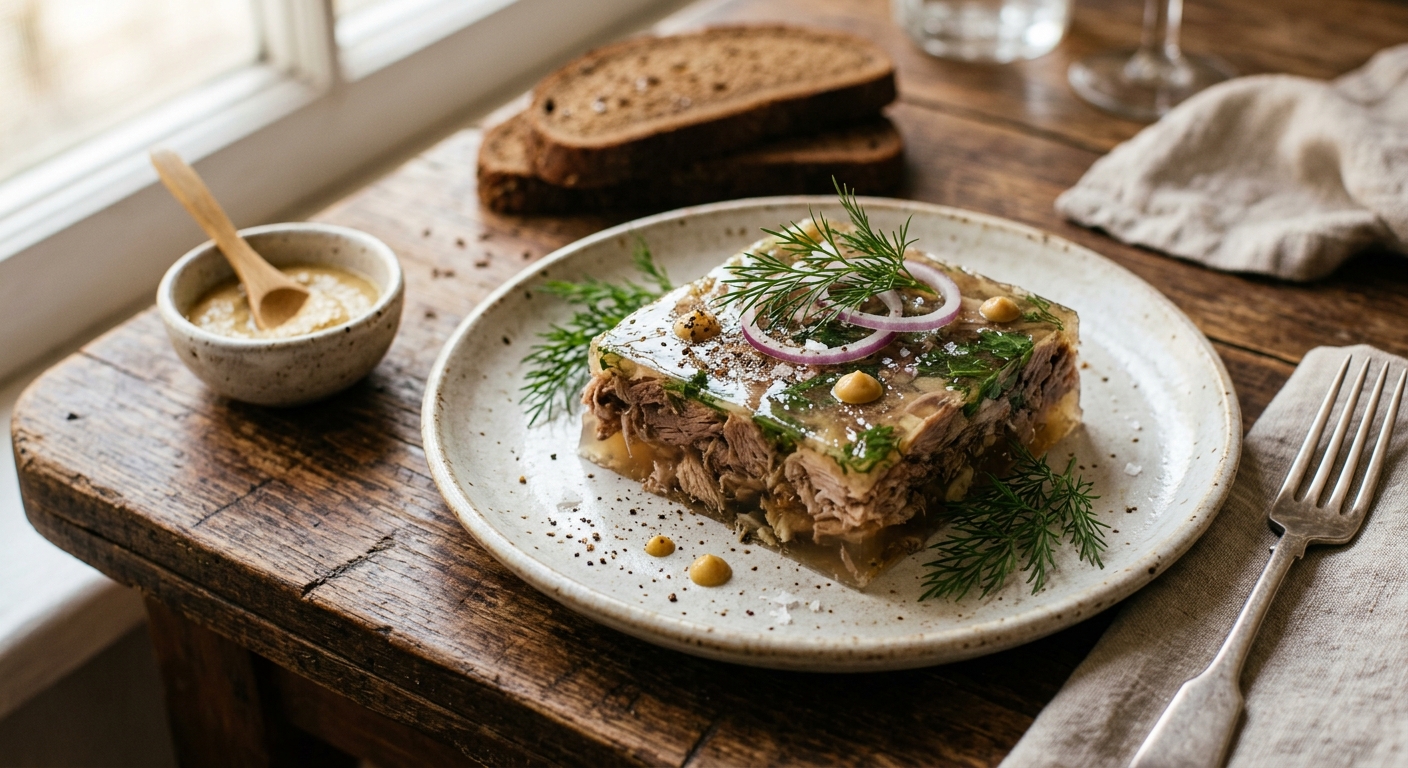
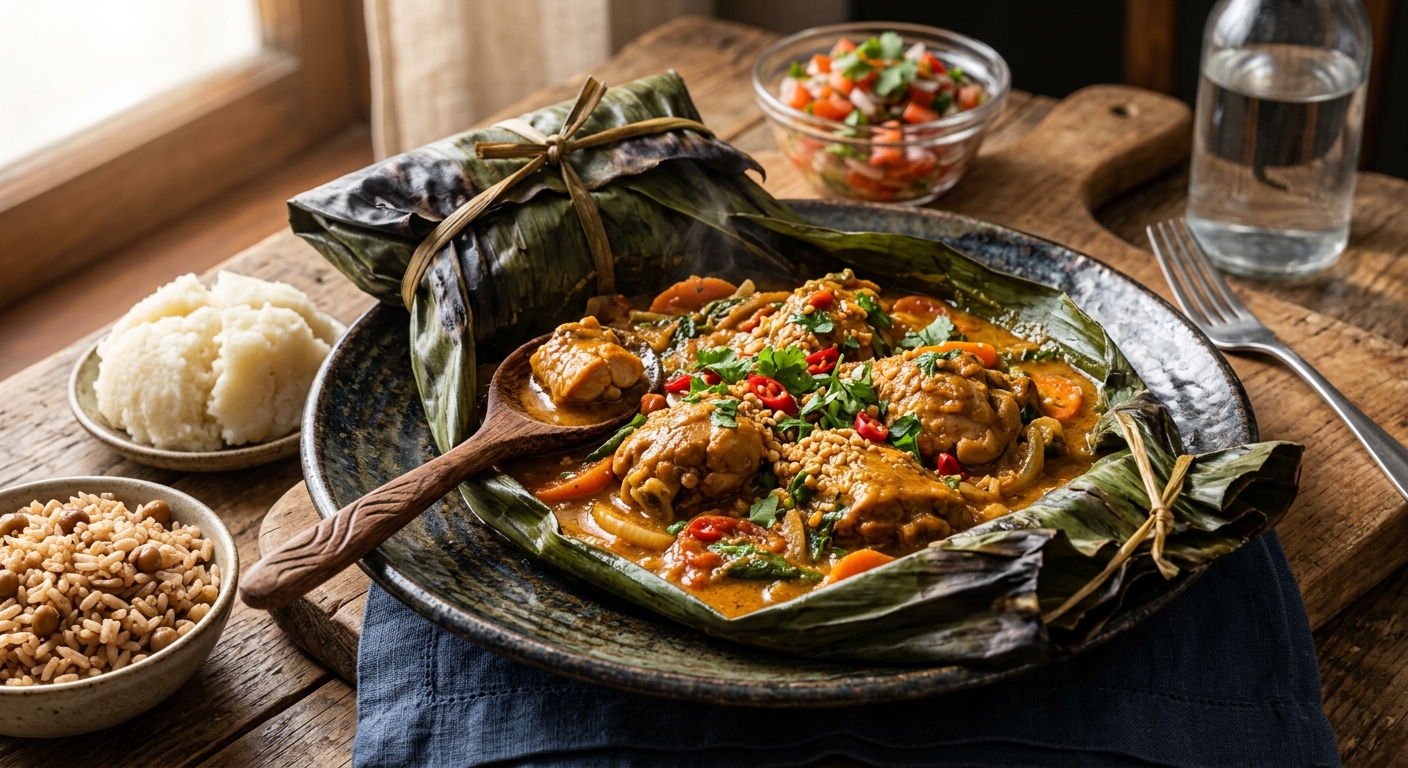
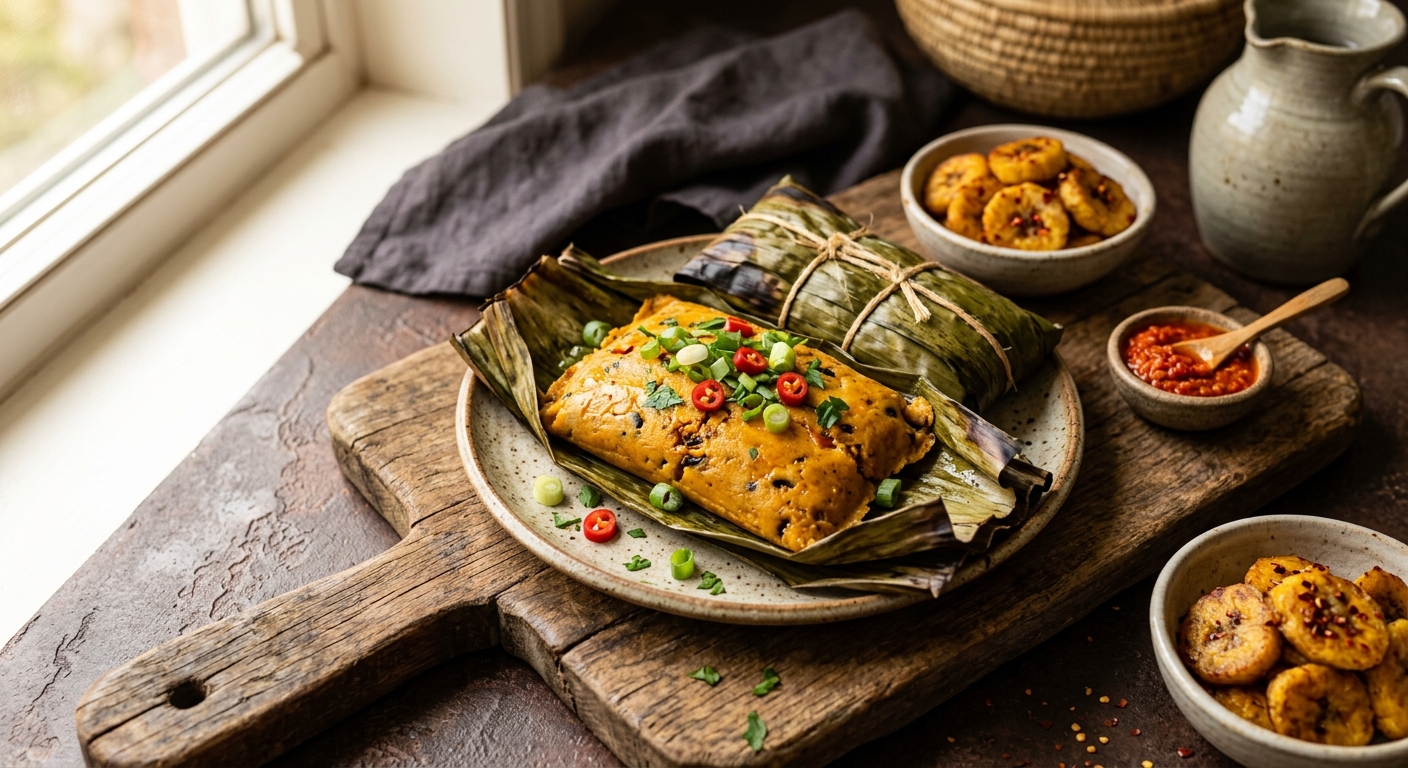
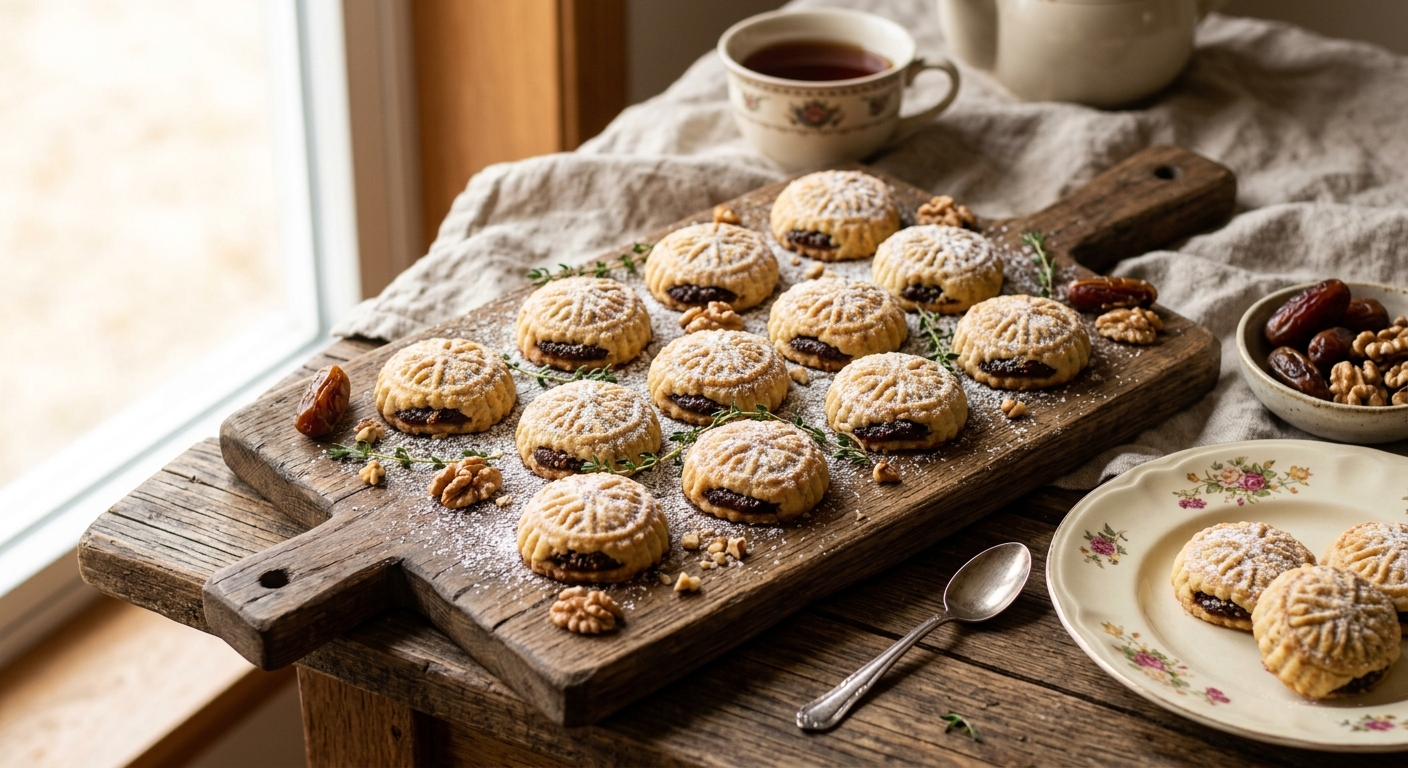
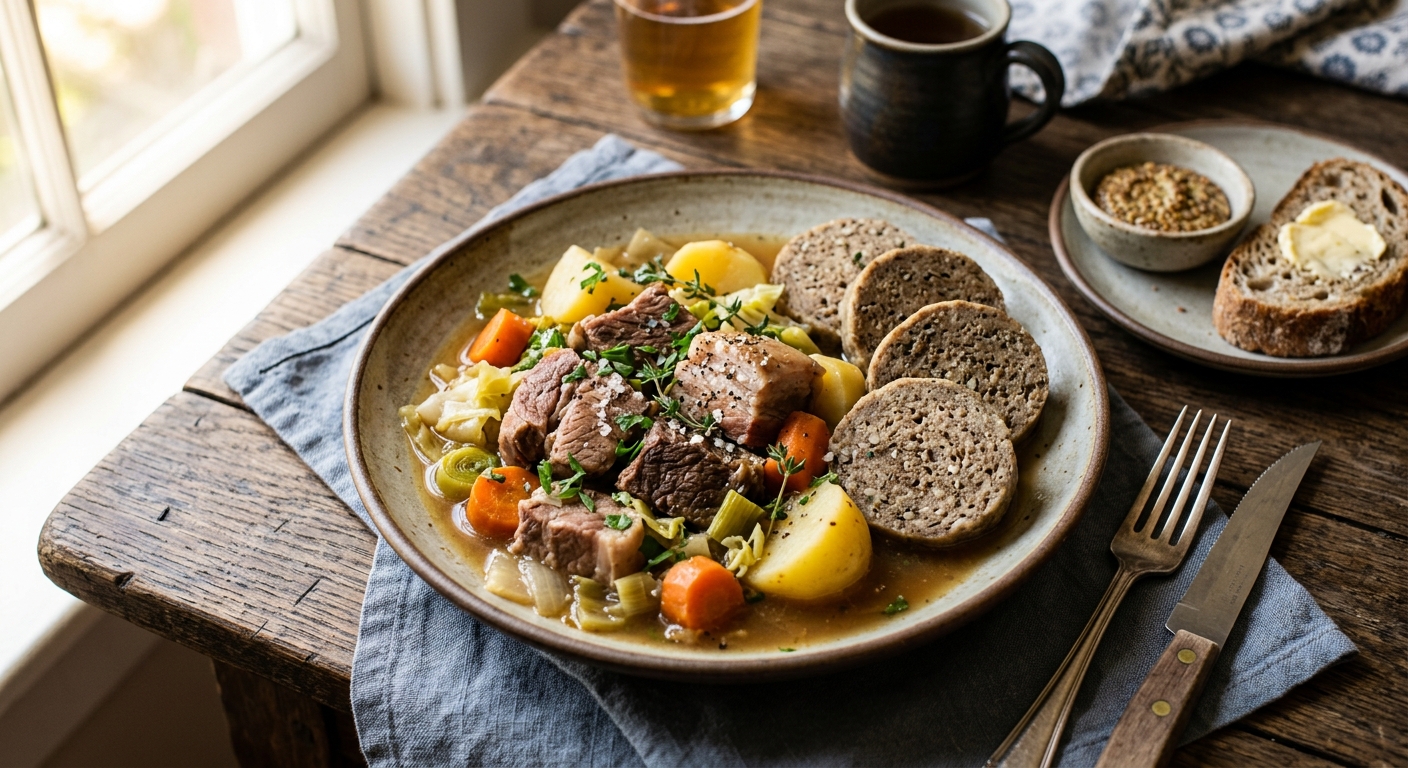
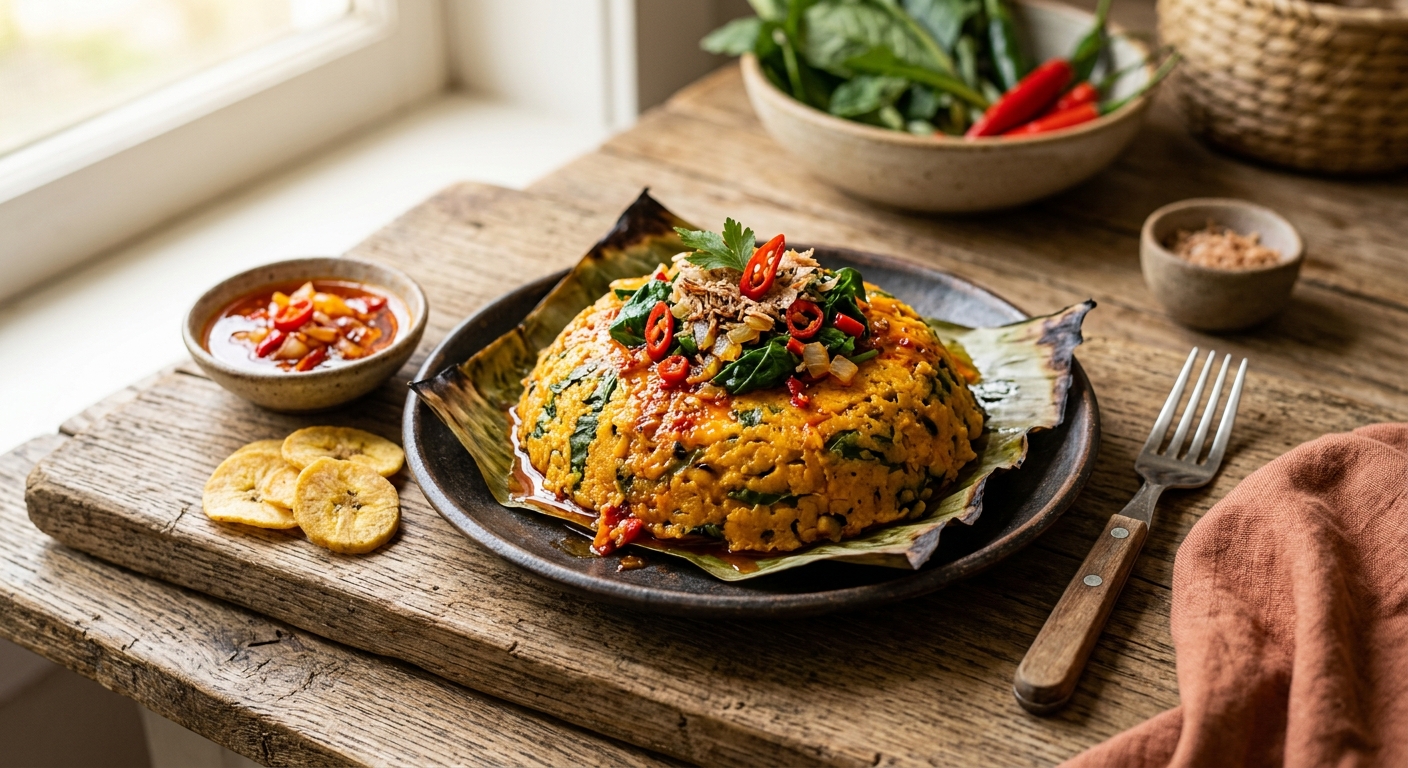
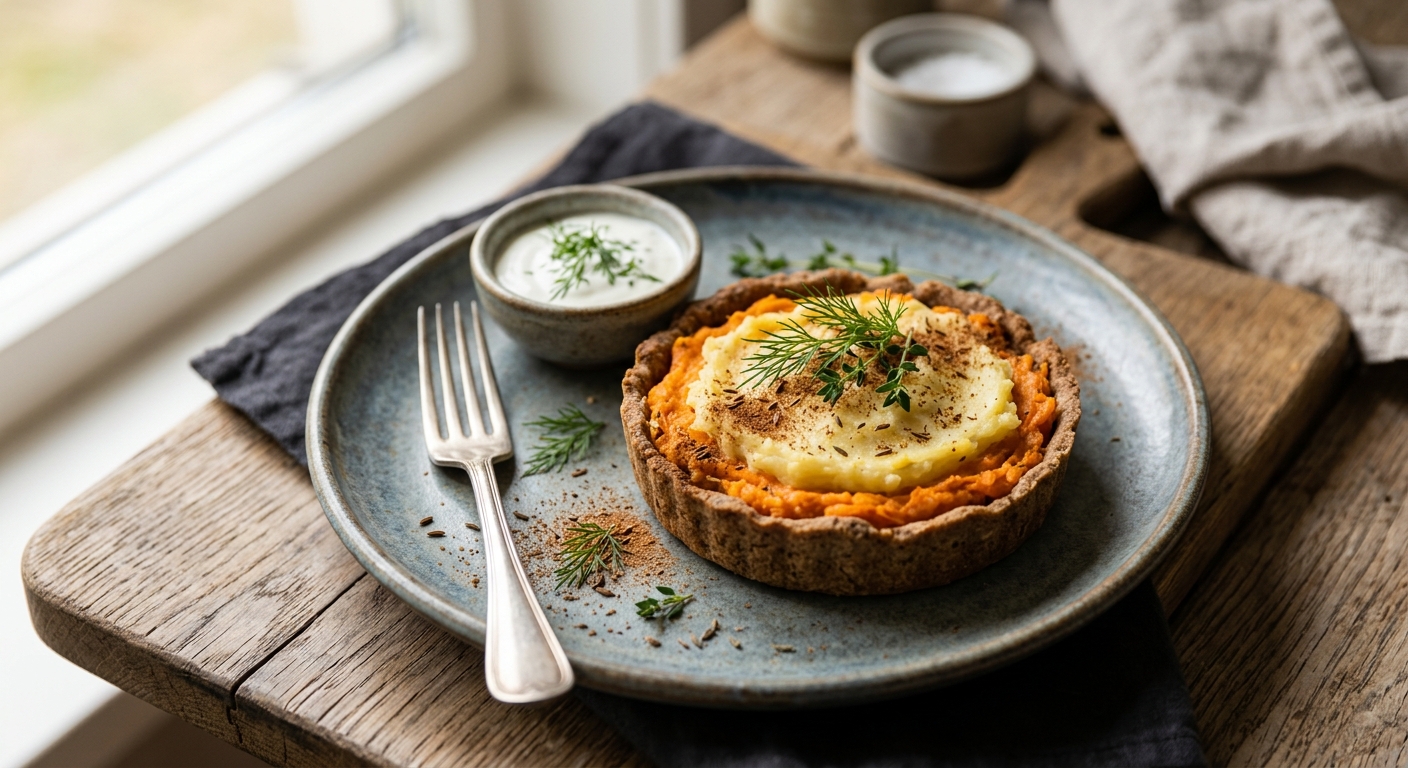
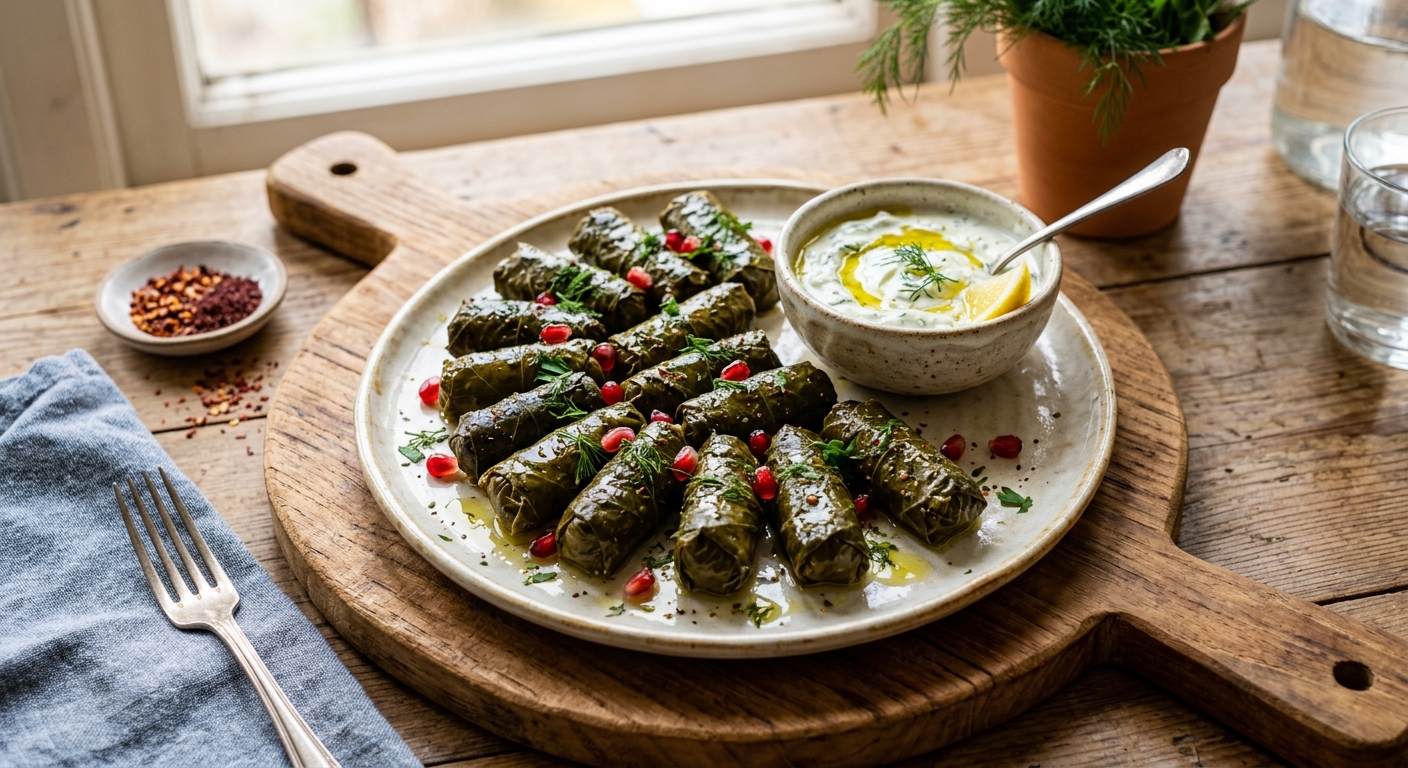
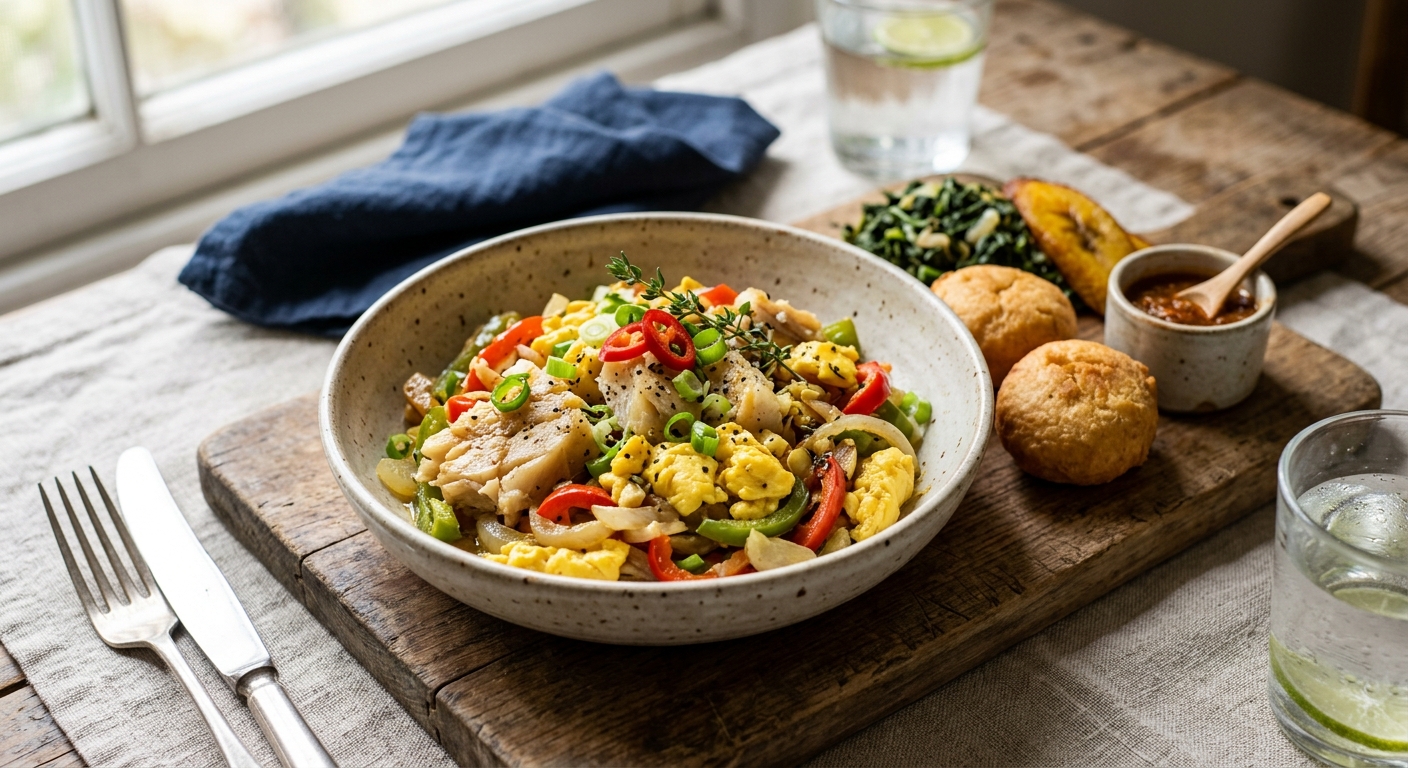
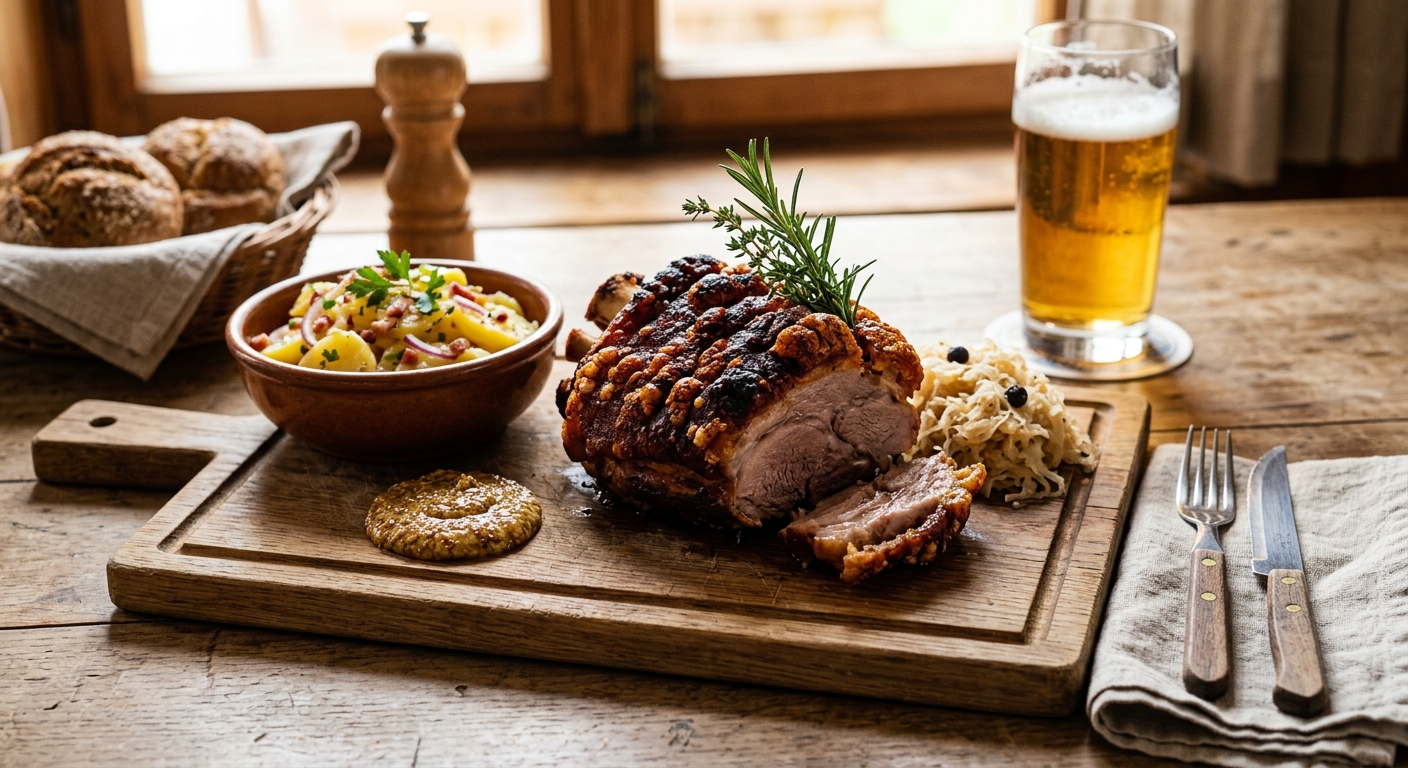
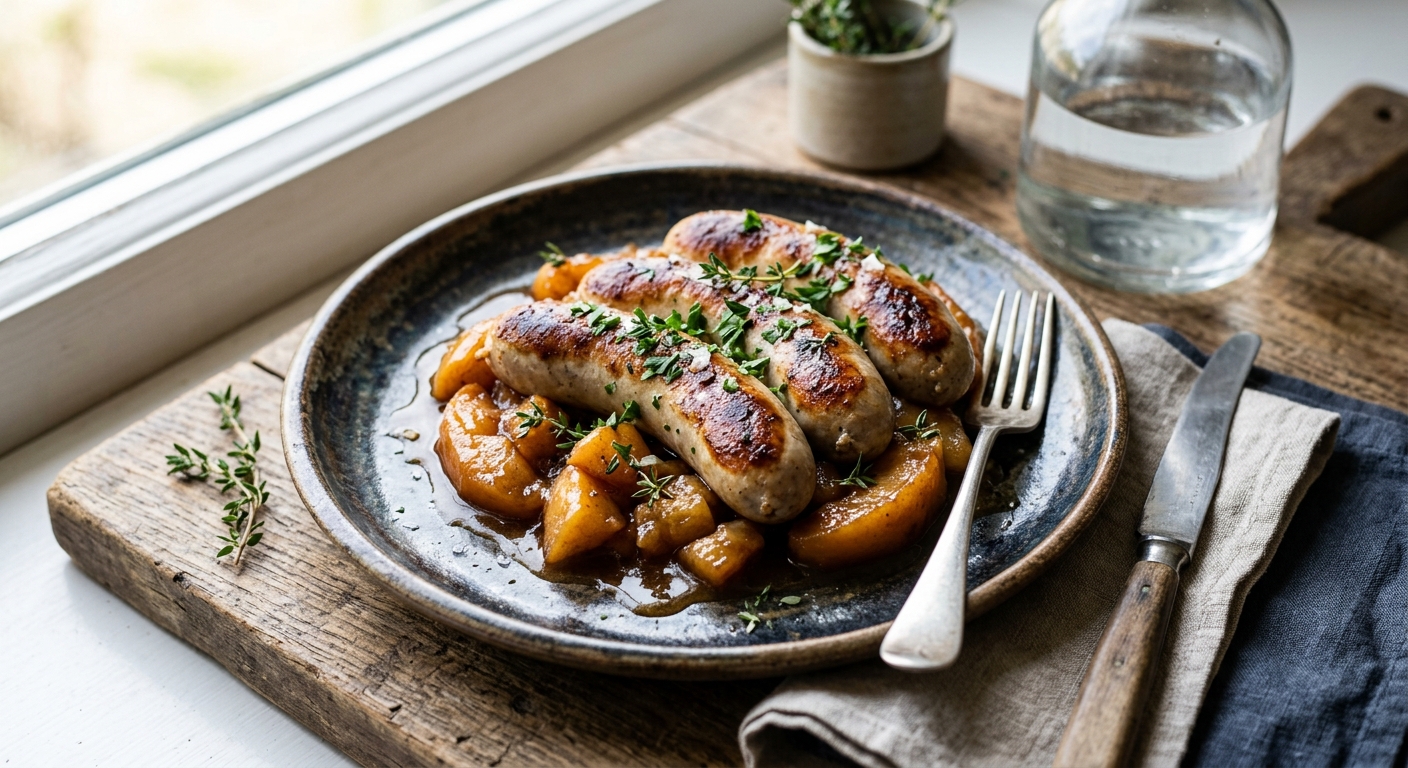
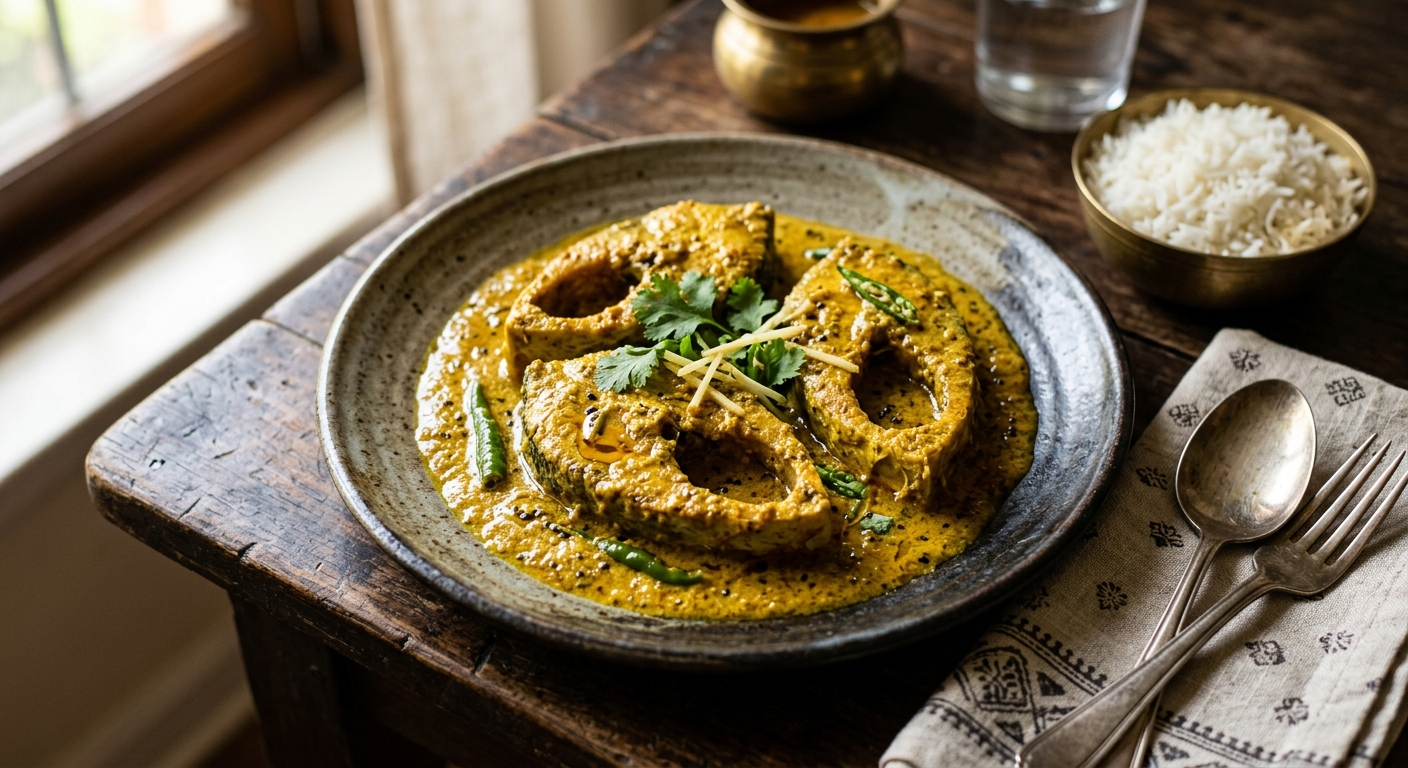
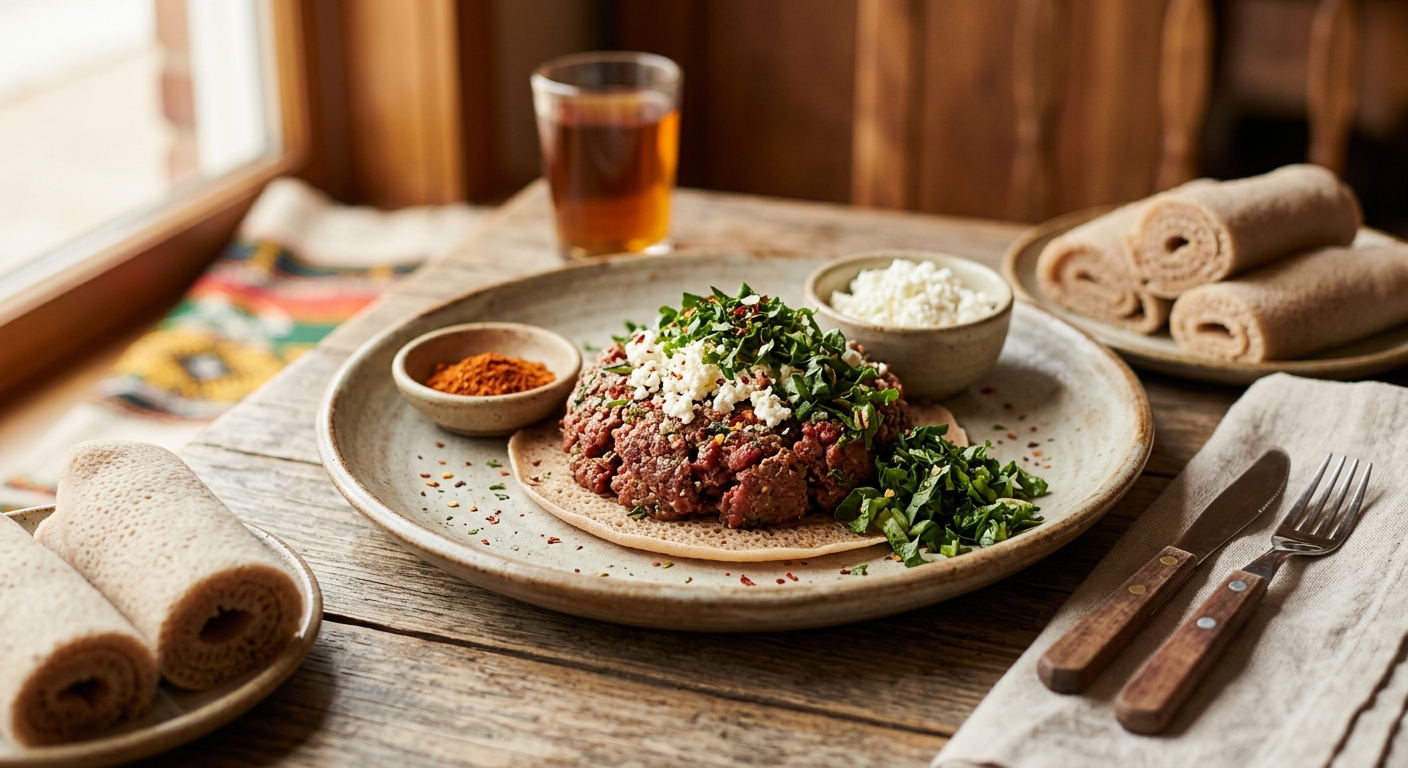
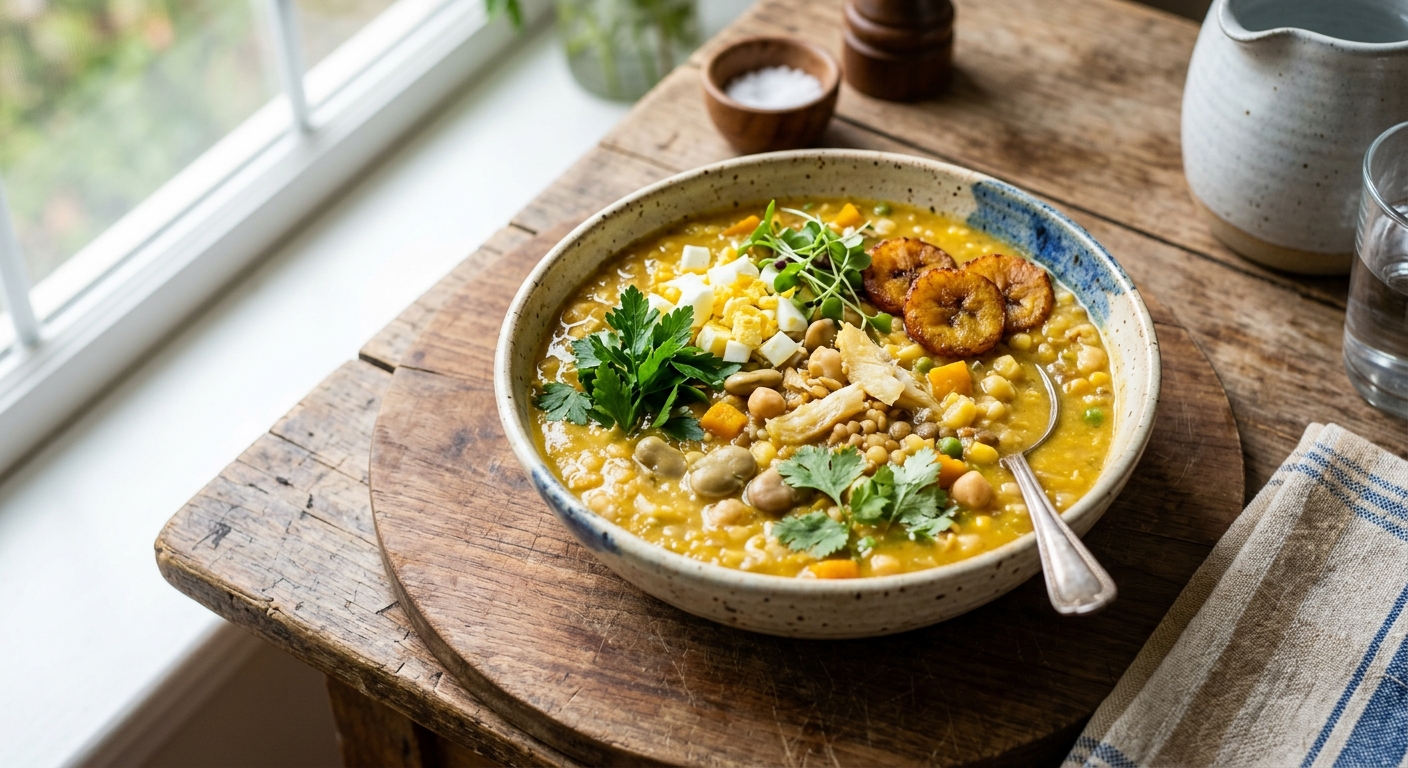
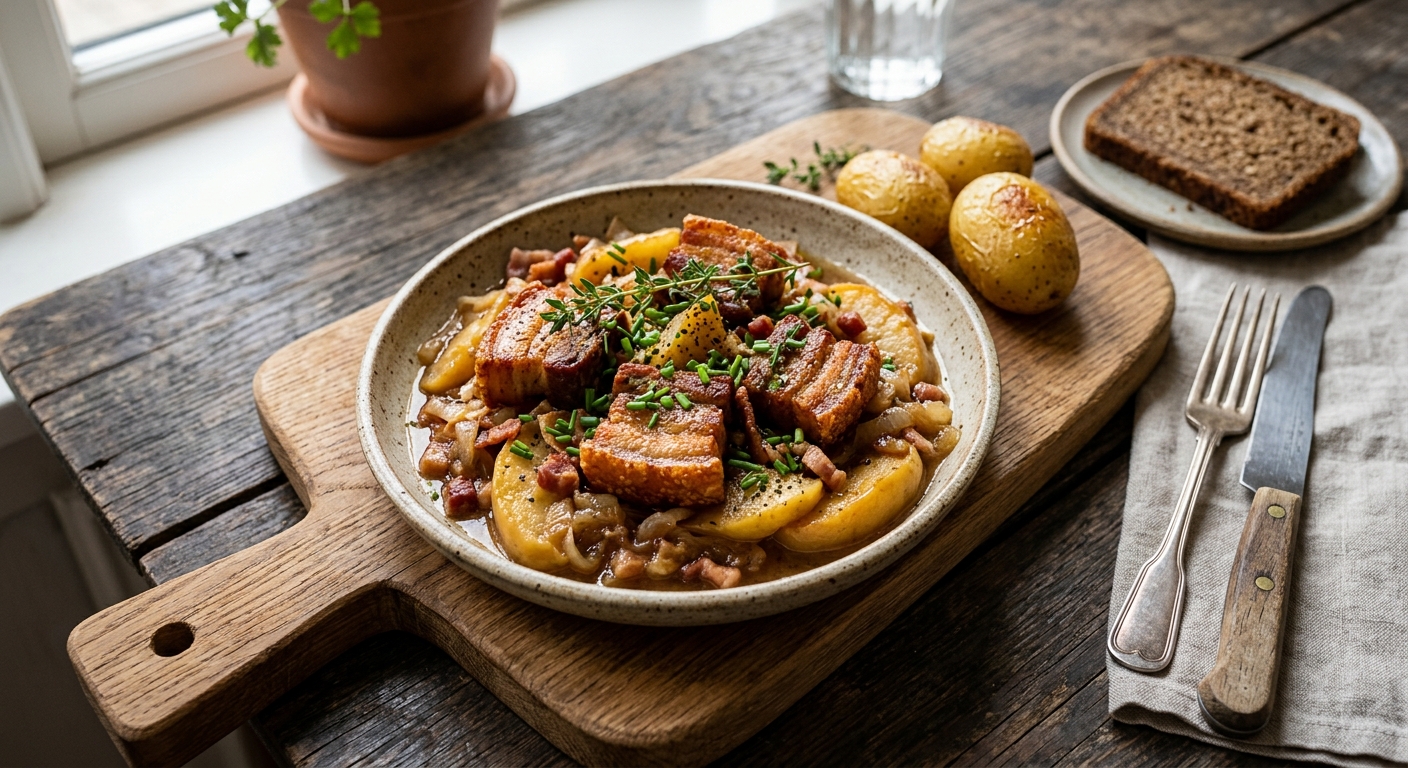
Traditional recipes carry the flavours and techniques that define a culture's culinary identity, passed down through generations in family kitchens across the world. These are the dishes that appear at celebrations and Sunday tables, from Danish Æbleflæsk to Ethiopian Kitfo, Ecuadorian Fanesca to Bengali Shorshe Ilish. Cooks reach for these time-honoured recipes when they want to connect with their heritage, mark special occasions, or simply share the authentic tastes of home. Every recipe here comes from real families who've preserved their culinary traditions, whether it's Bavarian Schweinshaxe, Latvian Sklandrausis, or Cameroonian Koki, keeping treasured food memories alive for future generations.
35 recipes preserved by Recipe Filer cooks. Free to read, free to share.

Traditional recipe questions
How can I adapt traditional recipes if I can't find authentic ingredients?
Look for similar alternatives with comparable flavour profiles and textures. Use online ethnic grocers for harder-to-find items, or consult recipe communities for proven substitutions. The key is maintaining the dish's essential character whilst working with what's locally available to you.
What's the best way to store leftover traditional dishes?
Most traditional dishes keep well refrigerated in airtight containers for 2-3 days. Many improve as flavours develop. Freeze portions for longer storage, though dishes with potatoes or dairy may suffer texture changes. Cool completely before refrigerating and reheat thoroughly before serving.
Why do traditional recipes often take longer to prepare than modern versions?
Traditional recipes frequently use slow-cooking methods, whole ingredients requiring preparation, and techniques developed before modern appliances. These time-intensive processes build deeper flavours and tenderise tougher cuts. The investment in time typically rewards you with superior taste and authentic texture.